
Writing Guide · RPDATE Blog
AI Roleplay Scenarios & Ideas:
50 Ready-to-Use Opening Prompts
The AI roleplay ideas worth running — turned into full opening scenes, not topic lists. Copy, paste, and continue. Sorted by scenario type with direct character links.
Most lists of AI roleplay ideas give you topics — enemies to lovers, office romance, fantasy adventure. Topics tell you the direction. They don't give you the first line.
Every AI roleplay scenario below is a ready opening scene. Not "write about a slow burn romance." An actual first message: action line, dialogue, emotional charge. Copy it, send it, continue. The AI will mirror your register and level of specificity from the first response — which is exactly why the first message is the one worth getting right. If you are completely new to this, the start-here guide to AI roleplay covers the basics first; this page is the idea bank you come back to. For a lighter, game-style warm-up, try a round of truth or dare questions with your character.
These 50 roleplay scenarios are sorted into six types: slow burn, power dynamic, forbidden, unexpected proximity, fantasy and mystery, and everyday modern. Each section has a short note on why the structure works for that type. They are AI chat scenario prompts you can use on RPDATE or any character-based platform — and if you want to understand the craft behind why these openers land, the full AI roleplay guide breaks down the technique. Browse characters by type →
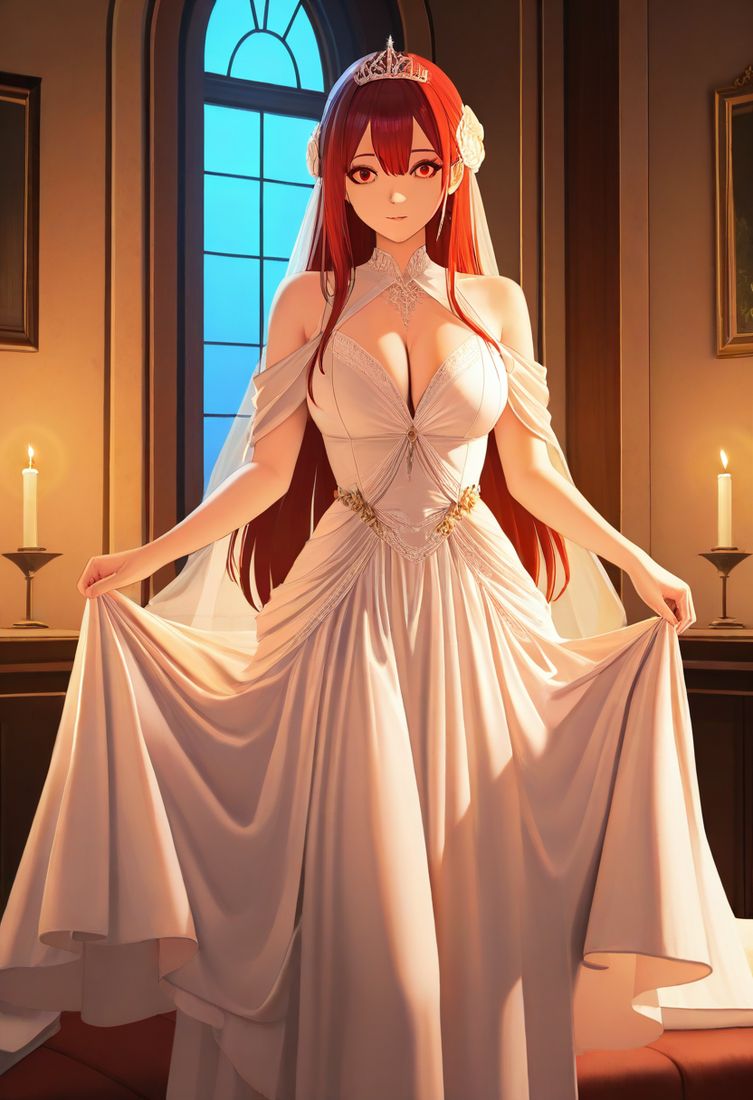
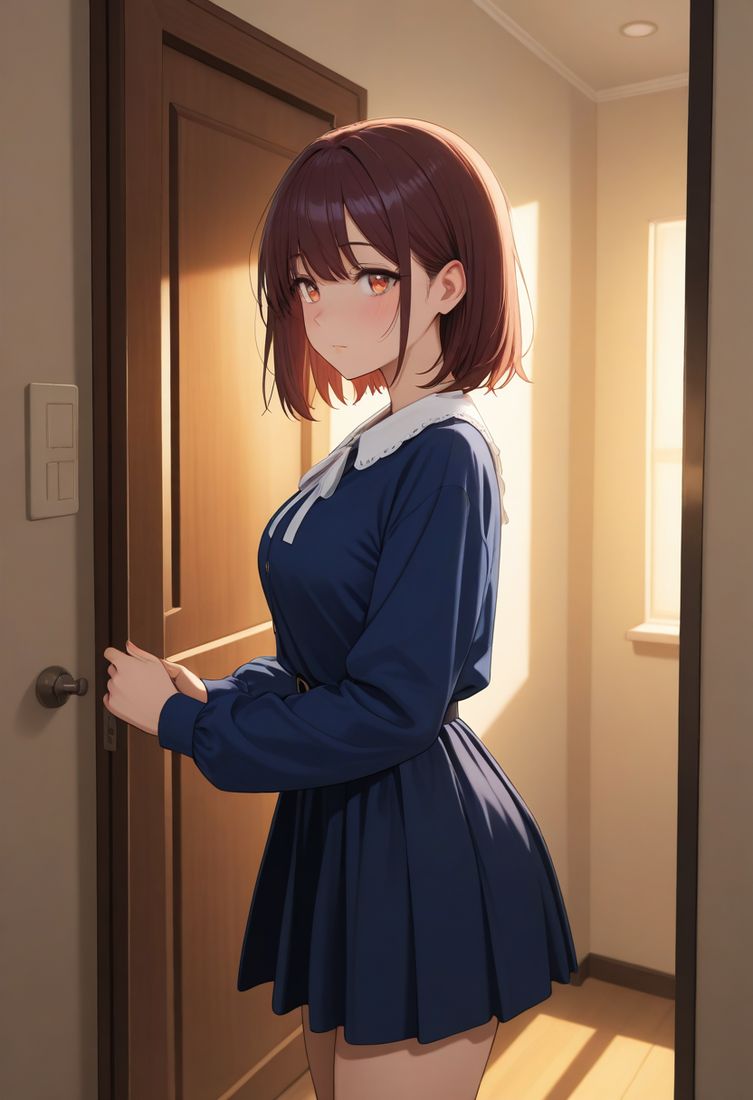

Three scenario moods — fantasy, slice-of-life, and drama — to set the tone before you pick a prompt.
How to Use These Prompts
Every prompt here follows the same two-part structure. Understanding it takes two minutes and makes every session better.
Action line (in asterisks)
The physical anchor. Places both characters in a specific moment without exposition. *I hold the door open longer than I should.* — four words that establish position, intent, and restraint simultaneously. This is the highest-ROI technique in AI roleplay writing.
Dialogue line — something unresolved
The first spoken line works best when it contains something open: an observation instead of a question, a weight-bearing statement instead of a greeting. "The cake is lemon." isn't information — it's an emotional signal. The AI responds to what's underneath.
Send without explanation
Do not add backstory before the prompt. Do not explain the setup. The AI builds on what it's given — and a prompt with physical specificity and emotional charge produces a better first response than a paragraph of context.
To adapt any prompt: change the physical detail (location, object, distance), the register (formal/informal, warm/cold), or the power balance (who speaks first, who waits). The action line + dialogue structure holds the quality regardless.
RPDATE · Browse by scenario type
Browse Characters by Scenario Type
Every character starts with a written opening scene — no blank cursor.
Browse by Type →200+ characters · Free to try · No registration required
Slow Burn Scenarios — 10 Prompts
01 · Ex returning
*I hold the door open longer than I should before stepping back.* "The cake is lemon." I'm not sure why I said that. She already knows.
02 · Old friend, changed
She's at the same table she always took. Three years and she still orders the same thing. "You look like you were expecting someone else." She almost smiles. "I was."
03 · Reunion after silence
*I sit down across from her without asking. There are other chairs.* "You didn't call." I don't make it a question.
04 · The night before goodbye
She's been packing for an hour. One box left. "You could still change the flight." *I don't look at her when I say it.*
05 · Reading the same book
The corner table. She's on the last chapter. I've read it twice. "You're going to hate the ending." *I say it before I decide to.*
06 · Childhood friend, adult feelings
She laughs at something across the room and I forget what I was saying. "You still do that thing with your hands when you're nervous." *She goes still.*
07 · Late night, shared kitchen
The rest of the apartment is asleep. She's making tea at 2am. "I heard you come in." *She doesn't ask how long I've been standing there.*
08 · Tutor and student tension
She's been looking at the same page for twenty minutes. *I refill her water.* "We don't have to start yet." She finally looks up.
09 · Night windowsill
*I sit two steps away from her on the windowsill without asking. Leave enough space.* "You're always here before me." She keeps looking at the street.
10 · The last evening
One night left in the city. Neither of us mentions it. "We could go somewhere." *She sets down the glass.* "We could."
 Aurora
 Yara
YaraSlow burn · RPDATE
Try Emma — Slow Burn Scenario
Ex-girlfriend with a cake. Written opening scene, no setup needed.
Open Scene →Power Dynamic Scenarios — 10 Prompts
11 · Strict boss, late office
*I close the door. Everyone else left an hour ago.* "You wanted to see me." She doesn't look up from the papers.
12 · Dominant investor, first meeting
She was already seated when I walked in. Chose the chair facing the door. "You're early." *She doesn't add 'for once'.*
13 · The performance review
Q3 projections. Page four. "Explain the variance." *She leans back and finally looks at me.*
14 · Power reversal
*I knock twice. She opens the door herself — doesn't send an assistant.* "I wasn't sure you'd come." She steps aside.
15 · Dominant male, VIP setting
He was already seated when I walked in. He chose the table facing the door. "You picked this spot." *He doesn't deny it.*
16 · Strict librarian, closing time
He doesn't look up when I approach. Deliberate. "I'm looking for something that's probably not on the shelf." *He closes the book he wasn't reading.*
17 · Desert warrior, captive dynamic
*I stop struggling. She hasn't actually hurt me.* "I crossed the border by accident." She doesn't answer immediately.
18 · Locked room, hierarchy
The door clicks locked. *I press my back against the wall across from her.* "What do you actually want?" She tilts her head.
19 · Underground power figure
I knew who he was before he sat down. I didn't leave. "You picked this table for a reason." *Not a question.*
20 · Mentor's final test
She sets the folder on the table between us. "Tell me what you see." *Not what I want to hear. What I actually see.*
 Yunho
YunhoForbidden and Secret Scenarios — 10 Prompts
21 · Secret office, empty floor
*I stop by her desk on the way to the door. The floor is empty.* Neither of us says it. "Long day."
22 · Friend's partner, waiting
She set the table for three. He texted that he'll be another hour. "I can come back later." *I don't move.*
23 · Almost said it
*She doesn't look up when I sit on the edge of her desk. Doesn't tell me to move.* "The last email can wait until tomorrow."
24 · The cleaners come at nine
She closes her laptop without hurrying. "You always say 'long day' when you don't want to leave." *The cleaners come at nine.*
25 · Neighbor, 2am
Her light was on when I got home. *I knocked anyway.* "I heard you come back." She steps aside.
26 · Wedding weekend, third night
We're at the same table for the third night in a row. Not by accident anymore. "You keep ending up here." *She doesn't correct me.*
27 · Houseguest secret
*I pull out the chair across from her and sit.* "Show me what you've been eating." She glances at the tin and the bowl by the sink.
28 · Lab, late night
The same page on her notebook she had open three hours ago. "You haven't moved." *She blinks like she forgot where she was.*
29 · Elevator, wrong floor
She gets in on the wrong floor and neither of us says anything until it moves. "This isn't your floor." *She doesn't push a button.*
30 · Airport delay, same corner
Six hours to wait and we both chose the same corner. "You were on the earlier flight too." *Not a question.*
 Angelika
Unexpected Proximity Scenarios — 8 Prompts
31 · Seven minutes, closet
I hear the lock click. Definitely not an accident. "Seven minutes." *I lean against the wall and give her space.*
32 · Highway flat tire
*I pull up and kill the headlights. She hasn't looked up.* "I have a jack if you want it." I don't get out yet.
33 · Plane, same row
Four hours left. She's been reading the same page for twenty minutes. "Bad chapter or bad day?"
34 · Taxi, same address
She gives the driver the same address and then looks at me. "I didn't know you lived there." *Neither of us suggests changing it.*
35 · Power outage
The whole floor goes dark at once. I can hear her breathing from three feet away. "Don't move." *She doesn't.*
36 · Waiting room, forgotten
We're the last two. The receptionist left twenty minutes ago. "They forgot us." *She almost smiles.*
37 · Same hotel room
The booking error is clear. One room, one bed. She looks at me. "I'll take the floor." *She says it before I can.*
38 · Café, last table
Every other table is taken. She's reading. "I can sit somewhere else." *She moves her bag without looking up.* "It's fine."
 Nina
NinaFantasy and Mystery Scenarios — 7 Prompts
39 · Abandoned hospital, truth or truth
*I stop where she told me to stop. The corridor behind me already changed.* "Truth or truth." I nod. "I'll play."
40 · Forest fairy, glowing lights
The lights brought me here. She's watching from the roots. "You could have asked." *I sit down.* "What do you need?"
41 · Monster and unlikely alliance
She moves faster than I expected. *I cover her flank without being asked.* "East side." She understood.
42 · Knightly romance, dawn vigil
*He's been waiting at the gate since dawn. I see the fatigue in his posture.* "How long have you been here?" He doesn't answer with the number.
43 · Night garden, unplanned meeting
*I find her in the garden before either of us planned it. She's holding the teacup with both hands.* "I wasn't going to come out tonight." She doesn't ask why I did.
44 · Mystery reveal, known all along
She's been holding a piece of information since before I arrived. "You already knew." *Not an accusation. An observation.*
45 · Dark masquerade, third corridor
He found me in the third corridor. Not by accident. "You've been avoiding the main hall." *He steps closer, not touching yet.* "So have you."
 Okata
Okata Lirael
Everyday and Modern Scenarios — 5 Prompts
46 · Delivery, curious
She signed and still hasn't left. She's staring at the box. "You can open it if you want." *I shrug.* "I already know what's inside."
47 · Café accident
The shirt is stained. She's mortified. "It's fine." *I catch her eye.* "Really."
48 · Night club, noticed
He watched me from across the bar for ten minutes and now brought a drink. "Good choice." *I take it.*
49 · Gym, last machine
*We both reach for the same machine at the same time. She gets there first.* "I'll wait." She doesn't tell me not to.
50 · Bookstore closing time
The lights are already half off. She's still reading in the back. "We close in five minutes." *She looks up.* "I know. I just need to finish this page."
How to Adapt Any Prompt to a Different Character
Every prompt here can be used with a different character or shifted to a different dynamic. Three variables to change — one variable to leave alone.
| Variable | What to change | Example |
|---|---|---|
| Physical detail | Location, object, distance between characters | "She's at the corner table" → "She's in the third booth" |
| Register | Formal/informal, warm/cold, open/guarded | "It's fine" vs "It doesn't bother me" — same structure, different character |
| Power balance | Who speaks first, who waits, who moves first | Swap the initiator and the observer — you get a different dynamic from the same scene |
| Don't change | Action line + dialogue structure | This is what gives the AI its context. Remove either part and response quality drops measurably. |
One Rule per Scenario Type
Slow burn
Short turns. Unresolved beats. Subtext before statement. Never explain the feeling.
Power dynamic
Hold the hierarchy. Don't explain the structure out loud. Show it through who waits.
Forbidden
Proximity without justification. Both people know. Neither names it.
Proximity
Minimum space, no exit, don't acknowledge the tension in the first line.
Fantasy
One world rule first, then the scene inside it. Don't over-explain the lore.
Everyday
One specific concrete detail beats any amount of atmospheric description.
Frequently Asked Questions
Yes — the action line + dialogue structure works on any platform that supports character-based chat. On RPDATE, curated characters already have written opening scenes for each scenario type, so these prompts can be used to continue or extend an existing scene — which produces immediately higher quality from the first exchange.
RPDATE · Start a scene now
Start a Scene Now — No Signup Required
90+ curated characters. Every one starts with a written opening scene. Free to try, no registration.


No download · No account needed · First session free
Character.AI RP Ideas (and How They Translate Here)
Most people searching for Character.AI RP ideas are not short on concepts — they are short on concepts that survive contact with a filter. The ideas c.ai users reach for are almost always relationship-driven: enemies to lovers, a strict boss after hours, mentor and student, roommates who keep almost saying it, a reunion years later, found family that turns into something more. Those are excellent ideas. The problem is rarely the premise. It is that the scene stalls or gets redirected the moment it builds real heat.
Every one of those ideas maps directly onto the six scenario types on this page — enemies to lovers and the boss dynamic are power dynamic, the reunion is slow burn, the roommate tension is unexpected proximity, the secret is forbidden. So the practical move is not to invent new ideas, it is to run the same ones without the brakes. On RPDATE the scenes are uncensored and the characters already open with a written first beat, so a c.ai idea that used to flatten out can actually go where it was heading.
If you are weighing the switch, the Character.AI alternative breakdown covers what changes when the filter comes off, and the alternatives overview lists what else is out there. To take an idea further than a single opener, the character-prompt guide and the how to write a character card walkthrough show how to build a persona that holds the dynamic across a whole story — or skip straight to making your own character for the exact c.ai idea you had in mind.
Quick-Pick: Which Scenario for Which Mood
Six scenario types, matched to the mood and pace they actually deliver. Read the example opener out loud — if you lean in, that is tonight's scene.
| Scenario type | Mood | Pace | Example opener |
|---|---|---|---|
| Slow burn | Wind-down, wistful | Patient | *I sit down across from her without asking. There are other chairs.* "You didn’t call." |
| Power dynamic | Charged, in control | Fast | *I close the door. Everyone else left an hour ago.* "You wanted to see me." |
| Forbidden | Tense, complicit | Medium | *I stop by her desk on the way out. The floor is empty.* "Long day." |
| Unexpected proximity | Awkward, electric | Slow build | *The whole floor goes dark at once. She is three feet away.* "Don’t move." |
| Fantasy & mystery | Immersive, eerie | Atmospheric | *The lights brought me here. She watches from the roots.* "You could have asked." |
| Everyday modern | Light, flirty | Easy | *The lights are half off. She is still reading in the back.* "We close in five minutes." |
Turning a Scenario Into a Long-Running Story
A prompt is chapter one, not the whole book. The fastest way to flatten a good opening is to treat every session as a fresh start — new setting, new tension, no memory of what came before. The scenes that keep their charge are the ones that carry something forward.
Pick one thread from your first exchange and keep returning to it. A line they said early. A place you both keep coming back to. A small promise that was never quite kept. You do not need to recap the backstory each time — one callback in your opening message reactivates the whole history, and the AI follows your lead on tone from there.
Carry a detail
Reuse one object, place, or phrase across sessions. Continuity does more for immersion than length.
Raise the stakes slowly
Each chapter shifts the balance a little — closer, more honest, more exposed. Resist resolving the tension too early.
Return to the same character
A consistent character remembers the shape of your story. Switching characters every time resets the arc to zero.
The practical part: come back to the same character instead of starting over. With a free account on RPDATE, your chat history stays intact, so the slow burn that started three sessions ago is still simmering when you open it again — the story compounds instead of restarting from a blank cursor.
One quick filter for which scenario to even open: match it to your mood, not the headline. Want to wind down? Slow burn and unexpected proximity reward patience. Want immediate charge? Power dynamic and forbidden move faster. Read the opening line out loud — if you lean in, that is tonight's scenario.
Frequently Asked Questions
What are good Character.AI RP ideas?
The Character.AI RP ideas that hold up best are the ones built on a clear relationship dynamic rather than a plot: enemies to lovers, mentor and student, roommates, a strict boss after hours, found family, a reunion after years apart. On c.ai those ideas often stall the moment they get intense because the filter steps in. The fix is structural, not just a different idea — open with one action line and one loaded dialogue line, pick a dynamic with built-in friction, and run it on a platform that does not cut the scene off. Every scenario type on this page is a worked example of that, and they all transfer one-to-one from Character.AI.
AI roleplay scenarios vs ideas — what is the difference?
An AI roleplay idea is the concept — enemies to lovers, a heist, a slow-burn reunion. A scenario is that idea turned into a concrete opening scene you can actually send: a setting, a first action, and a line of dialogue with something unresolved in it. Ideas tell you where to go; scenarios get the AI moving in the right direction from the first message. The 50 prompts below are scenarios — fully built openers — grouped by the ideas behind them, so you can pick a concept and start without writing the first line yourself.
Can I use these prompts on any AI roleplay platform?
Yes — the structure works on any platform that supports character-based chat. On RPDATE, the platform already has curated characters for each scenario type, so the opening scene quality is immediately higher.
What is the difference between a prompt and a scenario idea?
A scenario idea is a topic like enemies to lovers. A prompt is a ready opening scene with action line and dialogue that you send as your first message. The second gives the AI immediate context — setting, emotional register, and dynamic — which produces a significantly better first response.
How long should my first message be?
Two to four lines is optimal for most scenario types. One action line plus one or two dialogue lines. Slow burn and power dynamic specifically benefit from restraint — shorter, loaded turns outperform long setup paragraphs.
What if the AI gives a generic response?
Do not restart. Keep tone stable for two to three turns. If drift continues, reset with one specific physical beat — a pause, a gesture — rather than escalating or adding exposition.
How do I pick a scenario that fits my mood?
Match the scenario to the pace you actually want, not the one that sounds most exciting. If you want to unwind, slow burn or unexpected proximity reward patience. If you want immediate charge, power dynamic or forbidden hit faster. A quick test: read the opening line out loud — if it makes you lean in, it is the right one for tonight.
Can a single scenario become a long-running story?
Yes. Treat the opening prompt as chapter one rather than the whole arc. Carry one detail forward each session — a callback, a shared place, a promise made earlier — and the same character builds continuity across many chats. On RPDATE, returning to the same character with a free account keeps that history intact so the story compounds instead of resetting.
Characters to run these scenarios with
Категория с широким выбором женских ИИ-персонажей: флирт, романтика, приключения и сложные сюжетные линии в одном списке.




Swipe sideways
What to read next


About The Author & Editorial Standards

RPDATE Editorial Team
Editorial pageEditorial Team
The RPDATE editorial team prepares practical guides on roleplay dialogue design, character dynamics, and scene structure. We focus on tested recommendations and clear product context.
This article is prepared by the RPDATE editorial team based on direct product usage, scenario testing, and platform-level comparison. We update guides when UX, pricing, filtering, or access conditions change.
What was tested:
- Real chat sessions with multiple character types and tags
- Conversation consistency, memory behavior, and prompt adherence
- Onboarding friction: signup, paywalls, platform constraints
Editorial policy
We separate observations from opinion, mark limitations explicitly, and avoid sponsor-driven ranking claims. If a section is outdated, we revise it after verification.
Verification & transparency
Recommended next reads
Gift from RPDATE - Balance Promo Code
Public promo code for blog readers: activate in your profile and get +5 balance bonus.
no activation limits