What is a femboy? Meaning, aesthetic and anime archetypes
Short version: a femboy is a boy with a soft, androgynous, feminine-leaning style — it is about fashion, not orientation. Here is the full picture: where the word comes from, how it differs from “trap” and “otokonoko,” the aesthetic itself, the anime characters everyone points to, and how to roleplay androgynous characters with AI.
Explore the style ↓
In short
A femboy is a boy or young man with an androgynous, feminine aesthetic — soft features, feminine fashion, sometimes makeup. The term is about style and self-expression, not sexual orientation or gender identity; anyone can present as a femboy.
You have probably seen the word in a comment section, a character tag, or a fashion post and wondered what exactly it means. The short answer is simple: a femboy is a boy or young man who embraces a soft, androgynous, conventionally feminine style. Thigh-high socks, oversized hoodies, pastel colours, painted nails — that whole vibe.
The part that gets misunderstood most often is what the word does not mean. It is not a statement about who someone is attracted to, and it is not the same thing as being transgender. It describes a look and a way of presenting — full stop. Plenty of people wear the label happily, and the kindest approach is always to follow each person’s lead on the words they use for themselves.
Below we will walk through the meaning, the origin of the term, how it compares to neighbouring words like “trap” and “otokonoko,” the aesthetic in detail, the anime archetypes fans always cite, and finally how the whole thing connects to roleplaying androgynous characters with an AI character.
A boy with an androgynous, feminine-leaning look
At its simplest, “femboy” describes a boy or young man who leans into a soft, androgynous, conventionally feminine style — clothes, hair, the whole presentation. It is a vibe and a fashion lane, not a statement about who someone is attracted to. Plenty of people use it about themselves with pride; the kind thing is to follow each person’s lead on the words they pick.
Style explorer
Pick a vibe → the card rebuildsPastel soft boy
Cosy, sweet and low-key — the everyday femboy look.
Wardrobe staples
- ◦Oversized hoodie
- ◦Thigh-high socks
- ◦Pleated mini skirt
- ◦Chunky sneakers
Palette
Dial: Cosy / casual
Just for fun — styles are reference points, not rules. Wear what feels like you.
What “femboy” actually means

Break the word down and it explains itself: “feminine” plus “boy.” A femboy is someone who identifies as male and chooses a feminine-leaning presentation — in their clothes, hair, mannerisms and overall styling. It sits in the same family as words like “tomboy,” just pointing the other direction.
The crucial nuance is that it is a description of aesthetic, not of identity or orientation. A femboy is still a boy; he simply presents softly. Who he dates, how he identifies, what he does for a living — none of that is bundled into the word. Treating the term as a style category, not a label for a person’s private life, is what keeps it respectful.
That distinction matters because the internet loves to collapse style and identity into one thing. They are separate. Someone can love the aesthetic for purely creative or fashion reasons, the same way anyone else picks a wardrobe that feels like them.
Where the word came from
“Femboy” is a portmanteau — “feminine” fused with “boy” — and it grew up online. The word drifted around forums, imageboards and early social platforms for years before breaking into the mainstream. What pushed it over the edge was the rise of soft e-boy and e-girl fashion in the late 2010s, when pastel hair, thigh-highs and layered jewellery became a recognisable aesthetic across TikTok, Tumblr and Reddit.
Anime fandom did a lot of the heavy lifting too. For decades, Japanese manga and games featured strikingly feminine male characters, and English-speaking fans needed a word for them. “Femboy” filled that gap on the Western side, while Japan already had its own neutral term, “otokonoko,” which we will get to shortly.
Today the word is firmly part of everyday internet vocabulary — used in fashion communities, fandom tags and casual conversation alike. Like a lot of subculture language, it travelled from niche corners to the mainstream faster than most people noticed.
Femboy vs trap vs otokonoko
These three words orbit the same idea, but they are not interchangeable, and choosing the right one is mostly a matter of respect. “Femboy” is the broad, friendly umbrella. “Otokonoko” is the neutral Japanese term for feminine male characters. “Trap” is older slang that many people now find dated or rude. Here is how they line up.
| 🎀 Femboy | 🇯🇵 Otokonoko | ⚠️ Trap | |
|---|---|---|---|
| What it is | Broad aesthetic umbrella | Japanese fandom term | Older internet slang |
| Tone | Neutral to positive | Neutral, descriptive | Often seen as dated / rude |
| Origin | “Feminine” + “boy” | Manga, anime, games | Early imageboard culture |
| Refers to | A boy with a feminine style | Feminine male characters | A feminine-presenting boy |
| Best used when | Almost always — the safe default | Talking about JP characters | Generally better avoided |

The practical takeaway: when in doubt, say “femboy.” It is the term most people are comfortable with, it carries no built-in insult, and it keeps the focus on style rather than making assumptions about anyone. Reach for “otokonoko” when you are specifically talking about Japanese characters, and you can comfortably retire “trap” altogether.
The femboy aesthetic, piece by piece
There is no rulebook, but the look has a recognisable toolkit. It borrows from streetwear, e-boy fashion, lolita and idol styling, and the common thread is softness with a wink of playfulness. Here are the four building blocks you will spot again and again.
🧥Soft layers
Oversized hoodies, cardigans and chunky knits do the heavy lifting. The silhouette stays soft and a little roomy on top, often paired with something fitted below.
🧦Thigh-highs & skirts
The single most associated combo: thigh-high socks with shorts or a pleated skirt. It is the shorthand the whole look is built around.
🎨Pastel palette
Cotton pinks, soft lilacs, sky blues and creams. Even the edgier e-boy takes usually keep one soft accent colour in the mix.
💅Finishing touches
Painted nails, layered necklaces and rings, styled or dyed hair, the occasional ribbon or choker. The details are where a look gets personal.


The same person can sit anywhere on that spectrum from day to day — comfy hoodie one afternoon, full gothic-lolita layers the next. That flexibility is part of the appeal. It is less a costume and more a palette to play with, which is exactly why the style explorer above lets you mix and match vibes.
Famous anime archetypes
A big part of why the look is so recognisable is anime. Certain characters became the visual shorthand for it — so much so that fans will describe a real-world outfit as “very Astolfo.” It is worth saying clearly: these are fictional design archetypes, reference points that crystallised the silhouette in fan culture, not a checklist anyone has to match.

Astolfo · Fate/Apocrypha
The poster child. Long braided pink hair, ribbons, boundless cheer — the design most people picture first.
Felix Argyle · Re:Zero
A knight in a cat-eared, dress-leaning outfit. Endlessly cited as a go-to reference for the look.
Hideri Kanzaki · Blend S
An aspiring idol whose whole arc plays with a flawless feminine presentation. A comedy-side archetype.
These designs did something interesting: they made a feminine male character feel aspirational and fun rather than a punchline, which helped the broader aesthetic find a warm, accepting audience. If you have ever seen the look celebrated at a convention or in a cosplay feed, these characters are a big reason why.
A quick note on respect
Because the word brushes up against identity, a little care goes a long way. Two simple principles cover almost everything: do not assume someone’s gender or orientation from their style, and use the words a person chooses for themselves. Style is self-expression; it is not a coded announcement about anyone’s private life.
Used genuinely, “femboy” is a celebratory, self-chosen label for a lot of people. The aesthetic is about confidence and creativity — wearing what feels right regardless of the usual expectations. That is the spirit worth carrying into any conversation about it.
Roleplay an androgynous character
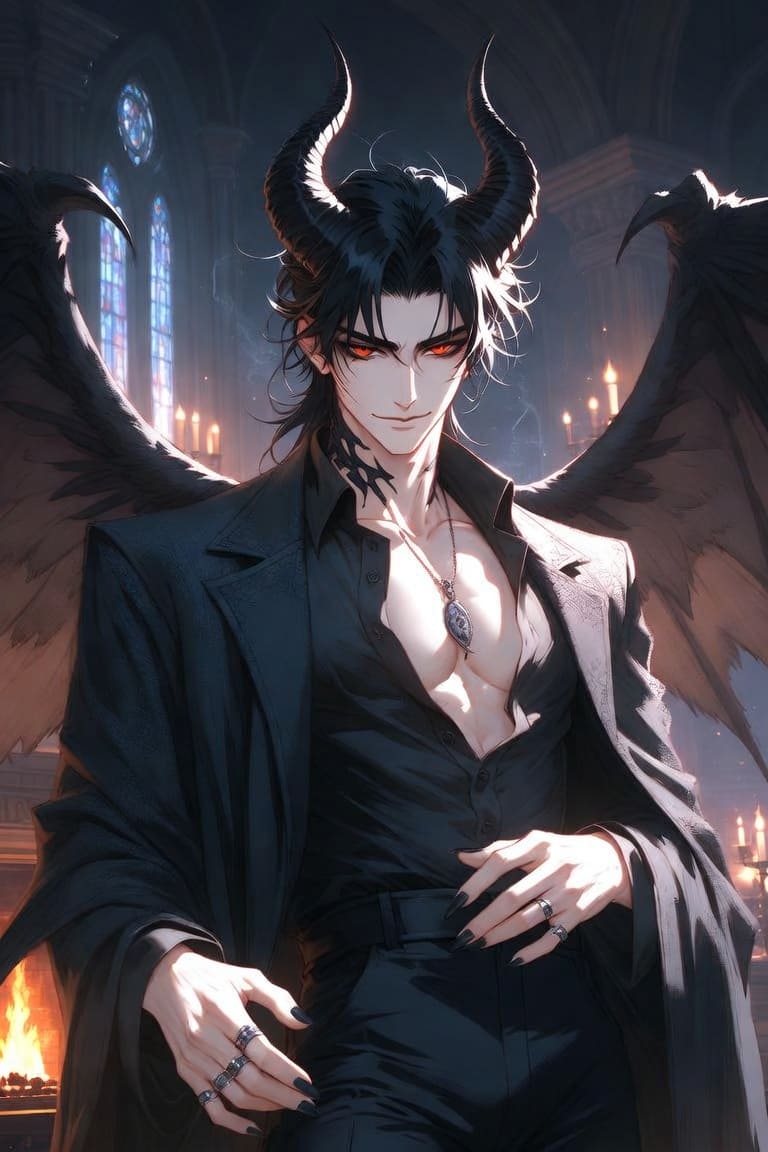
Категория мужских ИИ-персонажей: от заботливых и романтичных до жёстких и доминирующих. Можно подобрать характер под нужный формат сюжета.


Swipe sideways
Roleplay an androgynous character with AI
Reading about an aesthetic is one thing; stepping into a story with it is another. If the bishonen, soft-androgynous archetype appeals to you, the natural next move is to play a scene with a character built around it — a witty exchange, a slow-burn romance, a fashion-swap storyline, a cosy slice-of-life beat. You decide the tone.
On rpdate you pick the character, set the opening, and drive the scene with your own lines, like a co-writer. The AI plays the other side — it picks up your cues, stays in voice and keeps the personality consistent. Want something light and sweet? Keep it gentle. Want more intensity? A mature mode is there if you choose it, and off if you do not.
It is an easy, low-pressure way to explore the archetype as a living story rather than a static reference image — and to find the exact dynamic you enjoy.
Meet an androgynous character
Pick a soft, bishonen-style character and start a scene — banter, slow-burn or slice-of-life, you set the pace.
Browse male characters →free · in English · mature mode optional
Frequently asked questions
What does “femboy” mean in simple terms?+
A femboy is a boy or young man who leans into a soft, androgynous, conventionally feminine style — the clothes, the hair, the overall presentation. The key thing to understand is that it describes an aesthetic and a way of dressing, not who someone is attracted to or how they identify. Many people use the word about themselves with pride. It is a look and a vibe first and foremost.
Is being a femboy about sexuality or gender?+
Not inherently. “Femboy” describes a presentation — a feminine-leaning aesthetic on someone who identifies as a boy or man. People of any orientation can have that style, and it says nothing automatic about who they date. It is also distinct from being transgender: a femboy still identifies as male, they just present in a softer, more androgynous way. As always, the respectful move is to let each person describe themselves in their own words.
Where does the word “femboy” come from?+
It is a straightforward blend of “feminine” and “boy.” The term has floated around internet subcultures for years and gained real traction through anime fandom, fashion communities and platforms like TikTok, Tumblr and Reddit. As soft, androgynous e-boy and e-girl fashion went mainstream, “femboy” became the common shorthand for the masculine-but-feminine-styled look.
What is the difference between a femboy and a “trap”?+
“Femboy” is the broad, friendly umbrella term for the aesthetic and is widely accepted. “Trap” is older internet slang that many people now consider dated or disrespectful, because it frames a feminine-presenting boy as somehow deceiving the viewer. Most communities have moved away from it in favour of “femboy” or the Japanese term “otokonoko.” If you are unsure which word to use, “femboy” is the safe, kind default.
What does “otokonoko” mean?+
Otokonoko (男の娘) is a Japanese term, literally a play on “male” and “daughter,” used in manga, anime and games to describe a male character with a feminine appearance. It is treated as neutral and descriptive rather than insulting. In English fandom it overlaps heavily with “femboy,” though otokonoko specifically points to the Japanese pop-culture tradition of feminine male characters.
What does the femboy aesthetic actually look like?+
There is no single uniform, but common staples include oversized hoodies paired with thigh-high socks, pleated skirts, soft pastel colours, layered jewellery, painted nails and styled hair. The aesthetic borrows from streetwear, e-boy fashion, lolita and idol styling. The throughline is softness and a touch of playfulness rather than any one outfit — the same person might dress cosy one day and dramatic the next.
Which anime characters are considered femboy archetypes?+
The most cited is Astolfo from “Fate/Apocrypha” — long braided pink hair, ribbons and a cheerful personality made him the fandom poster child. Felix Argyle (Ferris) from “Re:Zero” is another frequent reference, along with characters like Hideri Kanzaki from “Blend S.” These are fictional design archetypes that helped crystallise the look in fan culture; think of them as reference points rather than a checklist.
Is “femboy” an offensive word?+
On its own it is generally considered neutral to positive, and many people embrace it as a self-description. Like any identity-adjacent word, tone and intent matter: used as a genuine label it is fine, used as a sneer it is not. The most respectful approach is simple — use the words a person uses for themselves, and do not assume anything about their gender or orientation from their style alone.
How is a femboy different from a tomboy?+
They are mirror images. A tomboy is typically a girl with a more masculine-leaning style and energy; a femboy is a boy with a more feminine-leaning style. Both describe presentation that runs against the usual expectation for someone’s gender, and both are about aesthetic and self-expression rather than a fixed rule about identity or who someone likes.
Can I roleplay an androgynous or femboy character with AI?+
Yes. On rpdate you can pick an androgynous, bishonen-style male character and play out a scene with them — banter, slow-burn romance, a fashion-swap storyline, whatever you are in the mood for. You set the lines and the pace, and the AI plays the other side, holding the character’s voice. It is an easy way to explore the archetype as a story rather than just reading about it. A mature mode is optional and off by default.
Keep reading
Terms and archetypes people often look up alongside this one:
About The Author & Editorial Standards

RPDATE Editorial Team
Editorial pageEditorial Team
The RPDATE editorial team prepares practical guides on roleplay dialogue design, character dynamics, and scene structure. We focus on tested recommendations and clear product context.
This article is prepared by the RPDATE editorial team based on direct product usage, scenario testing, and platform-level comparison. We update guides when UX, pricing, filtering, or access conditions change.
What was tested:
- Real chat sessions with multiple character types and tags
- Conversation consistency, memory behavior, and prompt adherence
- Onboarding friction: signup, paywalls, platform constraints
Editorial policy
We separate observations from opinion, mark limitations explicitly, and avoid sponsor-driven ranking claims. If a section is outdated, we revise it after verification.
Verification & transparency
Recommended next reads
Gift from RPDATE - Balance Promo Code
Public promo code for blog readers: activate in your profile and get +5 balance bonus.
no activation limits