What Is Doujinshi? Japan's Fan-Made Comics Culture Explained
You have seen the word everywhere in anime fandom, usually with a wink. The real story is bigger and more interesting: doujinshi is Japan's vast culture of self-published, fan-made comics — and it is far from always NSFW. Here is what it is, where it came from, and how it connects to a new wave of fan creativity. With an interactive scenario builder to design your own.
Build your scenario ↓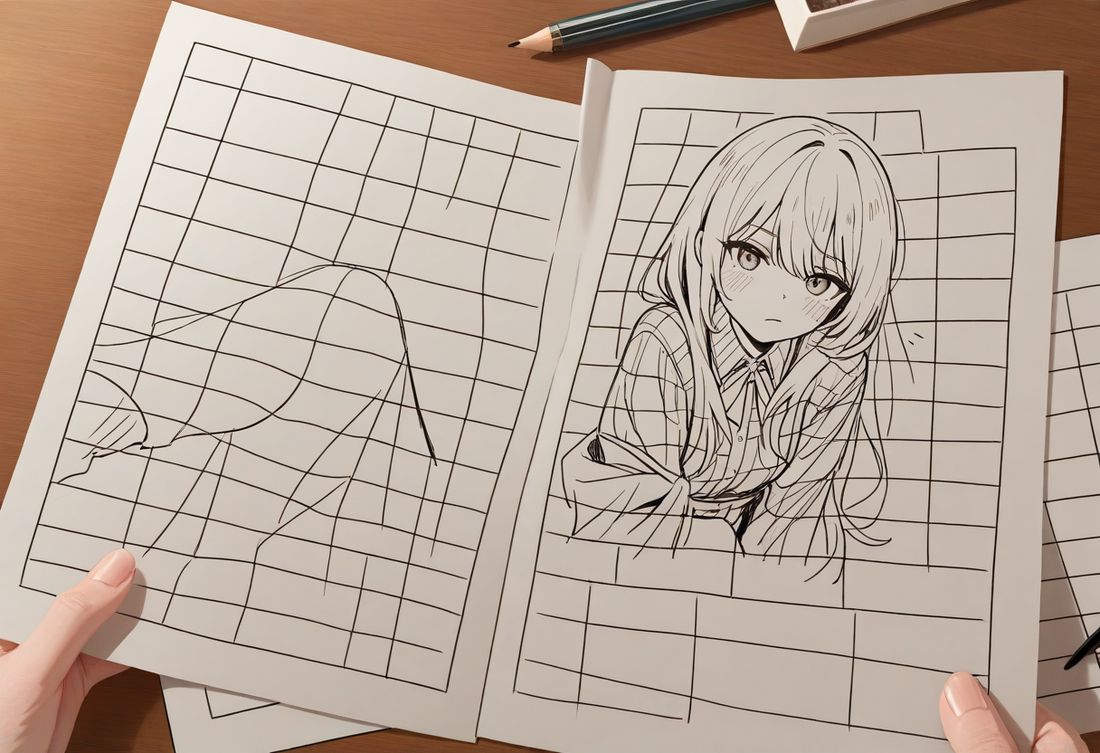
In short
Doujinshi are self-published, amateur comics or magazines that fans create based on existing anime, manga and games — or with original characters. They’re sold at events like Comiket and often reimagine established characters in fan-made stories.
Spend any time around anime fans and the word turns up fast: doujinshi. It usually arrives with a smirk, as if it meant just one thing. It does not. Doujinshi (同人誌) is the enormous, gloriously messy world of self-published comics in Japan — work made by fans, for fans, completely outside the commercial publishing machine. Some of it remixes shows you already love. A lot of it is wholly original. And only a slice of it is the adult material the reputation fixates on.
The name itself tells the story. "Doujin" means people who share an interest — a circle of like-minded fans — and "shi" means a publication. Put together, it is a magazine made by people who care about the same thing. That is the whole idea: not a genre, not a rating, but a way of making and sharing work on your own terms, no publisher required.
This guide walks through all of it. What doujinshi actually is, the short history that turned it into a culture, the different types you will run into, the persistent "is it always NSFW?" myth, how it compares to commercial manga, and why it matters as a form of fan creativity — right up to where AI roleplay fits into that same tradition. First, though, try the scenario builder below.
Doujinshi builder
Create your doujinshi scenario
Pick a genre, a pairing dynamic and a setting, and we will stitch them into a fan-made premise you can play out right away. Not sure what kind of fan creator you are? Take the quick quiz below.
Genre
Pairing dynamic
Setting
Your scenario
Make a pick in all three steps and your doujinshi-style scenario will assemble itself right here, ready to copy and play.
🧭
What kind of fan creator are you?
Five quick questions about how you love a story. Answer honestly and find your place in the doujinshi spirit — from parody maker to live player.
What doujinshi actually is
At its simplest, doujinshi is any work that a fan or small group publishes themselves rather than through a company. The classic format is a printed booklet of comics, but the umbrella stretches much wider: prose novels, illustration collections, fan magazines, even academic zines. What unites them is the route to the reader. No editor assigns the project, no publisher fronts the money, no magazine slots it into a schedule. The creator decides what to make, makes it, prints it, and sells it.
That freedom is the entire appeal. A commercial artist answers to deadlines, demographics and a sales department. A doujinshi creator answers to no one but their own enthusiasm. They can chase a pairing nobody else writes, finish a story the official series abandoned, or build a strange original world that would never survive a pitch meeting. The result is uneven by design — some doujinshi is rough, some is more polished than the official product — but it is always exactly what its maker wanted to make.
Most doujinshi is produced by a "circle" (サークル), which can be a single person under a project name or a small team splitting the writing, drawing and printing. Circles are the basic unit of the whole scene: they register for conventions, run a table, and sell their booklets directly to the people who walk up. Understanding circles is the key to understanding everything else, because the entire culture is built around them.

A short history: Comiket and the self-publishing engine
Self-published literary magazines existed in Japan long before anime fandom — writers have circulated their own booklets since the early twentieth century. But the doujinshi we mean today took shape in the 1970s, when manga and anime fans started printing fan works and needed somewhere to trade them. The answer arrived in 1975: Comic Market, universally shortened to Comiket, the first convention built specifically for fans to sell self-published work to other fans.
Comiket changed everything by giving the scene a heartbeat. Held twice a year in Tokyo, it grew from a few hundred attendees into one of the largest gatherings of its kind on earth, drawing hundreds of thousands of people across a few intense days. Crucially, it is not a corporate expo: the floor is wall-to-wall circles, each selling the booklets they printed themselves, straight to readers who queued up to buy them. That direct, creator-to-fan exchange is the engine that turned a hobby into a culture.
Two more forces fed the growth. Cheaper printing — and later home printers and digital tools — kept dropping the cost of making a booklet, so more fans could afford to publish. And a long-standing tolerance from many rights-holders, who saw fan works as fuel for fandom rather than a threat, gave the parody side room to flourish. Together, those conditions built a self-sustaining loop: fans make, fans buy, the money funds the next batch, and the cycle repeats convention after convention.
The main types of doujinshi
"Doujinshi" is a container, not a single thing. The works inside it split along two big lines — parody versus original, and comics versus everything else. Here are the categories you will meet most often.
🎭Parody (niji sosaku)
Fan works built on an existing series — your favorite anime or manga cast dropped into new scenes, ships, jokes and "what happens after the finale" stories. This is the part of doujinshi most people picture first.
✨Original (sosaku)
Wholly original comics, characters and worlds with no source material at all — self-published indie manga in everything but name. Many creators use it as a launchpad toward a professional debut.
📖Doujin novels
Prose instead of panels: fan fiction and original light-novel-style stories printed as booklets. Text-heavy circles thrive at the same conventions as the artists.
🎮Doujin games & more
The "doujin" spirit reaches far beyond paper — indie games, music albums, art books and software, all self-released. Some doujin games have grown into worldwide hits on their own.
The big divide worth remembering is parody versus original. Parody doujinshi (sometimes called niji sosaku, "secondary creation") borrows an existing cast and runs somewhere new with them. Original doujinshi (sosaku) invents its own world from scratch. Both share the same tables at the same conventions, and plenty of creators move between them — one booklet a loving riff on a hit series, the next a fully original idea they have been nursing for years.
Is doujinshi always NSFW? No.
This is the single most stubborn misconception about the form, so let us be blunt: no, doujinshi is not always adult material — not even close. The confusion is easy to understand. The explicit corner of doujinshi is loud, heavily indexed online, and exactly the kind of thing that travels fast on the internet. So for a lot of people outside Japan, the only doujinshi they have ever heard of is the NSFW kind, and they assume that is the whole medium.
Walk an actual convention floor and the picture flips. You will find gag comics and four-panel jokes, tender "what happens after the ending" stories, gorgeous art books, cookbooks, travelogues, fan novels, study guides and dense technical booklets about hobbies you did not know had fandoms. Whole genres of doujinshi are aimed at all ages. Adult doujinshi absolutely exists and is popular, but it sits beside everything else as one category among many — not the definition.
The cleaner way to think about it: NSFW is a rating, doujinshi is a publishing model. A booklet can be self-published and totally wholesome, or self-published and explicit, the same way a film can be independent and family-friendly or independent and adult. The two questions — who published it, and what rating it carries — are completely separate. Mixing them up is how the myth took hold.
Doujinshi vs commercial manga
People often ask how doujinshi differs from manga, but the comparison hides a trap: doujinshi can be manga. The real contrast is between self-published work and commercially published work. Commercial manga goes through a publisher, an editor and a magazine; doujinshi is made and sold by the creator. Art quality is not the line — many doujinshi are drawn by professionals — the line is the path it takes to reach you. This table lays the difference out at a glance.
| 📓 Doujinshi | 📚 Commercial manga | |
|---|---|---|
| Who makes it | Solo creators or small circles, often amateurs and hobbyists | Professional artists and writers under contract |
| How it is published | Self-published and self-funded | Backed and printed by a publisher |
| Where you buy it | Conventions, doujin shops, digital doujin stores | Bookshops, newsstands, mainstream apps nationwide |
| Source material | Often fan parody of an existing series — or fully original | Original, owned and licensed by the publisher |
| Schedule | Whenever the creator finishes — driven by passion | Fixed serialization, deadlines and editorial planning |
| Why it exists | Love of a world, freedom to make exactly what you want | A product made to sell at commercial scale |
The two worlds are not rivals — they feed each other. Plenty of professional manga artists got their start selling doujinshi at Comiket, and many keep making it on the side, using fan works to experiment freely between official deadlines. Readers cross over the same way, discovering an artist through one and following them into the other. Doujinshi is best understood as the grassroots layer beneath the commercial industry, not a competitor to it.
Doujinshi as fan-creativity culture
Strip away the booklets and the conventions, and what doujinshi really is at heart is a culture of participation. It runs on a simple, deeply human impulse: you love a world so much that watching from the outside is not enough — you want to step in and add to it. Finish the arc the series cut short. Pair the two characters the show kept apart. Spin the whole thing into a comedy, or a tragedy, or a slice of quiet everyday life the original never had time for.
That impulse is not unique to Japan — fan fiction, fan art and remix culture exist everywhere — but doujinshi built an unusually complete ecosystem around it. There is a place to sell (the conventions), a way to print (cheap, accessible publishing), an audience that shows up specifically to buy fan work, and a broad social tolerance that lets it breathe. Together those pieces turned a scattered hobby into something durable, generational and genuinely influential on the mainstream above it.
It is also a training ground and a community. Aspiring creators learn their craft in public, week after week, table after table, building an audience long before any publisher notices. Readers become friends, friends become collaborators, collaborators form circles, and circles raise the next wave of creators. The comics are the visible product, but the real output is a living network of people who make things together for the love of it.
Step into an anime world with a character of your own
Аниме-персонажи для ролевого чата: от милых знакомств до драматичных арок. Подходит для длинных сюжетов с развитием отношений и характеров.


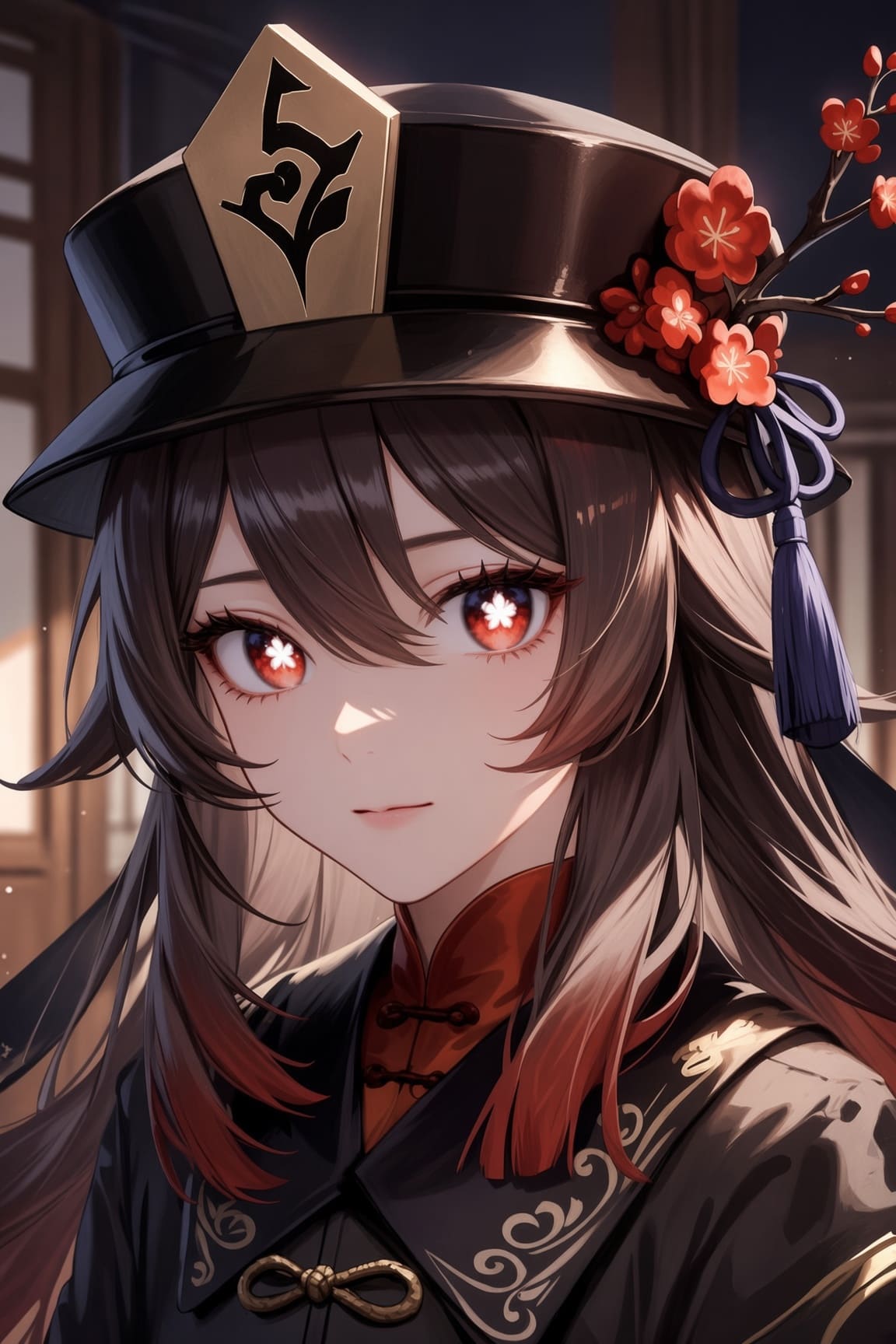
Swipe sideways
AI as the next step in fan creativity
If doujinshi is what happens when a fan picks up a pen to extend a world they love, AI roleplay is what happens when that same fan wants to live the extension instead of draw it. It belongs to the exact same lineage — the urge to take a setting you adore and make something new inside it — just with a different tool in hand. A doujinshi author fixes their "what if" on the page. An AI roleplay lets you play it out, line by line, as it happens.
The mechanics are simple and oddly familiar to anyone who has co-written anything. You write your half of the scene; an AI character writes the other half, staying in character, reacting to what you do and keeping the thread going. Want a slow, tender slow-burn? It will play long. Want to push the tension somewhere spicier? An optional adult mode is there if and only if you turn it on. You are the co-author setting the pace, and the story builds in real time.
It will never replace the craft of a beautifully printed doujinshi — the two scratch the itch in different ways. But the spirit is identical: take the worlds and characters you cannot stop thinking about, and keep the story going on your own terms. That is what fans have always done. AI just hands you one more way to do it.
From reading about it to playing it
Knowing how doujinshi works is one thing; the fun starts when you stop reading about fan worlds and step into one yourself. That is exactly what RPDATE is for. Pick a character, set the tone and the situation, and carry the story with your own lines, like a co-writer. The other side is played by an AI that picks up your tone, reacts to what you do, and stays in character throughout.
Want a soft, slow-building romance with an anime heroine? You can have a slow burn. Want to design a strange original scenario from the ground up? The builder above gets you started, and the catalog gives you someone to play it with. Want to turn up the heat? An optional adult mode switches on only if you choose it. Your story, your pace, every time.
It is the difference between admiring a fan-made world from outside and stepping into the panel yourself. The scenario builder tells you what kind of story you want; the catalog gives you the character to live it with.
Now bring your fan-made scenario to life
Pick an anime character and play out the story you just built — original world, favorite genre, your rules.
Open the characters →free · in English · optional 18+
Frequently asked questions
What is doujinshi, in one sentence?+
Doujinshi (同人誌) is self-published, fan-made work — usually comics, but also novels, art books and games — created by amateurs or semi-pros outside the commercial publishing system. The word literally means "same-person magazine," from "doujin" (people who share an interest) plus "shi" (publication). Some doujinshi remix existing anime and manga; plenty are wholly original. The defining trait is not the subject matter but the spirit: made by fans, for fans, on their own terms.
What is the difference between doujinshi and manga?+
Manga, in everyday use, means commercially published comics: drawn by professionals, edited by a publisher, serialized in a magazine and sold in shops nationwide. Doujinshi is self-published — the creator (or a small group called a circle) writes, draws, prints and sells it themselves, usually at conventions or specialty stores. A lot of doujinshi is fan work based on existing series, but the real line is the publishing route, not the art quality. Many professional mangaka started in doujinshi and still make it on the side.
Is doujinshi always NSFW?+
No, and this is the biggest myth about it. Because the explicit corner of doujinshi is loud and very visible online, people assume the whole medium is adult material — but huge amounts of doujinshi are completely safe for work: comedy strips, heartfelt "what happens next" stories, art collections, fan novels, recipe zines, even technical and academic booklets. NSFW doujinshi exists and is popular, but it is one genre among many, not the definition of the form.
How do I read doujinshi?+
The traditional way is in print: you buy physical booklets at conventions such as Comiket or at specialty shops in Japan that stock self-published works. Many circles also sell digital editions through online doujin marketplaces, and some artists post short pieces or previews directly on their own social accounts and art platforms. If you are buying fan works, support the original circle where you can — that direct sale is what keeps the whole scene alive.
What is Comiket?+
Comiket (Comic Market) is the largest doujinshi convention in the world, held twice a year in Tokyo since 1975. Hundreds of thousands of attendees come to buy self-published works directly from the circles that made them. It is less a trade show than a giant gathering of fan creators selling to fan readers, and it is the engine that turned doujinshi from a niche hobby into a culture. If doujinshi has a heartbeat, you can hear it loudest at Comiket.
Are doujinshi legal?+
It is a grey area, and it works mostly because everyone involved wants it to. Parody doujinshi technically uses characters owned by someone else, which would normally raise copyright questions. In practice, many Japanese rights-holders quietly tolerate fan works because they keep fandom alive and feed back into sales, and some publishers now offer formal guidelines. Original doujinshi raises no such issue at all. As a reader the safe rule is simple: buy from the creators, do not re-upload their work, and respect what each rights-holder allows.
How does AI fit into fan creativity?+
AI roleplay is the latest tool in the same long tradition doujinshi belongs to: fans who love a world and want to keep playing in it. Where a doujinshi author draws a "what if" on paper, an AI roleplay lets you act that "what if" out live — you write your half of the scene, an AI character writes the other half in character, and the story unfolds in real time. It will not replace the craft of a printed doujinshi, but it scratches the same itch: take a setting you adore and make something new inside it.
Keep reading
Topics fans usually explore alongside doujinshi:
What to read next


About The Author & Editorial Standards

RPDATE Editorial Team
Editorial pageEditorial Team
The RPDATE editorial team prepares practical guides on roleplay dialogue design, character dynamics, and scene structure. We focus on tested recommendations and clear product context.
This article is prepared by the RPDATE editorial team based on direct product usage, scenario testing, and platform-level comparison. We update guides when UX, pricing, filtering, or access conditions change.
What was tested:
- Real chat sessions with multiple character types and tags
- Conversation consistency, memory behavior, and prompt adherence
- Onboarding friction: signup, paywalls, platform constraints
Editorial policy
We separate observations from opinion, mark limitations explicitly, and avoid sponsor-driven ranking claims. If a section is outdated, we revise it after verification.
Verification & transparency
Recommended next reads
Gift from RPDATE - Balance Promo Code
Public promo code for blog readers: activate in your profile and get +5 balance bonus.
no activation limits