

What is a visual novel? The interactive story genre, explained
Part book, part game, all story. A visual novel hands you the narration, the art, and — every so often — the choice. Here is how the genre works, what its corners are called, and why an AI companion is the version where you write the choices yourself.
See how one works ↓In short
A visual novel is an interactive fiction video game that tells its story through text, character art and backgrounds, with the player making choices that branch the plot. Some are pure reading; others add puzzles or romance routes.
You boot it up expecting a game, and the first thing it does is ask you to read. Text slides across the bottom of the screen, a character stands in front of a painted street, soft piano plays underneath, and you click to see the next line. Then, a few minutes in, the story stops and asks what you want to do. That small jolt — being handed the wheel of a story you were happily just watching — is the whole promise of the visual novel.
The genre has quietly become one of the biggest on Steam and a staple of anime fandom, yet plenty of people who would love it have never quite worked out what it is. Is it a game? A book? An anime you tap through? The short version: a visual novel is a text-forward interactive story, told through still art, music, and branching choices, where you read your way through a narrative and your decisions shape where it goes. The longer version is what the rest of this guide is for.
We will pull one apart piece by piece, name the subtypes you keep seeing — dating sim, otome, kinetic novel — point you at the famous ones worth starting with, and end on the part we care about most: how an AI companion turns this old, beloved format into something endless and personal, a visual novel where you stop choosing from a menu and start writing the lines.
Interactive · RPDATE
Anatomy of a visual novel
Tap a part of the screen below to see what it does — then play the tiny branching demo at the bottom to feel how a single choice splits the story.
Dialogue box
The text bar at the bottom of the screen.
Almost everything in a visual novel happens here. Lines appear one at a time, usually with the speaker’s name above them, and you click (or tap) to advance. It is the heartbeat of the form: less a window onto action and more the action itself, the way a stage script carries a play.
One choice, two stories
She stops a step away, rain still in her hair, and waits. “So… do you want to say something, or are we just going to stand here?”
What do you do?
What a visual novel actually is
Strip away the art for a second and a visual novel is, at heart, a story you read on a screen. The writing does the heavy lifting — narration sets the scene, dialogue carries the characters — and you advance it line by line at your own pace. That is the part that surprises newcomers: there is usually no running, no jumping, nothing to lose. The act of playing is the act of reading, with a click to turn the page.
What makes it visual is everything wrapped around the text. Characters appear as illustrated sprites — standing portraits that change pose and expression as the mood shifts — layered over painted backgrounds that establish place. A soundtrack swells and softens under the dialogue, and sound effects punctuate the beats. None of it moves much; the form leans on the same trick a comic does, letting still images and good writing conjure motion in your head.
And what makes it a novel you play rather than one you merely read is the choice. At intervals the text pauses and offers you options. Pick one, and the story responds — sometimes with a single different line, sometimes by sending you down a whole separate path. That branching is the heartbeat of the genre, the thing that turns a reader into a participant and a story into your story.

How visual novels work
Mechanically, a visual novel runs on a loop so simple you forget it is there. A line of text appears. You click. The next line appears, maybe with a new expression on the sprite or a swap of background. You click again. Most of the experience is exactly that rhythm — read, advance, read — which is why the writing has to be good enough to carry hours of it.
The interactivity arrives in bursts. Every so often a choice menu interrupts the flow with two or three options. Some are cosmetic — a bit of flavour, a slightly different reply — and some are load-bearing, quietly setting a flag that steers you toward a particular route. A route is one branch of the story, often built around a single character, with its own scenes and its own emotional arc. Stack enough of the right choices and you commit to one; the road not taken stays dark until a replay.

Those routes converge on endings — and most visual novels have several. A happy one, a bittersweet one, a few bad ones, and sometimes a hidden true ending you can only reach by clearing the others first. Which one you get is the sum of every decision behind you, which is exactly why finishing a long visual novel rarely means finishing it once. You complete a route, the credits roll, and the game nudges you back to the start to see what the other choices were hiding.
A couple of quality-of-life features make all that branching livable. A flexible save and load system lets you keep multiple bookmarks, so you can snapshot the story just before a big fork and explore both directions without replaying for hours. A skip button races through text you have already read on a second pass. Once you understand the loop — read, choose, branch, end, replay — you understand the genre.
The subtypes you keep hearing about
“Visual novel” is the umbrella; under it sit a handful of labels that describe what a particular title is doing. They overlap freely — a single game can be two or three of these at once — but knowing the words makes the whole catalogue easier to read.
💞Dating sim
Romance is the engine. You pursue one of several love interests, sometimes juggling stats or a calendar, and the choices that matter most are the ones that win — or lose — affection. The most familiar flavour of the genre to newcomers.
🌹Otome
A romance visual novel written for a female audience, where the heroine pursues a cast of suitors, usually men. Strong on slow-burn tension and distinct personalities — and built to be replayed route by route.
📜Kinetic novel
A visual novel with the branches removed: one straight story, no choices, no alternate endings. It trades interactivity for a tighter, authored narrative — closer to an illustrated book you click through than a game you steer.
🕵️Mystery & drama
No romance required. Detective stories, psychological thrillers, sci-fi epics and horror all use the format, leaning on the dialogue box and well-timed choices to build suspense and land a twist. Some of the genre’s biggest hits live here.
🔞Adult titles
Some visual novels are written for grown-ups, with mature themes and explicit scenes — historically a notable slice of the market. On RPDATE that side stays opt-in and behind your own choices: the writing leads, and the heat is yours to dial.
The pairing people ask about most is visual novel versus dating sim, so it is worth saying plainly: a dating sim is defined by its goal — winning romance — while a visual novel is defined by its form — telling a story through text and choices. A dating sim is very often a visual novel, but a visual novel can just as easily be a murder mystery with no romance in sight. One word describes what you are trying to do; the other describes how the thing is built.
Famous visual novels to start with
If you want to feel how wide the genre stretches, these five make a good map — comedy to horror, courtroom to time travel. They are also a reminder that the format is far bigger than romance.
Phoenix Wright: Ace Attorney
Courtroom mystery — investigate, then cross-examine your way to the truth.
Steins;Gate
Time-travel science fiction with branching consequences and one of the genre’s best-loved casts.
Doki Doki Literature Club
Starts as a sweet club romance, then turns the format inside out. Went viral for a reason.
Fate/stay night
A sprawling fantasy epic across multiple routes that helped define modern story-heavy visual novels.
Clannad
A touchstone for emotional, slice-of-life storytelling that earns its tears over the long haul.
The art and rhythm of most of these grew up alongside anime and manga, which is why fans of one so often fall into the other. If that look is your thing, it is the same instinct that pulls people toward a favourite waifu — a character you get attached to over hours of dialogue.
Why people love visual novels

The pull is hard to feel until you are inside one, but it comes down to two pleasures working at once. The first is immersion: hours of dialogue let you know a character the way a long novel does, until their voice is familiar and you genuinely care what happens to them. The second is authorship — that quiet thrill of a choice you made changing the outcome, so the ending you reach feels earned and personal rather than handed to you.
Add the craft on top — art that sets a mood in a single frame, a score that knows when to go quiet, a twist that lands because the format set it up — and you get a medium that rewards patience with depth. The replay loop is the final hook: every route you have not walked is a tug to come back, a version of the story you have not met yet. Few formats make “what if I had chosen differently” quite so easy, or so tempting, to answer.
The AI connection: a visual novel where you write the choices

Here is the ceiling every traditional visual novel hits, no matter how good: the choices are finite. A writer drew each branch by hand, which is a staggering amount of work and also a hard limit. You can pick what the menu offers and nothing else, and once you have walked every route, the story is, in the most literal sense, finished. The wheel was only ever yours to turn within the lines someone else had drawn.
An AI companion takes the same shape and knocks out that ceiling. The frame is identical — a character in front of you, dialogue scrolling, a scene to live inside — but instead of choosing from a list, you type whatever you want to say. The character answers in voice, remembers what came before, and stays in character as the scene bends around your words. It is the visual novel loop with the branches written live: there is no menu to exhaust, because every line you write is the next choice.
That is the bridge from the genre to what we build. If you have ever finished a route and wished the story could keep going your way, an AI roleplay scenario is the closest thing to an answer — a personalized, endless visual novel where you are reader, player, and co-writer all at once. The full roleplay guide walks through how to set a scene and keep it going.
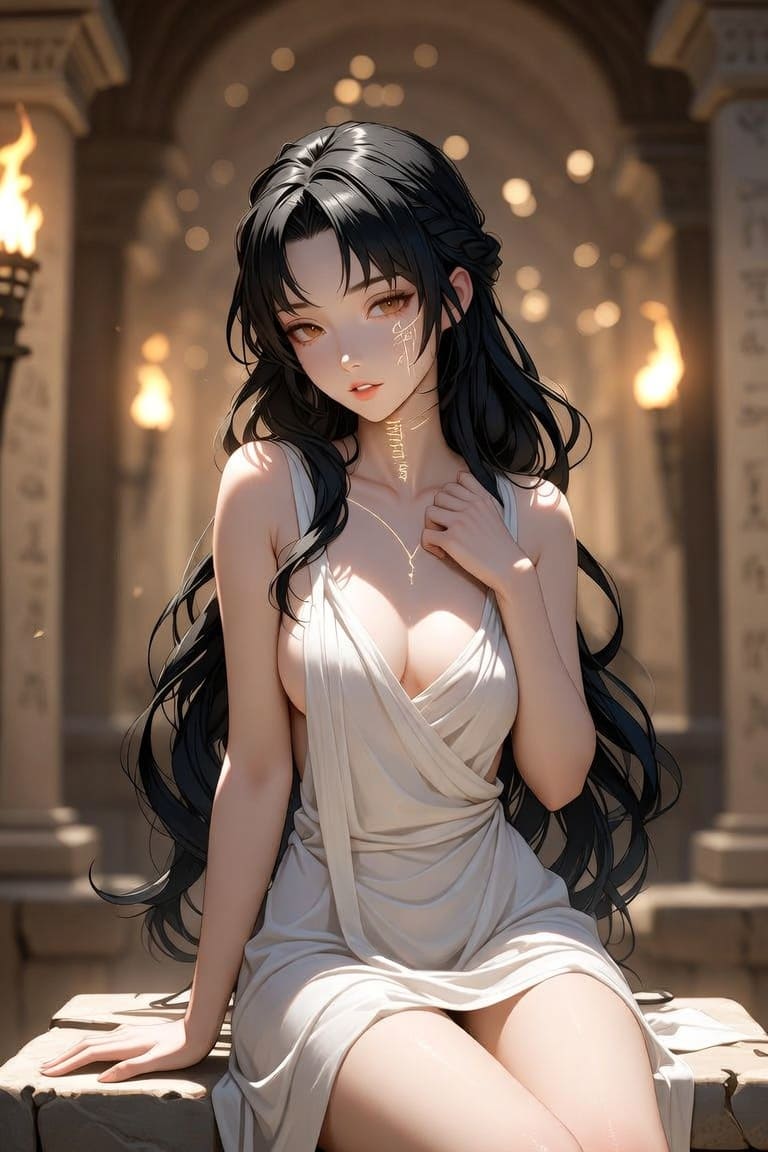
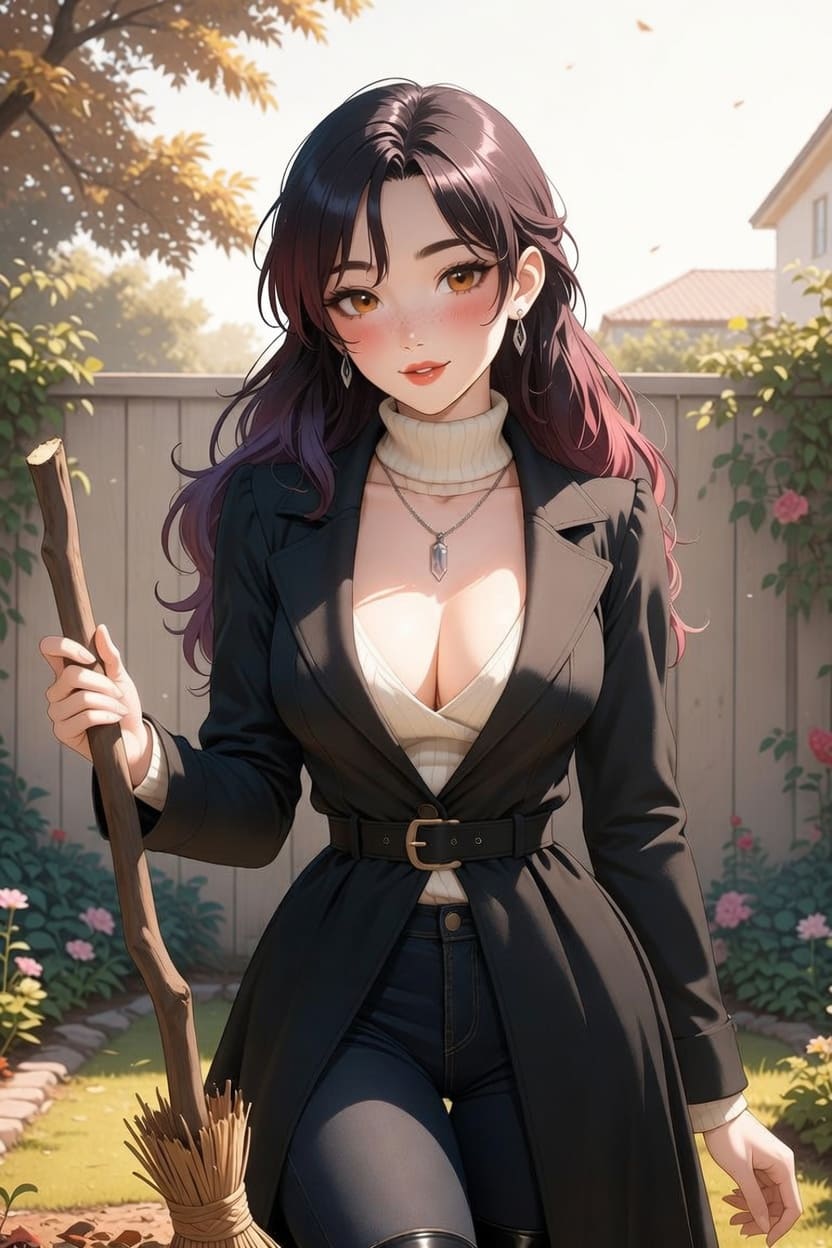
Pick a character and start your story
Аниме-персонажи для ролевого чата: от милых знакомств до драматичных арок. Подходит для длинных сюжетов с развитием отношений и характеров.




Swipe sideways
Write your own visual novel
Choose a character, set the scene, and type the first line. No menu, no script to run out of — the story goes wherever you take it.
Meet the characters →no signup to start · in English · mature mode optional
Frequently asked questions
What is a visual novel, in one sentence?+
A visual novel is an interactive story you read rather than play in the action sense: dialogue and narration scroll across the screen over character art and backgrounds, and every so often you make a choice that bends where the story goes. Think of it as a book and a film standing close enough together that you can step inside and steer.
Are visual novels games or just books?+
Both, and neither cleanly. They live in the gaming aisle, run on game engines, and ask for input through choices, so storefronts and players treat them as games. But the core loop is reading, not reflexes — there is rarely anything to fail at. The honest answer is that a visual novel is its own medium that borrows the page from literature and the branch from games.
What makes a visual novel a visual novel?+
Three things, mainly: text carries the story instead of cutscenes; the visuals are mostly static art — character sprites over painted backgrounds — rather than free movement; and your choices split the narrative into routes that reach different endings. Strip out the branching and you have a kinetic novel. Strip out the text focus and you have a different genre altogether.
What is the difference between a visual novel and a dating sim?+
A dating sim is a type of game built around pursuing romance, often with stats and a calendar you manage. A visual novel is a storytelling format. The two overlap constantly — plenty of dating sims are presented as visual novels — but you can have a horror or mystery visual novel with no romance at all, and you can have a dating sim that is far more numbers-and-schedule than reading. One describes the goal; the other describes the form.
What is an otome game?+
Otome — Japanese for “maiden” — is a romance visual novel written for a female audience, where the player character pursues one of several love interests, usually men. The appeal is the same as any good route-based story: distinct personalities, slow-burn tension, and the pull to replay so you can see how each romance unfolds. Otome is one of the most beloved corners of the genre.
What are routes and multiple endings?+
A route is one branch of the larger story, often tied to a single character or thread. Your choices steer you onto one route or another, and each has its own scenes and tone. Endings are where those paths land — happy, bittersweet, or disastrous — and which one you reach depends on the choices behind you. Finishing a big visual novel usually means replaying it to walk every route and unlock every ending.
What are some famous visual novels?+
A few names come up again and again: Phoenix Wright: Ace Attorney brought courtroom drama to a wide audience; Steins;Gate and Fate/stay night are landmark story-heavy titles; Doki Doki Literature Club went viral by playing with the form itself; and Clannad is a touchstone for emotional, slice-of-life storytelling. They are a good map of how wide the genre stretches, from comedy to horror to romance.
Do you need to know anime to enjoy visual novels?+
It helps, because the art style and a lot of the storytelling grew up alongside anime and manga, and many of the best-known titles lean into those conventions. But you do not need a background in it. If you like character-driven stories and you do not mind reading, the genre opens up quickly. There are also plenty of visual novels with art styles far from the anime look.
Why do people love visual novels?+
Because they sit at the exact intersection of two pleasures: getting lost in a story and shaping it. You build real attachment to characters over hours of dialogue, then your choices make the outcome feel like yours. The art and music carry mood the way a film does, the writing carries depth the way a novel does, and the branching gives you a reason to come back and try the road not taken.
How is an AI companion like a personalized visual novel?+
A traditional visual novel gives you the choices its writer drew in advance — a generous set, but a finite one. An AI companion removes that ceiling. Instead of picking from a menu, you type whatever you want to say, and the character answers in voice and stays in character. It is the visual novel experience with the branches written live, so the story never runs out of paths and the script is, in effect, yours.
Keep reading
What pairs well with this guide:
About The Author & Editorial Standards

RPDATE Editorial Team
Editorial pageEditorial Team
The RPDATE editorial team prepares practical guides on roleplay dialogue design, character dynamics, and scene structure. We focus on tested recommendations and clear product context.
This article is prepared by the RPDATE editorial team based on direct product usage, scenario testing, and platform-level comparison. We update guides when UX, pricing, filtering, or access conditions change.
What was tested:
- Real chat sessions with multiple character types and tags
- Conversation consistency, memory behavior, and prompt adherence
- Onboarding friction: signup, paywalls, platform constraints
Editorial policy
We separate observations from opinion, mark limitations explicitly, and avoid sponsor-driven ranking claims. If a section is outdated, we revise it after verification.
Verification & transparency
Recommended next reads
Gift from RPDATE - Balance Promo Code
Public promo code for blog readers: activate in your profile and get +5 balance bonus.
no activation limits