What Is Mahou Shoujo? A Complete Guide to Magical Girl Anime
"Mahou shoujo" simply means "magical girl": ordinary girls who gain powers, transform in a blaze of light and protect the world with courage, love and friendship. Here is the whole genre explained, from its 1960s roots to Sailor Moon and Madoka, with an interactive explorer and a quiz to find which magical girl you are.
Explore and take the quiz ↓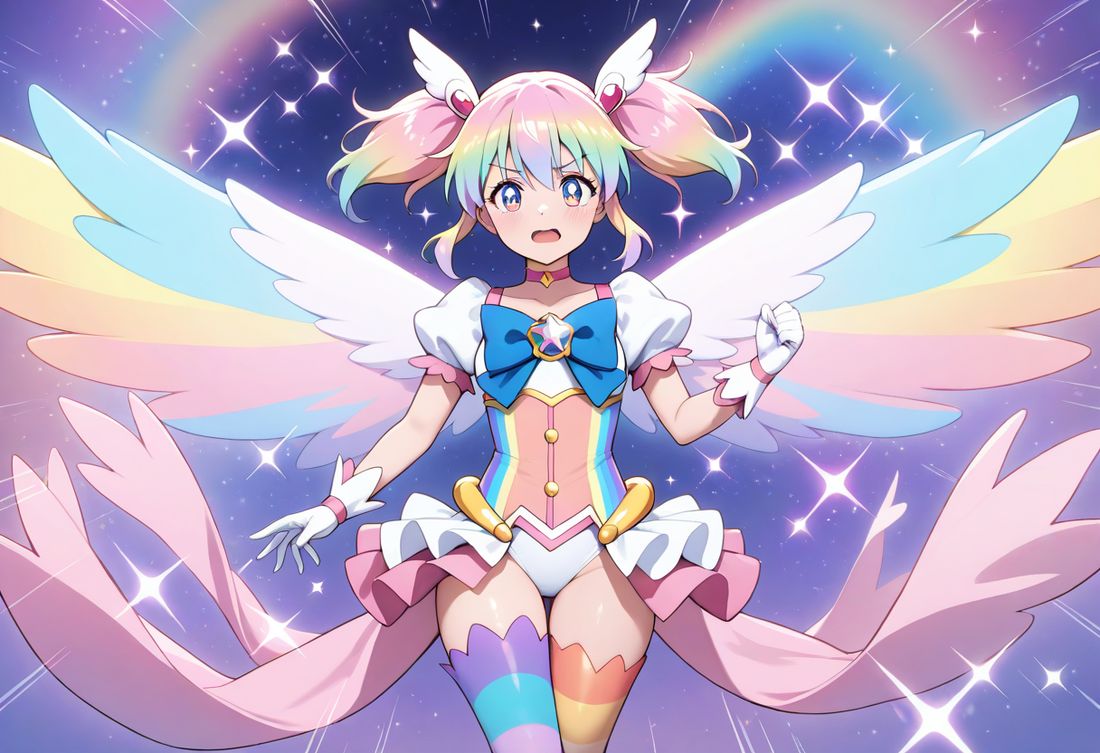
In short
Mahou shoujo (magical girl) is an anime and manga genre about girls who gain magical powers and transform to fight evil or grant wishes, often with a cute mascot and a theme of friendship. Sailor Moon is the best-known example.
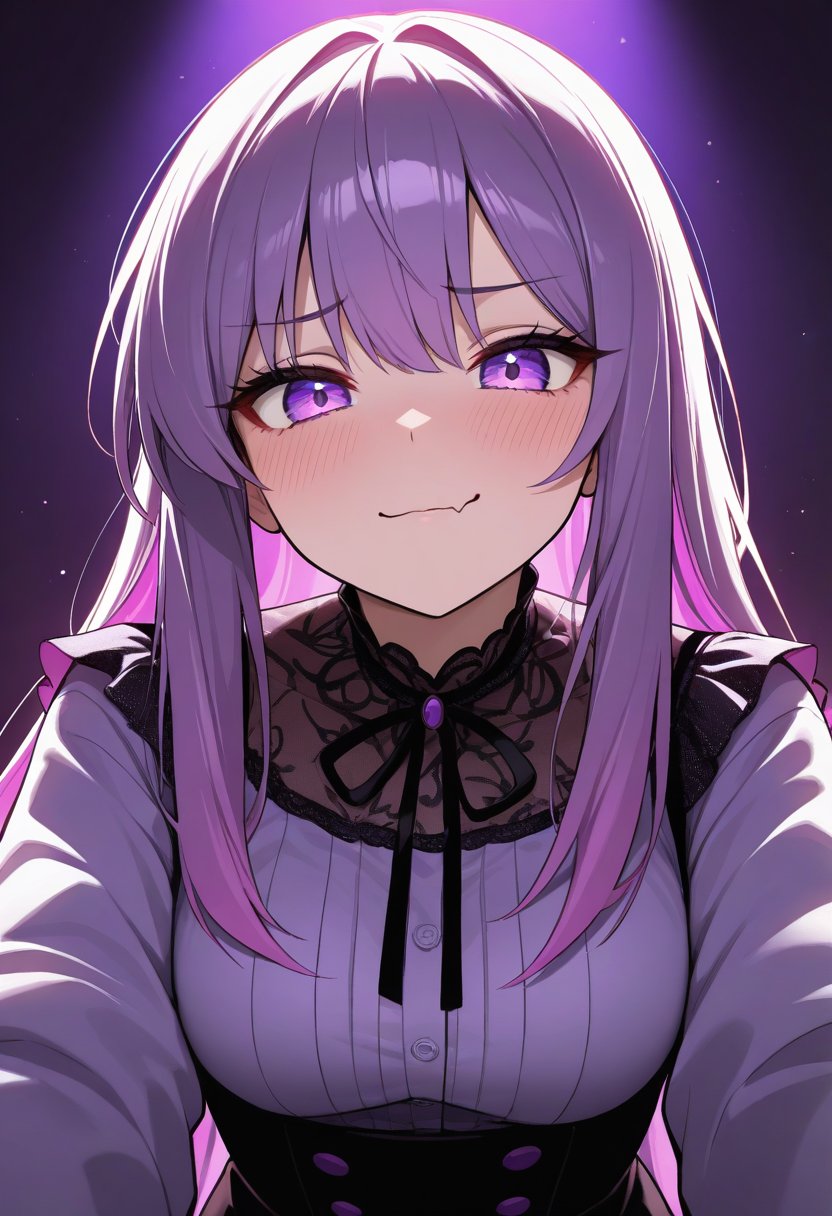
If you have watched any anime at all, you have met her: an everyday girl who, with a phrase and a swirl of ribbons and light, becomes a costumed hero. She fights monsters one moment and worries about homework the next. Her best weapon is not a sword but the people she loves. That heroine has a name in Japanese, and it is the name of one of the most influential genres in all of animation: mahou shoujo.
The phrase translates directly as "magical girl", but it means far more than a girl who happens to do magic. It is a whole storytelling tradition with its own beats and rules: the transformation sequence, the cute talking mascot, the team of friends, the secret double life, and above all the conviction that love and friendship are not soft sentiments but genuine power. Once you can spot these pieces, you can read almost any magical-girl story at a glance.
This is the complete beginner's guide. We will cover what mahou shoujo actually is, how it grew from the 1960s to Sailor Moon and on to the dark, modern wave led by Madoka, the traits that define the genre, the difference between light and dark magical girls, and the best series to start with. And right below, an interactive explorer with a quiz to discover which magical-girl archetype is yours.
RPDATE Explorer
Explore the magical-girl archetypes
Tap each archetype to see how she fights, what powers her and which anime heroines fit the mold. Not sure which one is you? Jump into the quiz below.
The Warrior
Courage first, doubts later
The frontline magical girl who runs toward the danger everyone else runs from. Her power is fueled by sheer will and the people she protects. She would rather take the hit herself than watch a friend fall.
How she fights
Charges in head-on, finishes fights with a big, bright signature attack, and never backs down once she has decided to fight.
Her heart
Brave to a fault and fiercely loyal. Her transformation is a promise: "I will not let you face this alone."
Signature line: "In the name of the moon, I will protect everyone!"
In anime: Sailor Moon (Usagi when it counts), Madoka, Nanoha, Sakura (Cardcaptor).
🌟
Which magical girl archetype are you?
Six quick questions about courage, magic and friendship. Answer honestly and find your archetype.
What mahou shoujo really is
Mahou shoujo (魔法少女) is a genre of anime and manga, not a single show. The words break down neatly: "mahou" is magic and "shoujo" is a young girl. Put together, the label describes stories about ordinary girls who gain magical abilities and use them to fight evil, grant wishes or guard the people and world they care about. It is one of the cornerstone genres of Japanese pop culture, sitting alongside shonen action and slice-of-life as something nearly everyone grows up with.
What makes a story mahou shoujo is not just the presence of magic but a familiar set of ingredients. The heroine usually starts as a normal schoolgirl. She receives her powers from a mysterious source, often a talking animal or a magical item. She transforms into a costumed alter ego, complete with a signature sequence of light and color. She keeps her magical life secret from most of the people around her. And her growth is measured less in raw strength than in courage, kindness and the bonds she builds.
That recipe is flexible enough to hold an enormous range. The same genre that gives us sparkly, reassuring adventures for children also gives us bleak, philosophical tragedies for adults. What ties them together is the shape of the heroine and her journey, not the mood. Understanding that shape is the key to everything else.
A short history: from the 1960s to deconstruction
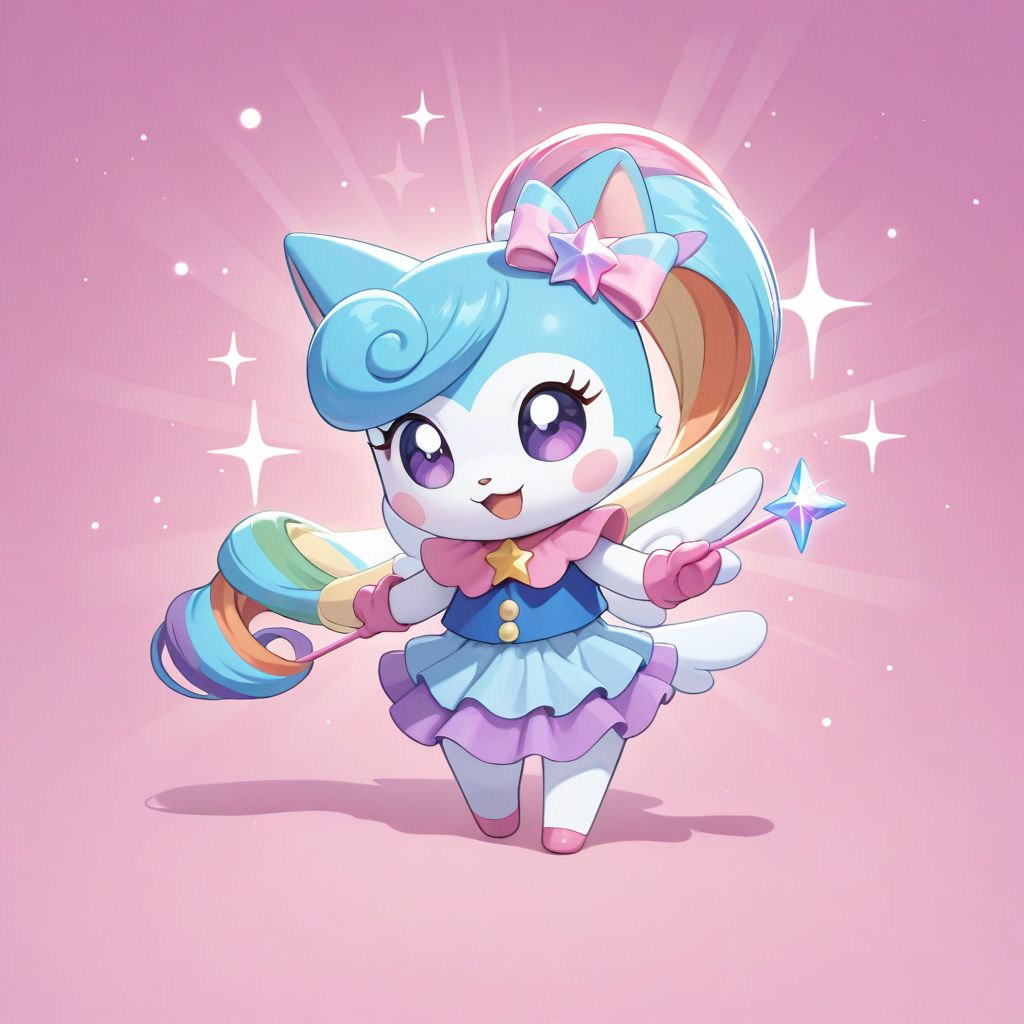
The genre is older than most people think. It is usually traced to 1966 and Sally the Witch, the first televised magical-girl anime, inspired in part by Western fantasy about friendly witches. These early shows were gentle and domestic: a magical girl used her powers for small everyday wonders rather than epic battles. Through the 1970s and 1980s the formula was refined, adding idol-singer heroines and the now-iconic idea of a transformation that turns an ordinary girl into a glamorous alter ego.
Then, in 1992, Sailor Moon changed everything. By fusing the magical-girl tradition with the team-based action of shonen battle anime, it created the template the whole modern genre still follows: a squad of transforming heroines, escalating villains, dazzling attack sequences and a beating heart of friendship. Sailor Moon was a global phenomenon and, for millions of viewers, the very definition of what a magical girl is. Cardcaptor Sakura and others carried that bright, hopeful spirit into the new century.
The next great turn came in 2011 with Puella Magi Madoka Magica. It looked like a typical cute magical-girl show and then revealed itself as a dark tragedy about the real price of wishes and power. Madoka kicked off the modern "deconstruction" era, a wave of stories that keep the genre's surface while questioning its assumptions. Today mahou shoujo spans the full spectrum at once, from featherlight comfort viewing to genuine horror, all descended from that same 1960s seed.
The traits that define the genre
Strip a magical-girl story down and you tend to find the same handful of signature parts. None of them is strictly mandatory, but the more a show has, the more unmistakably mahou shoujo it feels. Here are the ones that matter most.
✨ The transformation sequence
The defining ritual: a flash of light, swirling ribbons and a new costume. It is part power-up, part declaration of identity, and it is the single most recognizable image in the genre.
💗 Love and friendship as power
Not a metaphor. Bonds with friends and loved ones are an actual source of strength, and the climactic victory is usually won through connection, not just a bigger blast.
🤝 Teamwork and the squad
Since Sailor Moon, the heroine rarely fights alone. A team of complementary girls, each with her own color, power and personality, is a genre staple.
🐾 The mascot and the double life
A cute guide, often a talking animal, hands out the powers, while the heroine juggles ordinary school life with her secret magical one.
Above all, the genre is emotionally driven. Battles are real, but the true drama lives in feelings: friendship, first love, fear, sacrifice and growing up. That is why a magical-girl fight can move you to tears in a way a straightforward action scene rarely does. The spectacle is the wrapping; the heart is the gift.
Light versus dark magical girls
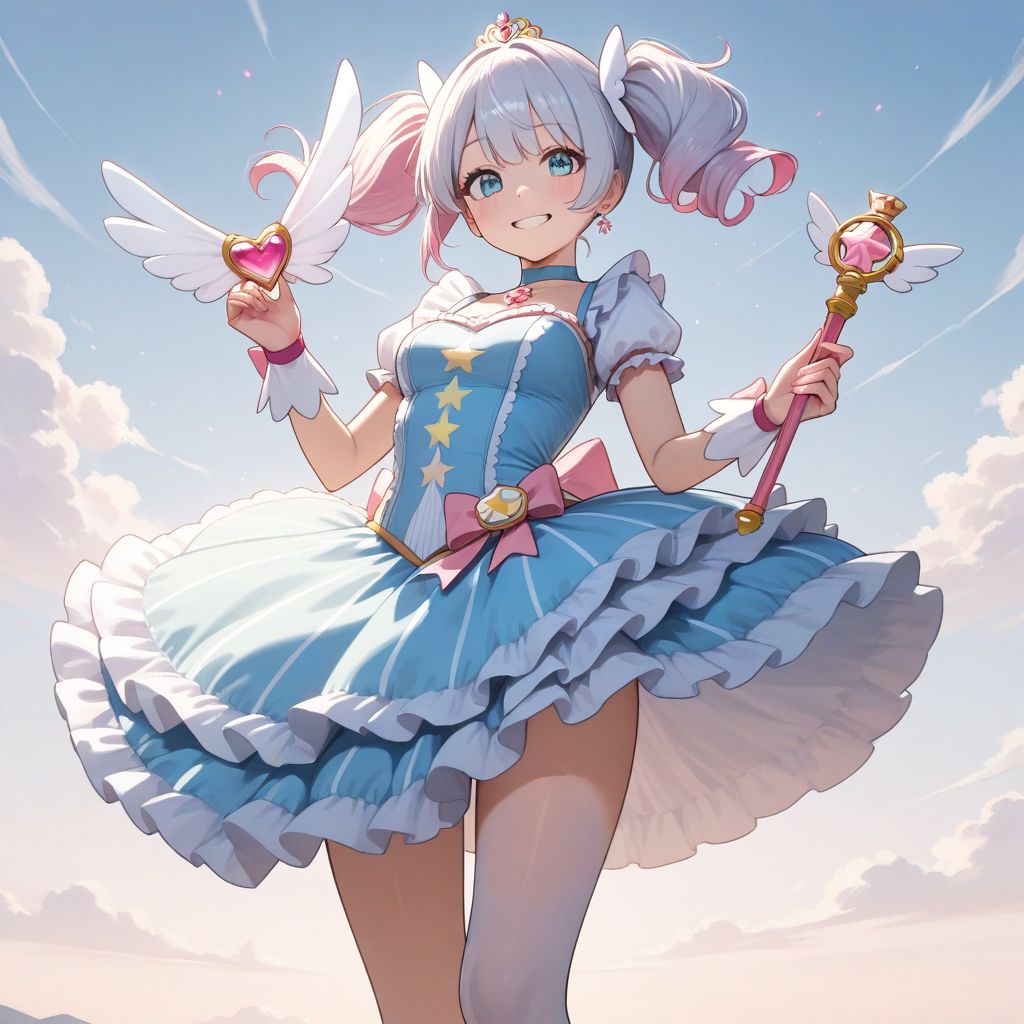
The biggest split inside the genre is between its light and dark halves. Classic mahou shoujo is bright, hopeful and reassuring: the heroine grows, friendship triumphs and good wins. Dark mahou shoujo, also called deconstruction, keeps the cute surface but asks what it would really cost a child to fight monsters, and answers honestly, with danger, loss and moral weight. This table lays the two side by side.
| ☀️ Classic mahou shoujo | 🌑 Dark mahou shoujo | |
|---|---|---|
| Overall tone | Bright, hopeful, reassuring | Tense, somber, morally gray |
| The cost of power | Low stakes, fights are won and life goes on | Real sacrifice, loss and lasting consequences |
| The mascot | A cute, helpful guide | A cute guide hiding an unsettling truth |
| Core message | Friendship and love conquer all | Friendship and love tested to the breaking point |
| Typical ending | Triumphant and warm | Bittersweet, earned, sometimes tragic |
| Examples | Sailor Moon, Cardcaptor Sakura | Madoka Magica, Magical Girl Raising Project |
One thing worth saying plainly: dark does not mean better, and light does not mean shallow. A perfect comfort show and a devastating tragedy can be equally great craft. Many fans love both, often watching a bright classic to relax and a dark masterpiece when they want to be moved. The labels describe flavor, not quality, and the genre is rich enough to deserve both moods.
The best mahou shoujo for beginners
If you are new to the genre, the smartest path is to start bright and clear, then work toward the heavier, more experimental stuff once you know the conventions. Beginning with a deconstruction is like reading a parody before the original: you miss half of what makes it brilliant. So save the rug-pulls for after you have felt the comfort they are subverting.
The natural first stop is Sailor Moon. It practically wrote the modern rulebook, and it is warm, funny and easy to follow even decades later. Cardcaptor Sakura is another wonderful starting point: gentle, gorgeously animated and endlessly charming. Both will teach you the genre's grammar, the transformations, the teamwork, the friendship-as-power, without asking much of you emotionally beyond a few happy tears.
Once those feel familiar, you are ready for Puella Magi Madoka Magica, widely considered one of the greatest anime ever made and the gateway to the dark side of the genre. From there the whole spectrum opens up: Nanoha for sci-fi action, Precure for long-running team adventures, and harder horror titles when you want the genre at its most unsettling. Start soft, then follow your taste wherever it leads.
Why magical-girl heroines make great AI companions
Magical girls are built out of exactly the qualities that make a memorable companion to talk and play with. They are warm, brave and emotionally open. They carry a secret world you can be let into. And the whole genre is, at its core, about connection, the bond between the heroine and the people she trusts. That makes them a natural fit for interactive roleplay, where the relationship is the point.
On RPDATE you can step inside that fantasy instead of just watching it. Choose a heroine, set the tone and the scene, and lead the story with your own dialogue, like a co-writer. The AI plays the other side: picking up your tone, reacting to what you do and staying in character. Want a hopeful tale where friendship wins? You can have one. Want the slow burn of a rival becoming an ally? Set the pace yourself. The optional +18 mode only turns on if you want it to.
It is the difference between admiring a transformation sequence and starring in your own. The quiz above tells you which archetype you are; the catalog gives you a heroine to bring the story to life with.
Bring a magical-girl story to life with an anime heroine
Аниме-персонажи для ролевого чата: от милых знакомств до драматичных арок. Подходит для длинных сюжетов с развитием отношений и характеров.


Swipe sideways
From reading about magical girls to playing one
Knowing the genre inside out is satisfying, but the real fun starts when you stop watching from outside and step into a scene. The nervous courage of a first transformation. A quiet conversation on a rooftop between two battles. The spark of a rivalry slowly turning into trust. These are the moments magical-girl stories are made of, and now you can be at the center of them.
In RPDATE you act out any of those dynamics with an AI character. You pick the heroine, choose the mood and the situation, and carry the story with your own lines as a co-writer. The other side is played by the AI: it follows your tone, responds to your choices and keeps its character consistent. Want a long, tender slow burn? It is yours. Want to raise the stakes? The +18 mode lights up only if you choose it.
It is the gap between seeing a story and living one. The quiz up top tells you which magical girl you are; the catalog gives you someone to play it with.
You know the genre, now live it
Pick an anime heroine and build your own magical-girl scene, from a bright team adventure to a darker, high-stakes tale.
Meet the heroines →free · in English · +18 optional
Frequently asked questions
What is mahou shoujo?+
Mahou shoujo (魔法少女) is Japanese for "magical girl". It is an anime and manga genre about ordinary girls, usually young, who gain magical powers and use them to fight evil, grant wishes or protect the people they love. The hallmarks are a colorful transformation sequence, a cute mascot or guide, a team of friends, and the idea that love and friendship are a real source of strength. Sailor Moon is the most famous example, but the genre stretches from gentle childhood adventures to dark, philosophical stories.
What does "magical girl" mean exactly?+
It is the literal English translation of mahou shoujo: "mahou" means magic and "shoujo" means young girl. As a label it describes a specific kind of heroine, not just any girl who can do magic. A magical girl typically lives a normal life, receives her powers from a mysterious source, transforms into a costumed alter ego to fight, and grows emotionally through her bonds with others. The genre is aimed first at girls, but its themes of courage, friendship and self-belief have made it beloved by audiences of every age.
What is the best magical girl anime to start with?+
For most newcomers, Sailor Moon is the perfect entry point: it more or less defined the modern genre and is bright, fun and easy to follow. Cardcaptor Sakura is another gentle, beautifully made classic. If you want something more recent and emotionally intense, Puella Magi Madoka Magica is a masterpiece, but it is famous for subverting the genre, so it lands harder once you know the conventions it is playing with. A good plan is to start light with Sailor Moon, then graduate to Madoka.
What is dark mahou shoujo?+
Dark mahou shoujo, often called a deconstruction, takes the cheerful magical-girl formula and asks what it would really cost a child to fight monsters. These stories keep the transformations and the cute mascots but add real danger, trauma, moral ambiguity and consequences that stick. Puella Magi Madoka Magica is the landmark example: it looks adorable and then pulls the rug out. Magical Girl Site and Magical Girl Raising Project go further into horror. Dark does not mean better, it is simply a different flavor of the same genre.
How is mahou shoujo different from regular anime?+
Mahou shoujo is a genre within anime, not a separate thing, the same way "superhero film" is a genre within film. What sets it apart is a recognizable toolkit: the magical transformation sequence, a heroine who balances an ordinary life with a secret magical one, a focus on emotions and relationships over pure action, and the recurring message that friendship and love are literally powers. Plenty of anime have none of these elements; a show is mahou shoujo when it leans on this particular set of conventions.
Can boys be magical girls?+
Yes, in spirit and sometimes in name. The genre is built around girl heroines, but it has always had room to play. Some series feature boys who transform with the same powers and aesthetics, and Cute High Earth Defense Club LOVE! is an affectionate all-male parody of the form. More broadly, the genre is really about transformation, courage and the power of connection, themes that belong to everyone. So while "magical girl" describes the classic lead, the heart of mahou shoujo is not limited by gender.
Can I roleplay a magical girl with AI?+
Yes. After exploring the archetypes on this page, you can pick a character in the catalog and act out a magical-girl scene with an AI companion: a brave transformation, a quiet moment between battles, or a whole rivals-to-allies arc. You set the tone and lead the dialogue like a co-writer, and the AI plays the other side, staying in character and reacting to what you do. Want a slow, heartfelt story? You can have one. The optional +18 mode only switches on if you choose it.
Keep reading
Topics people often explore alongside magical girls:
What to read next


About The Author & Editorial Standards

RPDATE Editorial Team
Editorial pageEditorial Team
The RPDATE editorial team prepares practical guides on roleplay dialogue design, character dynamics, and scene structure. We focus on tested recommendations and clear product context.
This article is prepared by the RPDATE editorial team based on direct product usage, scenario testing, and platform-level comparison. We update guides when UX, pricing, filtering, or access conditions change.
What was tested:
- Real chat sessions with multiple character types and tags
- Conversation consistency, memory behavior, and prompt adherence
- Onboarding friction: signup, paywalls, platform constraints
Editorial policy
We separate observations from opinion, mark limitations explicitly, and avoid sponsor-driven ranking claims. If a section is outdated, we revise it after verification.
Verification & transparency
Recommended next reads
Gift from RPDATE - Balance Promo Code
Public promo code for blog readers: activate in your profile and get +5 balance bonus.
no activation limits