
What is yaoi and BL? Boys’ Love explained
Yaoi and BL both mean romance between two men — but the words carry different shades. Here is the plain-English version: what the genre is, how yaoi, BL, shounen-ai and bara differ, who reads it and why, the seme/uke dynamic, the tropes everyone loves, and how to step inside a BL scene yourself.
Compare the terms & build a scene ↓
Walk into any corner of anime fandom and the words turn up fast: yaoi, BL, Boys’ Love, shounen-ai. They all point at the same thing — a love story between two men — and yet people use them as if they were different, which is exactly where newcomers get lost. The short answer is that they describe the same genre at different temperatures, and one of them has quietly become the word everybody uses.
If you have ever watched two boys in a series circle each other for a whole season, felt the tension thicken with every almost-touch, and wondered what to call it, you were already in BL territory. This guide untangles the terms, traces where the genre came from, explains who reads it and why, and walks through the tropes that keep readers up past their bedtime. It stays tasteful throughout — we talk about the genre, not the explicit details.
And because BL is as much something you feel as something you read, there is a quick interactive below: tap through the four key terms to see how they differ, then build your own BL scene hook from a setup, a pace and a dynamic. It is the same kind of scene you can later play out with an AI male character, directing the story yourself.
Yaoi vs BL vs shounen-ai vs bara
The modern catch-all for romance between two men, made primarily for a female and queer readership. BL covers the whole range — sweet, dramatic, spicy — and is the label most publishers and streaming apps use today.
Heat level
Anything from a blush to explicit
Made for
Mostly women, but everyone
Where you’ll see it
Given, Sasaki and Miyano, Heaven Official’s Blessing, the entire Thai BL drama wave.
BL trope builder
1 · Setup
2 · Pace
3 · Dynamic
What yaoi and BL actually are

Boys’ Love — BL for short — is the genre of romance between two male characters, told across manga, anime, novels, webtoons and, increasingly, live-action drama. That is the whole definition. Everything else is detail: how explicit it gets, how the leads relate to each other, which country the title comes from. Strip those away and you are left with two men falling for each other, which is a story as old as stories.
What makes BL its own thing rather than just “a romance that happens to star men” is the tradition around it. It grew up inside Japanese manga culture, built mostly by women, with its own visual style, its own emotional priorities and a shared vocabulary of tropes that readers recognise instantly. When fans say a series is “very BL,” they mean it hits those familiar beats — the slow burn, the loaded glances, the confession you can feel coming chapters away.
The reason the genre has so many names is mostly historical. Different words came into fashion at different moments and for different heat levels, then drifted and overlapped as the genre crossed from Japan to the rest of the world. Sorting them out is the next step, because once the labels click into place, everything else gets easier to talk about.
Yaoi vs BL vs shounen-ai vs bara
Four words, one family, but they are not interchangeable once you know them. The simplest way to picture it: BL is the umbrella over the whole genre, shounen-ai and yaoi mark the soft and the explicit ends of it, and bara stands a little apart as its own tradition. Here they are side by side.
| 💞 BL | 🔥 Yaoi | 🌸 Shounen-ai | |
|---|---|---|---|
| What it is | Whole male/male romance genre | Explicit BL | Soft, chaste BL |
| Heat level | Anything, sweet to explicit | Usually explicit | Tender, little to no sex |
| Made mostly for | Women and queer readers | Adult readers | Often younger readers |
| Status of the word | Standard term today | Kept for spicy titles | Mostly retired, folded into BL |
| Quick example | Given, Sasaki and Miyano | Adult doujinshi | Soft slow-burn school stories |
Bara sits outside that table on purpose. Where BL, yaoi and shounen-ai are made largely by and for women, bara — also called gei comi — is a separate lineage of men-loving-men comics created mostly by and for gay men, with stockier, more muscular leads and a different sensibility. People who only know mainstream BL sometimes file bara under the same heading, but it came up through its own scene and deserves its own name.
If all of this feels like a lot, here is the cheat code: in 2026, just say BL. It is the term the industry uses, it covers the whole range without committing to a heat level, and almost no one will misunderstand you. Keep “yaoi” in your pocket for when you specifically mean the spicy end.
Where the genre came from
BL has deeper roots than most people expect. In the 1970s, a wave of pioneering women manga artists — the group often called the Year 24 Group — began drawing emotionally intense stories about beautiful boys in love, set in European boarding schools and dreamlike pasts. These early works, sometimes labelled shounen-ai, were less about sex than about longing, identity and a kind of romantic idealism that mainstream girls’ comics had not made room for.
The word yaoi arrived a little later, from the fan-comic world of the 1980s. It was an acronym — and a joke at the creators’ own expense — for a phrase meaning “no climax, no point, no meaning,” teasing the doujinshi that skipped plot in favour of getting the two leads together as fast as possible. The name was self-mocking, but the work behind it was a thriving fan economy, and “yaoi” came to mark the explicit, no-frills end of male/male romance.
From there the genre kept growing and renaming itself. “Boys’ Love” emerged as the tidy commercial umbrella the industry could print on a cover, and it eventually won out. When BL travelled west through scanlations and conventions in the 2000s, English-speaking fans grabbed “yaoi” first and used it for everything, which is why the two words still get tangled today. Now the genre spans Korean and Chinese webtoons, Thai live-action dramas and a global fandom that dwarfs its doujinshi beginnings.

Who reads BL, and why
The surprising-to-some fact is that BL’s core audience has always been women. The genre was created by women, for women, and that has stayed broadly true through every era — alongside a large and visible queer readership of every gender who have made the genre their own. There is no single profile of a BL fan, but there are some very consistent reasons people fall for it.
One is balance. A romance with two male leads sidesteps the lopsided gender dynamics baked into a lot of straight fiction; readers often describe BL couples as meeting more like equals, two people negotiating closeness without a default script telling each of them how to behave. Another is focus. BL tends to pour its energy into the emotional core — the yearning, the misunderstanding, the careful first steps toward each other — and a lot of readers come precisely for that high-intensity intimacy.
And some of it is simply freedom. With two leads, a reader is not nudged into identifying with “the girl,” and can drift between perspectives or just watch the whole thing unfold. Add gorgeous art and a genre that takes romance seriously rather than treating it as a side plot, and the appeal is not really a mystery. For a great many fans, BL is just where the most affecting love stories happen to be told.
Seme and uke: the dynamic, not a rulebook

Two words you will meet constantly are seme and uke. They come from Japanese verbs — seme from “to attack,” uke from “to receive” — and they name the dynamic between the leads. The seme is usually the more dominant, pursuing partner; the uke is the one being pursued. Fans use the pair as quick shorthand for who drives the relationship.
The thing worth saying loudly is that these are flavours, not laws. A story is far more interesting when it bends them: the soft-spoken seme who only looks fearless, the uke who is actually the bolder of the two, the couple who trade the lead back and forth depending on the moment. A lot of modern BL drops the labels entirely and just writes two people. Treat seme and uke as a starting sketch, not a cage.
This matters most when you start playing rather than reading. If you build a scene around a single rigid role, it goes flat fast; if you let both characters have edges — moments of nerve and moments of softness on each side — the back and forth comes alive. That push-and-pull is the engine of almost every BL couple worth remembering.
The tropes everyone loves
Tropes are the genre’s love language. A good BL story rarely invents something from scratch — it takes a familiar setup and executes it with feeling, and half the joy is recognising the shape and waiting for the beat you know is coming. These six show up again and again, each with the little moment that signals it is in play.


⚔️Enemies to lovers
Two rivals who have spent years getting under each other’s skin discover the line between hating and wanting is paper-thin. The fights were the foreplay all along.
Marker beat: the insult that comes out softer than intended.
🛏️Only one bed
A trip, a storm, a booking mix-up — and suddenly two people who have been circling each other have exactly one bed and a very long night. Forced proximity does the rest.
Marker beat: “I’ll take the floor,” said by neither of them, twice.
🕰️Childhood friends
The person who has always been there comes back a little different, and the easy old closeness turns charged. The hardest love to confess is the one you have carried since you were kids.
Marker beat: a shared memory that suddenly means something else.
🎭Fake dating
A favour spirals: pretend to be a couple for a wedding, a family dinner, a nosy crowd. The performance gets too convincing, and somewhere between the staged glances the feelings go real.
Marker beat: forgetting, for a second, that it was supposed to be an act.
🌡️Slow burn
Nothing is said for a long, delicious while. Glances held a beat too long, hands that almost touch, a confession the whole story has been leaning toward. The wait is the point.
Marker beat: the near-kiss that gets interrupted at the worst moment.
🎓Senpai and kouhai
The cool, composed senior and the earnest junior who looks up to him — until admiration tips into something neither of them planned. A classic of school and workplace BL alike.
Marker beat: the senior dropping his guard only for this one person.
Notice how many of these run on restraint. The genre adores the gap between what two people feel and what they will let themselves say — the held breath, the unfinished sentence, the touch that lingers a half-second too long. Master that tension and you have the heart of BL, whether you are writing it, reading it or playing it out yourself.
Classic examples and where to start
If you are new and want a gentle way in, a few titles do the genre proud. Given is a tender, grief-tinged band romance that became many people’s first BL anime. Sasaki and Miyano is sweetness itself — a school story about a boy who reads BL slowly realising he is living one. Both are easy to love and never crude.
For something grander, Heaven Official’s Blessing brings sweeping fantasy and a centuries-spanning romance out of the Chinese danmei tradition (the Chinese cousin of BL). And if live-action is more your speed, the Thai BL drama wave — bright, bingeable series built entirely around male couples — has pulled in a huge global audience and is a painless gateway. Korean and Chinese webtoons round out the modern landscape, many of them readable on official apps.
These are starting points, not a syllabus. The genre is enormous, and half the fun is following your own taste — chase the trope that hooks you, whether that is slow-burn school romance or high-drama fantasy, and let it lead you onward. If you would like to know the broader fan vocabulary that surrounds all of this, the omegaverse guide covers a related corner of romance fandom, and the husbando explainer digs into the male characters fans fall for.
Male characters you can play a BL scene with
Категория мужских ИИ-персонажей: от заботливых и романтичных до жёстких и доминирующих. Можно подобрать характер под нужный формат сюжета.
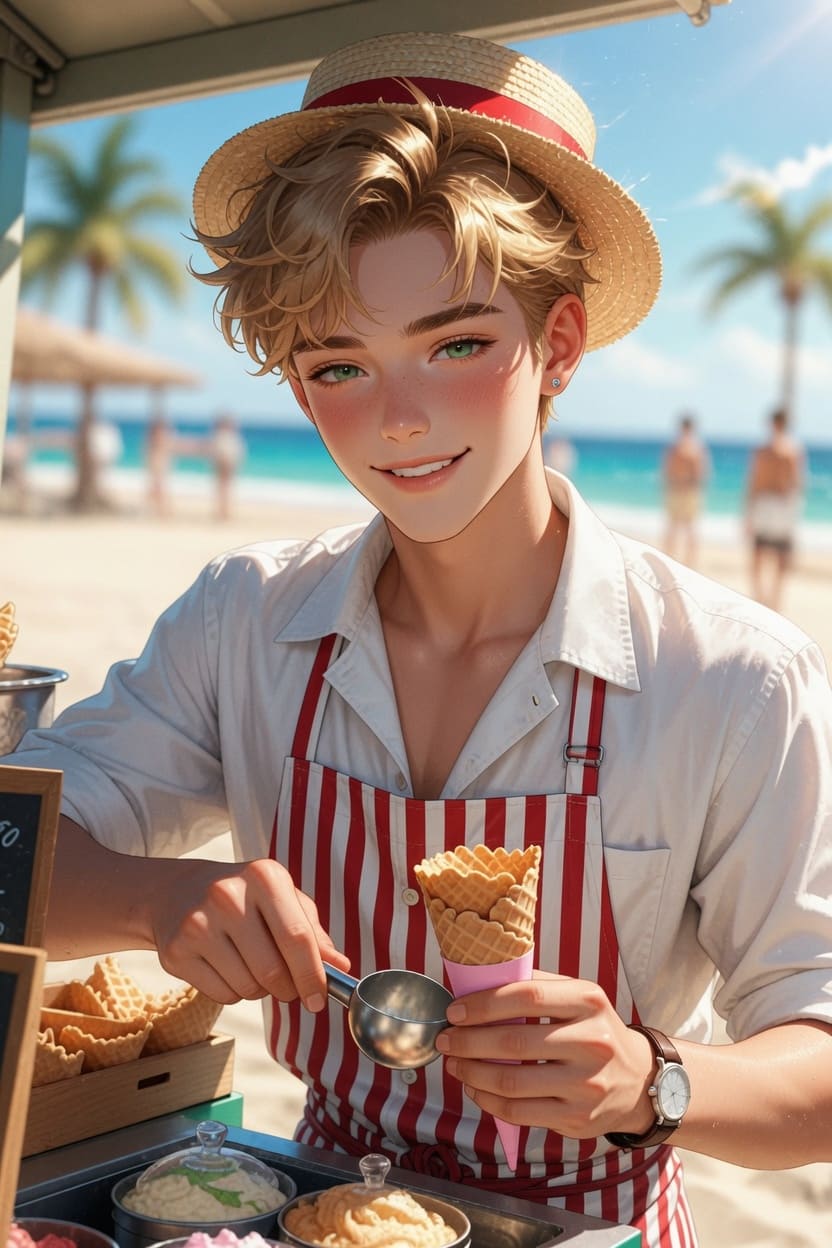


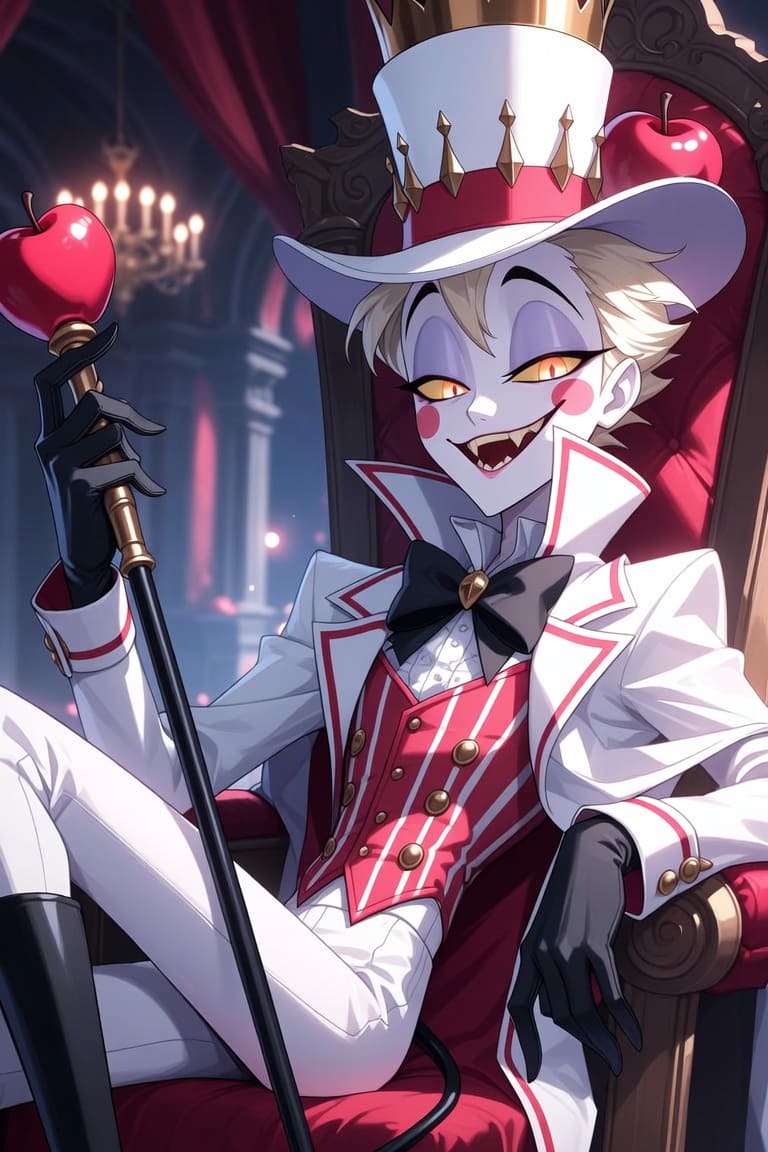

Swipe sideways
How to roleplay a BL scene with AI
Reading BL puts you in the audience. Roleplaying it puts you in the story — and that is a different kind of fun. Instead of watching two leads circle each other, you write one side of the scene and let an AI character play the other, holding his personality and answering whatever you throw at him. The trope builder above gives you a ready hook; here is how to turn it into a scene that actually breathes.
Start with a clear setup and a clear pace. Pick one of the classic frames — enemies to lovers, only one bed, childhood friends — and decide how fast it should move. BL lives on slow burn, so resist rushing; let the first few exchanges be about tension rather than declarations. Give your character a real personality with edges, and let the AI’s lead have them too, so the back-and-forth has friction instead of instant agreement.
Then lean into the genre’s strengths: the loaded pause, the thing left unsaid, the small gesture that means more than a speech. Write actions as well as dialogue, react to what the AI gives you rather than steamrolling it, and keep one eye on the emotional thread you are building. You control the heat entirely — keep it sweet and chaste, or switch on the 18+ mode when you want it. The scene is yours to direct, beat by beat.
That is the real promise of it: not just consuming a love story but co-writing one, with a partner who stays in character and follows your lead. Pick a male character, drop in your opening line, and you are no longer watching the slow burn — you are the one lighting it.
Step inside your own BL story
Choose a male character and play out the slow burn, the rivalry or the only-one-bed night — you write the scene, the AI plays the other lead.
Open male characters →free to start · in English · 18+ optional
Frequently asked questions
What is yaoi in simple terms?+
Yaoi is romance between two male characters, told mainly through manga, anime, novels and now live-action drama. The word started as a niche fan term for the explicit, plot-light end of the genre, but in everyday Western use it became a loose label for almost any male/male love story. Today most fans and publishers simply call the whole field BL, short for Boys’ Love, and reserve “yaoi” for the steamier titles.
What is the difference between yaoi and BL?+
BL (Boys’ Love) is the umbrella: every male/male romance, from a chaste hand-hold to an adult title. Yaoi historically sat at the explicit end of that umbrella — the corner of fan work that went straight to the bedroom. In Japan, BL is the standard industry word and yaoi means the spicy stuff. In the West the two got tangled, and many readers use them interchangeably. If you want one safe, modern term for the genre, use BL.
What does yaoi mean literally?+
It is a Japanese fan acronym: ya-ma nashi, o-chi nashi, i-mi nashi — “no climax, no point, no meaning.” It was a self-deprecating joke from doujinshi circles in the 1980s, poking fun at fan comics that skipped story and went straight to the romance and sex. The name stuck even as the genre grew into something far richer than the joke implied.
What is the difference between yaoi, shounen-ai and bara?+
Three points on a map. Shounen-ai is the soft, romance-forward end: longing and tenderness, little or no explicit content. Yaoi is the explicit end. Both are made largely by and for women and are gathered today under “BL.” Bara is a separate tradition — men-loving-men comics created mostly by and for gay men, with burlier body types and a different gaze. Outsiders lump bara in with BL, but it grew from its own scene.
What do seme and uke mean?+
They describe the dynamic between the two leads. The seme (from “to attack”) is usually the more dominant, pursuing partner; the uke (from “to receive”) is the one being pursued. They are roleplay shorthand for a relationship dynamic, not a rulebook, and the best stories play with them: a shy seme, a take-charge uke, or a couple who refuse to settle into either box. Plenty of modern BL drops the labels entirely.
Who reads yaoi and BL, and why?+
The core audience has always been women, alongside a large and growing queer readership of every gender. People come for different reasons: romance free of the gender power imbalance of many straight stories, a focus on emotional intimacy and slow-burn tension, beautiful art, and the freedom to project onto either lead. For many readers it is simply where the most heartfelt love stories happen to live.
Is yaoi the same as gay romance?+
They overlap but are not identical. Yaoi and BL are a genre and a fan tradition with their own conventions — seme/uke dynamics, particular tropes, a largely female creative base — that grew out of Japanese manga culture. “Gay romance” is a broader real-world category that includes literary fiction, Western queer novels and bara. A lot of BL is gay romance; not all gay romance is BL.
What are the most popular BL tropes?+
Reader favourites include enemies to lovers, childhood friends who realise it too late, the “only one bed” forced-proximity setup, fake dating that turns real, the cool senior and earnest junior pairing, and the slow burn where nothing is said for chapters. Office romances, band stories and supernatural settings are common backdrops. Most beloved titles simply combine a couple of these well and let the characters carry them.
Where can I start with BL?+
For something gentle and beloved, Given (a band romance) and Sasaki and Miyano (sweet, school-set) are easy entry points. Heaven Official’s Blessing offers epic fantasy romance, and the Thai BL drama wave is a fun live-action gateway. If you prefer to play rather than watch, you can step inside a BL-style scene yourself and direct it with an AI character on rpdate.
Can I roleplay a BL scene with an AI character?+
Yes. On rpdate you can pick a male character and play out a BL scene by its own conventions: enemies-to-lovers tension, a slow-burn confession, the only-one-bed night. You write the lines and set the pace, and the AI plays the other lead — holding his character and answering your moves. Keep it tender and slow, or turn the heat up; the 18+ mode is there if you want it and off if you do not.
What to read next
Terms and corners of romance fandom people look up alongside BL:
About The Author & Editorial Standards

RPDATE Editorial Team
Editorial pageEditorial Team
The RPDATE editorial team prepares practical guides on roleplay dialogue design, character dynamics, and scene structure. We focus on tested recommendations and clear product context.
This article is prepared by the RPDATE editorial team based on direct product usage, scenario testing, and platform-level comparison. We update guides when UX, pricing, filtering, or access conditions change.
What was tested:
- Real chat sessions with multiple character types and tags
- Conversation consistency, memory behavior, and prompt adherence
- Onboarding friction: signup, paywalls, platform constraints
Editorial policy
We separate observations from opinion, mark limitations explicitly, and avoid sponsor-driven ranking claims. If a section is outdated, we revise it after verification.
Verification & transparency
Recommended next reads
Gift from RPDATE - Balance Promo Code
Public promo code for blog readers: activate in your profile and get +5 balance bonus.
no activation limits