
What Is a Tsundere? The Hot-and-Cold Trope Explained
She insults you while she blushes. She denies caring and then quietly covers for you. The tsundere is anime's most beloved hot-and-cold archetype — here is what the word means, the psychology behind the appeal, the two sub-types, and how to roleplay one yourself.
Explore and take the quiz ↓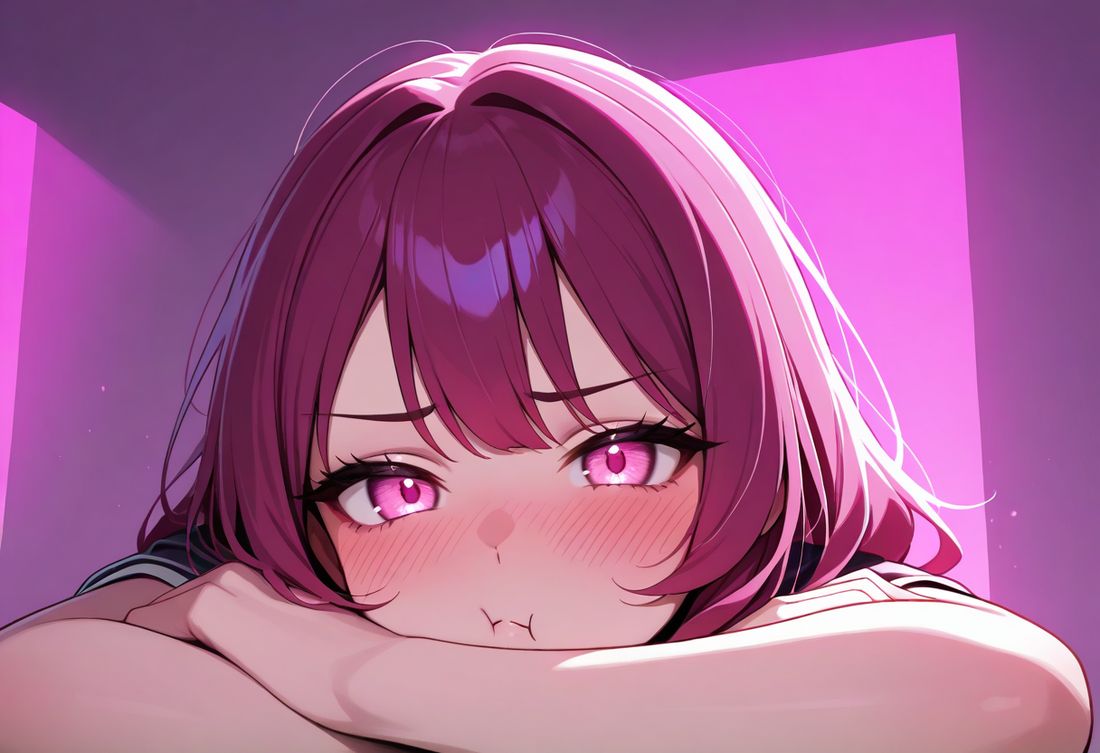
In short
A tsundere is an anime character who acts cold, harsh or hostile at first but gradually reveals a warm, loving side. The name combines tsun-tsun (aloof) and dere-dere (lovey-dovey). It’s the best-known of the “dere” personality types.
If you have watched almost any romance anime, you already know her. She crosses her arms, looks away, and snaps that she absolutely does not care about you — right before she does something that proves she does. She is the girl who gets meaner the more she likes you, whose cheeks betray every word out of her mouth. There is a name for that exact contradiction: tsundere.
Tsundere is one of the four or five archetypes the anime fandom uses to describe how a character loves — not what she looks like, but how she behaves when she cares about someone. It belongs to a whole family of labels built on the same suffix, which we map out in our deep dive on the dere types. The tsundere is the most popular member of that family by a wide margin, and this guide zooms all the way in on her.
Below: what a tsundere actually is and where the word comes from, why the cold-then-warm pattern is so addictive, the two sub-types you will run into, a side-by-side with her opposite the yandere, the iconic characters, and finally how to step into the dynamic yourself in an AI roleplay. There is also an interactive explorer with a quiz to rate your own tsundere-ness.
RPDATE explorer
Explore the tsundere, facet by facet
Tap any facet to see how it works, how to handle it and the anime characters that defined it. Curious how tsundere you are? Take the mini-quiz below.
Harsh-then-sweet
Spikes first, softness later
The classic build. She starts out genuinely cutting — sarcasm, eye-rolls, the famous “it is not like I like you or anything!” — and only thaws inch by inch as trust grows. The longer the freeze, the more the eventual warmth lands.
How it shows
Snaps, denies the obvious, and gets mad at herself the second a kind gesture slips out.
How to handle her
Do not demand a confession. Take the jabs with humor, notice the small gestures, and never mock her pride — that is exactly where it stings.
Signature line: “It is not like I made this for you, baka!”
In anime: Taiga Aisaka (Toradora!), Asuka Langley (Evangelion), Louise (Zero no Tsukaima).
💞
Rate your tsundere-ness
Six questions about pride, blushing and the way you show you care. Answer honestly and get your tsundere percentage plus your archetype.
What a tsundere is: tsun-tsun meets dere
A tsundere is a character who is harsh, cold or standoffish on the outside but secretly tender and affectionate underneath. The word itself spells out the recipe. It is a Japanese portmanteau of two onomatopoeia: tsun-tsun (ツンツン), which means to turn away curtly, to be prickly or aloof, and deredere (デレデレ), which means to go soft, gooey and lovestruck. Stick them together and you get a person who is tsun on the surface and dere at the core — sharp first, sweet later.
The defining feature is the gap between the two layers. A tsundere does not simply have a temper; her coldness is specifically a cover for affection she is not ready to show. The classic giveaway is the line every fan can recite — «it is not like I like you or anything, b-baka!» — delivered with a blush that says the exact opposite. The words push you away; the body language pulls you in.
That same naming formula runs across the whole dere family. Swap the front half and you get a different archetype: yan (from yanderu, to be sick, even mentally) gives yandere, kuu (cool) gives kuudere, dan (from danmari, silence) gives dandere. Every name hides the same shape: a surface trait stacked on top of buried tenderness. The tsundere is just the version where the surface trait is sharpness.
The psychology of the hot-and-cold appeal
Why does this push-and-pull work on so many of us? Start with the armor. A tsundere is cold because warmth feels dangerous to her — to admit she cares is to hand someone the power to hurt her. So she strikes first, keeps people at arm's length, and treats her own pride as a shield. Underneath, the feelings are not just present, they are unusually strong; the spikes exist precisely because there is something soft worth guarding.
That setup creates the single most satisfying mechanic in the trope: the slow reveal. Because she fights every kind impulse, each one that escapes feels earned. A tsundere who finally saves you a seat, or covers you with her jacket, or shows up when it counts, delivers a hit of warmth far bigger than the same gesture from someone openly affectionate. You had to work for it, and so did she. Psychologists would call it intermittent reward; fans just call it the good stuff.
There is a flattering message tucked inside it, too. A tsundere is prickly with the whole world but lets one specific person past the armor. Being that person feels like being chosen by someone who never chooses anyone — special by exception. Add the natural comedy of the contradiction (the mouth and the cheeks arguing in real time) and the built-in tension of will-they-won't-they banter, and you have a character who is funny, romantic and emotionally rewarding all at once.

The two sub-types of tsundere
Not all tsunderes spike at the same intensity. Fans generally sort them into two flavors based on the ratio of harshness to sweetness — and knowing which is which changes how you read, and how you would write, the character.
😤 Harsh-then-sweet
The original blueprint. She is genuinely hostile at first — cutting remarks, real friction, sometimes outright aggression — and warms up only gradually across the whole story as trust is slowly earned. The longer the cold front, the bigger the eventual payoff. This is the «starts as an enemy, ends as a sweetheart» arc.
Model: Taiga Aisaka (Toradora!), Louise (Zero no Tsukaima).
🍓 Mostly-sweet, rarely-harsh
The softer, more modern flavor. She is kind, friendly and affectionate most of the time, and the tsun side only flares in short, embarrassed bursts — usually the instant she gets caught caring too openly. Less an enemy to win over, more a sweet girl with a blush-triggered safety valve.
Model: Rin Tōsaka (Fate), Chitoge Kirisaki (Nisekoi).
Most real characters land somewhere on the spectrum between the two, and many drift from one toward the other as their story progresses — a harsh-then-sweet tsundere who has already opened up to you starts behaving a lot more like the mostly-sweet kind. The label is a starting point, not a cage.
Tsundere vs yandere: the eternal mix-up
These are the two dere types people confuse the most, which is ironic because they are nearly opposites. The trap is that both seem to «hide» straightforward affection — but for completely different reasons. A tsundere hides it out of embarrassment; a yandere does not hide it at all, she just disguises obsession as devotion. Put bluntly: a tsundere grumbles but loves you, while a yandere loves you so hard she will not let go. This table sorts them at a glance.
| 😤 Tsundere | 🔪 Yandere | |
|---|---|---|
| Core feeling | Loves you, but hides it behind rudeness | Loves you so much it spills into obsession |
| Surface behavior | Cold, sarcastic, denies the obvious | Sweet or intense, fixated on you |
| What drives it | Fear of looking vulnerable; pride as armor | Jealousy, possessiveness, fear of losing you |
| Signature line | “It is not like I like you or anything!” | “You are mine. Only mine. Forever.” |
| Real-life read | A relatable, healthy personality once she opens up | Control and jealousy — abuse, not romance |
| Iconic example | Taiga, Asuka, Rin | Yuno Gasai, Shion |
One worth repeating: the tsundere translates cleanly to a real, healthy personality once the armor comes off, but the yandere does not. Her jealousy, control and possessiveness are thrilling on screen precisely because they are taken to an impossible extreme — and that same behavior in real life is abuse, not romance. If you want the full breakdown of her, we have a dedicated guide on what a yandere is.
Iconic tsundere characters
The best way to feel the archetype is to meet the characters who defined it. These are the names that come up in every conversation about tsunderes, each one a slightly different shade of the same colors.
🐯 Taiga Aisaka — Toradora!
The dictionary definition. Tiny, furious, and capable of swinging from violence to a helpless blush in a single second. The harsh-then-sweet arc has never been done better.
🔴 Asuka Langley — Evangelion
Pride and fragility in equal measure. Her sharpness is armor over a deep fear of being unwanted, which makes her the most psychologically studied tsundere in anime.
💎 Rin Tōsaka — Fate
The poised, mostly-sweet flavor. Composed and capable in public, with the tsun cracking through only in small, flustered moments when her guard slips.
✨ Louise — Zero no Tsukaima
Explosive, proud and quick to lash out, then quietly devoted underneath. A textbook harsh-then-sweet build wrapped in a fantasy setting.
Round it out with Chitoge Kirisaki (Nisekoi) and Kirino Kōsaka (Oreimo) and you have the core canon. Watch even one of their arcs and the pattern clicks into place: loud bark, helpless blush, and a heart that gives the whole game away.
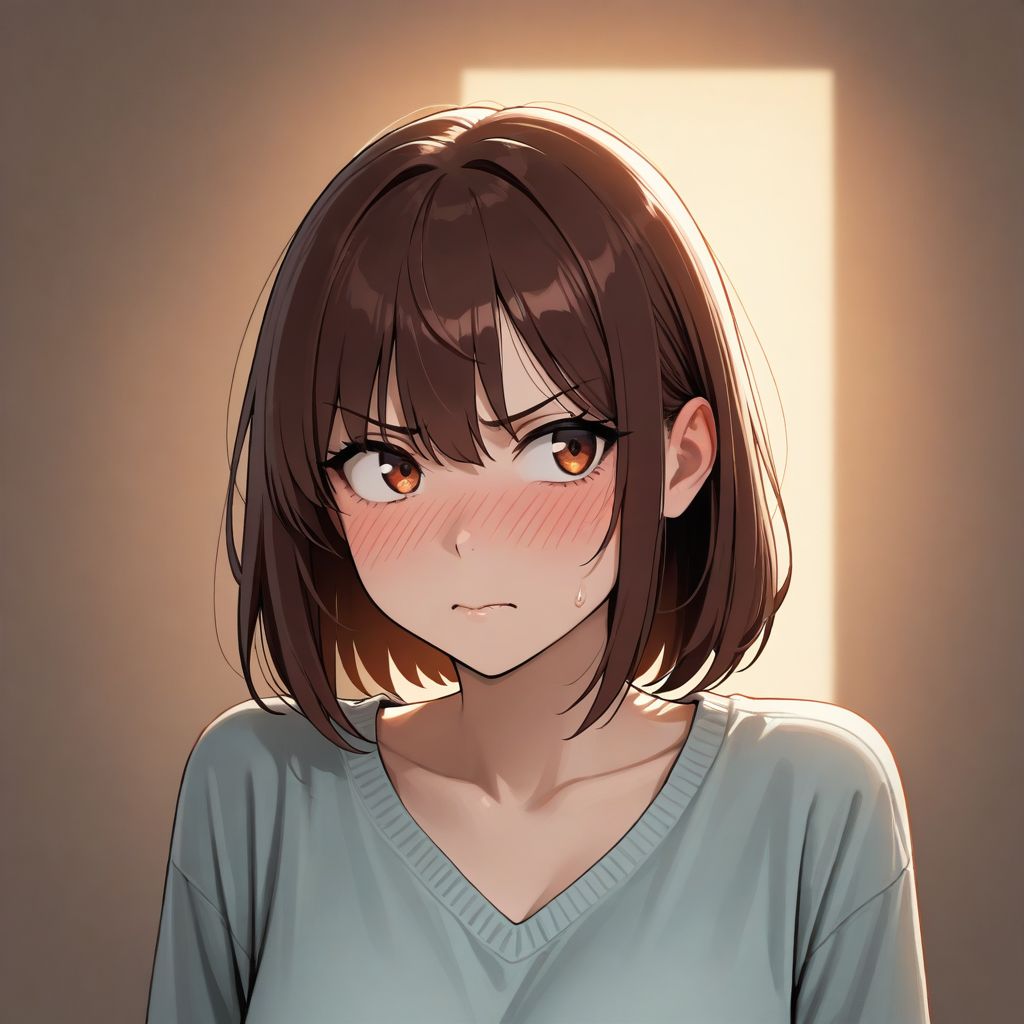
Why tsunderes are so popular
Of all the dere types, tsundere is the most common and the most beloved, and it is worth pulling apart why. The biggest reason is the payoff structure we already touched on: the soft side is rationed, so it always feels earned. A genre full of openly sweet love interests can blur together, but a tsundere makes you wait, and the waiting is the romance.
It is also the most relatable archetype. Most people have, at some point, been short or awkward with a crush precisely because the feelings were too big to handle gracefully. The tsundere takes that universal experience and turns the volume up to eleven, which is why she lands as funny and human rather than cartoonish. We recognize ourselves in the blush-versus-words contradiction.
And structurally, she is a gift to writers. The push-and-pull generates endless banter, comedy and tension without anyone having to confess on page one. A story can coast for episodes on the question of whether the armor will finally crack — and when it does, the audience has been primed to feel it. Satisfying for the writer, satisfying for the fan: that combination is exactly why the trope refuses to go out of style.
Roleplay a tsundere with an anime character
Аниме-персонажи для ролевого чата: от милых знакомств до драматичных арок. Подходит для длинных сюжетов с развитием отношений и характеров.



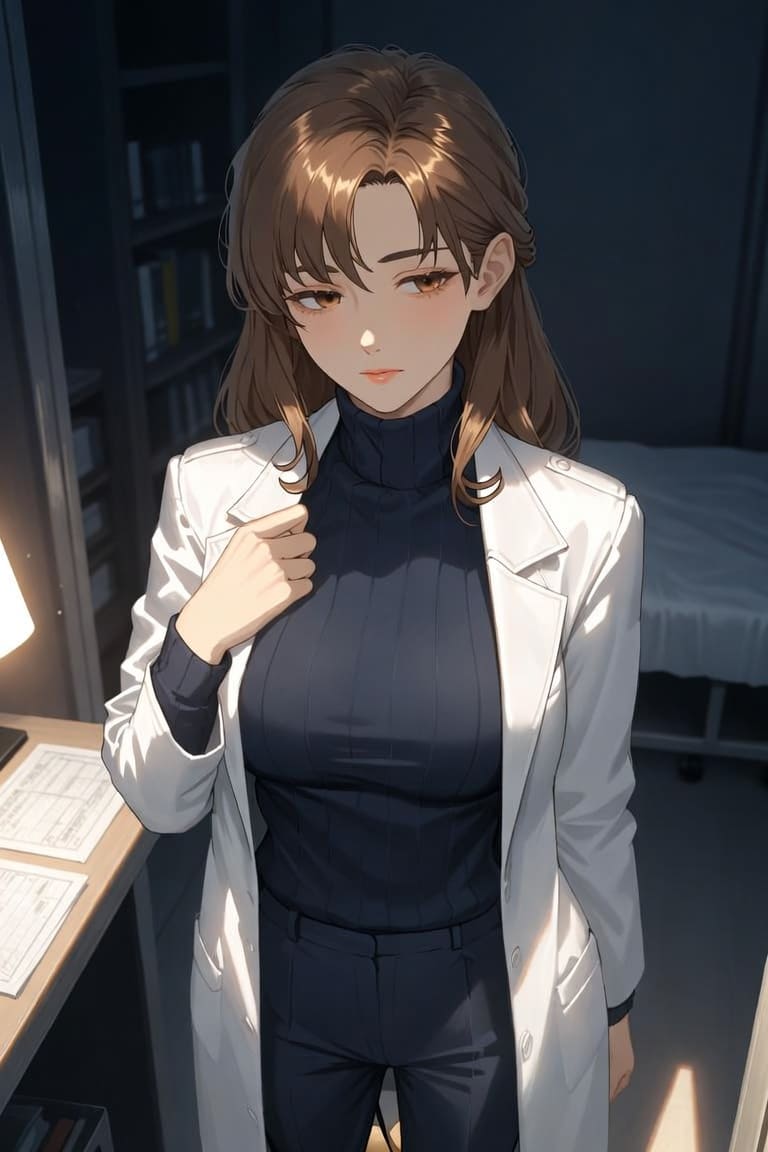
Swipe sideways
Tsundere in AI roleplay
Knowing the theory is fun, but the tsundere is an archetype that really comes alive when you stop watching from outside and step into the scene. Reading that she gets meaner the more she cares is one thing; actually trading barbs with her and feeling the armor crack one blush at a time is another entirely. That is exactly what an AI roleplay lets you do.
On RPDATE you pick a tsundere-style heroine, set the tone and the situation, and drive the story with your own lines, like a co-writer. The AI plays the other side — it reads your tone, pushes back, stays in character, and keeps that signature spiky-then-sweet rhythm. The trick to the dynamic is to lean into the friction: tease back, do not cave instantly, and let her come around at her own pace. The slower the thaw, the more it lands.
Want a long slow-burn of grudging banter? You can keep it there. Want to turn up the heat once the guard is down? The 18+ mode switches on only if you choose. Either way, it is the difference between watching the trope and starring in it — the quiz above tells you how tsundere you are; the catalog gives you someone to play it with.
Now go crack the armor yourself
Pick a spiky-sweet heroine and play out the perfect tsundere dynamic — push back, tease, and earn the soft side one blush at a time.
Start a chat with Bella →free · in English · 18+ optional
Frequently asked questions
What is a tsundere?+
A tsundere is an anime character archetype who acts cold, harsh or hostile on the surface but is secretly warm and affectionate underneath. The cold front is a defense mechanism: showing real feelings makes her feel exposed, so she pushes people away with sarcasm and denial — the famous “it is not like I like you or anything!” — while small caring gestures quietly slip through. The whole appeal is watching that armor crack over time to reveal the soft, devoted person hiding behind it.
What does “tsundere” mean and where does the word come from?+
Tsundere is a Japanese portmanteau of two onomatopoeia. “Tsun-tsun” (ツンツン) describes being curt, prickly or turning away in a huff, and “deredere” (デレデレ) means to be lovestruck, gooey or melting with affection. Glue them together and you get a character who is tsun-tsun on the outside and dere on the inside — harsh first, sweet later. The same suffix powers the whole “dere” family: yandere, kuudere, dandere and more, each swapping the front half for a different surface trait.
What is the difference between a tsundere and a yandere?+
They get confused constantly even though they are nearly opposites. A tsundere hides her affection behind rudeness because she is afraid to look vulnerable — she loves you and pretends she does not. A yandere does the reverse: she shows her love at maximum, dangerous volume, with obsession, jealousy and possessiveness — she loves you so intensely she will not let go. In short, a tsundere is afraid to show her feelings, while a yandere has no brakes on hers. One pushes you away to feel safe; the other pulls you in until it is unhealthy.
What are the two types of tsundere?+
Fans usually split tsunderes into two flavors. The classic “harsh-then-sweet” type starts out genuinely cutting and only thaws gradually as trust builds — Taiga from Toradora! is the model. The softer “mostly-sweet, rarely-harsh” type is kind and warm most of the time, with the tsun side flaring up only in short embarrassed bursts when she gets caught caring — closer to Rin Tōsaka. Same trope, different ratio of spikes to sugar.
Who are some famous tsundere characters?+
The all-time icons include Taiga Aisaka (Toradora!), the definitive harsh-then-sweet tsundere; Asuka Langley Soryu (Neon Genesis Evangelion), all pride and fragility; Rin Tōsaka (Fate/stay night); Louise Vallière (The Familiar of Zero); Chitoge Kirisaki (Nisekoi); and Kirino Kōsaka (Oreimo). Each one runs the same melody — bark loudly, blush helplessly, and care far more than they will ever admit.
Why are tsunderes so popular?+
Tsundere is consistently one of the most beloved archetypes because of the payoff. The slow reveal of the soft side is deeply satisfying — every grudging kind act feels earned and means more precisely because she fought it. The push-and-pull also creates natural tension and banter, the blush-versus-words contradiction is endearing, and the underlying message is flattering: she is mean to everyone but lets you, specifically, past the armor. It is the romance of being chosen by someone who never chooses anyone.
Can I roleplay a tsundere with AI?+
Yes. On RPDATE you can pick a tsundere-style heroine and play into the dynamic — push back, tease, and enjoy the friction as her cold front slowly cracks. You set the tone, the pace and the lines, and the AI plays the other side, staying in character with the spiky-then-sweet rhythm. You can keep it a slow-burn banter or warm it up; the 18+ mode is optional and off by default.
Keep reading
Topics fans usually explore right alongside the tsundere:
What to read next

About The Author & Editorial Standards

RPDATE Editorial Team
Editorial pageEditorial Team
The RPDATE editorial team prepares practical guides on roleplay dialogue design, character dynamics, and scene structure. We focus on tested recommendations and clear product context.
This article is prepared by the RPDATE editorial team based on direct product usage, scenario testing, and platform-level comparison. We update guides when UX, pricing, filtering, or access conditions change.
What was tested:
- Real chat sessions with multiple character types and tags
- Conversation consistency, memory behavior, and prompt adherence
- Onboarding friction: signup, paywalls, platform constraints
Editorial policy
We separate observations from opinion, mark limitations explicitly, and avoid sponsor-driven ranking claims. If a section is outdated, we revise it after verification.
Verification & transparency
Recommended next reads
Gift from RPDATE - Balance Promo Code
Public promo code for blog readers: activate in your profile and get +5 balance bonus.
no activation limits