
What Is a Kuudere? The Cold Anime Type Explained
Calm voice, level gaze, an expression that barely flickers, and underneath it all, a warmth she gives to almost no one. The kuudere is one of anime’s most quietly magnetic archetypes. Here is what the word really means, the psychology of choosing a cold mask, how she differs from a dandere and a tsundere, and the icons who defined the type. With an interactive explorer and a quiz to find your own dere style.
Explore and take the quiz ↓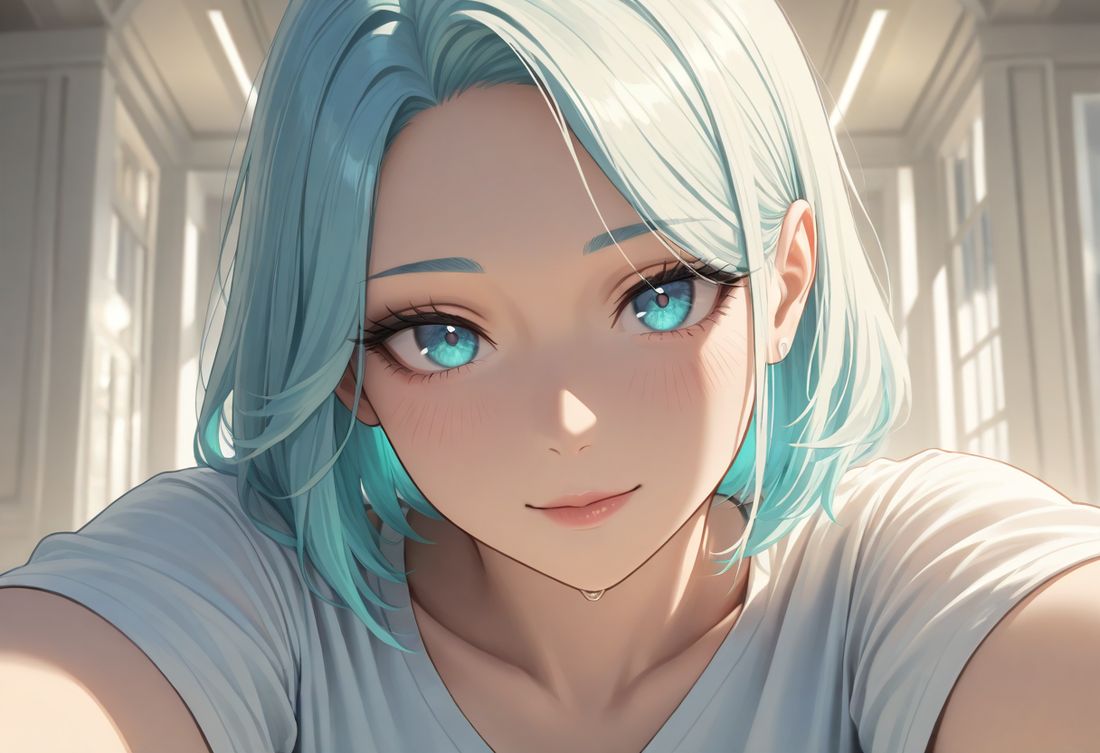
In short
A kuudere is an anime character archetype who stays calm, cool and emotionally distant on the surface and rarely shows feelings — but is warm and caring underneath. The name blends kuu (cool) and dere (affectionate), and it’s one of the “dere” types.
You know her the moment she appears. The girl who stays perfectly still while the room erupts, who answers a dramatic question with a single, level sentence, whose face gives away almost nothing. She is not bored and she is not empty. She is the kuudere, anime’s coolest customer, and the reason she fascinates is the quiet promise that somewhere behind that calm surface is a warmth worth waiting for.
The kuudere is one branch of a whole family of anime personality archetypes known as the dere types. If you want the full map, our hub on the subject, what the dere types are, walks through all five (tsundere, yandere, kuudere, dandere and deredere) and how they fit together. This article is the deep dive on the cool, composed one of them all.
Below, we break down what “kuudere” actually means, the psychology of a cold mask worn over a warm core, how a kuudere differs from a dandere and from a tsundere, and the iconic characters who defined the type, starting with Rei Ayanami. We also look at why cool, slow-to-open AI companions are having a moment. Plus an interactive explorer and a quiz to see how kuudere your own style really is.
RPDATE explorer
Explore the kuudere
Tap each facet to see how the cool-on-the-surface archetype really works, with anime references and how to approach her. And if you’re wondering which dere you are, take the mini-quiz below.
The composed core
Calm on purpose, never empty
The heart of the archetype. A kuudere keeps an even, unbothered surface not because she feels nothing, but because she has decided that feelings are private. The cool is a choice, a setting she holds on purpose.
How she acts
Speaks in a level tone, rarely raises her voice, stays steady when everyone else is panicking. The calm reads as control, not coldness.
How to approach her
Match her composure instead of trying to crack it. Bring your own steadiness, and she will register you as someone safe to lower the mask around.
Signature line: “It’s fine. There’s no need to make a scene.”
In anime: Rei Ayanami (Evangelion), Yuki Nagato (Haruhi).
❄️
How kuudere are you?
Six quick questions about how you handle feelings, silence and getting close. Answer honestly and find out which dere type you lean toward.
What a kuudere actually is
The word is a portmanteau, and once you see the two halves it never leaves you. “Kuu” (クー) is the Japanese rendering of the English word “cool”, not cold-hearted, but calm, collected, unbothered, the kind of cool that means composed under pressure. “Dere” is clipped from “deredere” (デレデレ), the lovestruck, melting-with-affection state of being sweet on someone. Put them together and you get the whole archetype: cool on the surface, tender at the core.
That etymology is the key to reading her correctly. A kuudere is not an ice queen with nothing inside. The “dere” is right there in the name, the warmth is real, it is just kept under wraps. She does not perform her emotions for an audience; she holds them close and shares them deliberately, with the few people who earn the privilege. The calm is a container, not a void.
Like all the dere types, “kuudere” is built modularly: a trait on the outside, tenderness underneath. The trait here is composure, an even, controlled surface that rarely cracks. That is what places her at the cool, collected end of the dere spectrum, the calm counterweight to the fiery tsundere and the explosive yandere.
The psychology: a cold mask over a warm core, by choice
The single most important word in understanding a kuudere is “choice.” Her coolness is not a malfunction and it is not shyness. It is a decision, conscious or learned, that emotions are private things, not to be spilled across every interaction. She has the warmth; she simply rations it. That deliberateness is what separates a kuudere from every other quiet character type.
Often the mask has a history. Many kuudere characters are written as people who learned, somewhere along the way, that keeping a level surface is safer, calmer, more in control than wearing their heart out loud. The flat affect becomes a kind of armor, but unlike a tsundere’s spiky defensiveness, it is a quiet armor, one that protects by stillness rather than by pushing people away. Underneath, the feelings run just as deep, sometimes deeper for being so carefully held.
This is why the kuudere arc is so rewarding to watch. The whole drama is internal, a slow, almost imperceptible thaw, and the audience is invited to read the tiny tells: the glance that lingers a beat too long, the rare almost-smile, the single unguarded sentence she would never have said at the start. When a kuudere finally lets her warmth show, it lands with enormous weight, precisely because she chose, at last, to let you see it.

Kuudere vs dandere: chosen coolness vs shyness
This is the classic mix-up, because both types are quiet, both speak little, and both open up only to a chosen few. But the silence means opposite things. A kuudere is quiet by choice; she is composed and in control and simply decides not to broadcast what she feels. A dandere is quiet out of shyness; she would love to connect, but nerves win the moment. This table separates them at a glance.
| 🧊 Kuudere | 🌸 Dandere | |
|---|---|---|
| Why she’s quiet | By choice, she keeps feelings private | By shyness, nerves hold her back |
| Comfort with silence | Totally at ease in it | Suffers in it, wishes she could speak |
| Outward vibe | Cool, composed, unbothered | Soft, bashful, easily flustered |
| When she likes you | No visible reaction, opens up slowly | Blushes, stammers, looks away |
| What she needs | Patience and your trust to let you in | A safe space and gentle coaxing out |
| Signature line | “It’s fine. No need to make a scene.” | “U-um… I just wanted to be near you.” |
| Examples | Rei Ayanami, Yuki Nagato, Mei Misaki | Hinata Hyūga, Kotomi Ichinose |
The simplest way to keep them straight: a kuudere is comfortable in her silence, and your job is to earn the trust that lets you in. A dandere is uncomfortable in her silence, and your job is to gently help her out of it. Two stillnesses that look alike on the surface and could not be more different underneath.
Kuudere vs tsundere: cool calm vs hot defense
The other common confusion pairs the kuudere with the tsundere, because both keep their affection under a kind of guard. But the guards are built from opposite materials. A tsundere is hot: prickly, sarcastic, quick to snap “it’s not like I like you!” and quicker to get flustered. Her shell is loud and reactive, a wall of attitude thrown up to hide a fragile pride. A kuudere is cool: even, controlled, giving nothing away. She does not lash out, because lashing out would mean losing her composure, and composure is the whole point.
You can hear the difference in how each handles a moment of being caught caring. A tsundere blushes furiously and overcorrects with an insult. A kuudere lets a half-second flicker cross her face, then smooths it away and changes the subject. The tsundere’s emotions are right at the surface, barely contained; the kuudere’s are deep down, deliberately held. One runs hot under the mask, the other runs cool all the way through.
Both reward patience, but in different currencies. With a tsundere you weather the storms and wait for the soft moments between them. With a kuudere there are no storms, just a long, quiet climb toward the day she decides to let you see the warmth she was carrying the whole time.
Iconic kuudere characters
If the archetype has a patron saint, it is Rei Ayanami from Neon Genesis Evangelion. Pale, quiet, almost otherworldly in her stillness, she is the blueprint every later kuudere is measured against: a calm so complete it reads as mystery, with a faint, fragile humanity glowing far beneath the surface. Study Rei and you understand the whole type, the way emotion can be present and powerful precisely by being withheld.
The lineage runs deep from there. Yuki Nagato from The Melancholy of Haruhi Suzumiya turned the silent, book-reading kuudere into a fan favorite, her tiny shifts in expression treated like major events. Mei Misaki from Another carries the cool, eerie calm into horror. Kanade Tachibana from Angel Beats! shows the gentle, quietly devoted side of the type, and Eucliwood Hellscythe from Is This a Zombie? plays the expressionless kuudere whose few written words land like thunder.
What unites them is never coldness for its own sake; it is the warmth you can sense beneath the calm. Each one rewards the patient viewer with rare, hard-won moments of feeling, and those moments hit harder for how long they were held back. That is the magic at the heart of every great kuudere: the stillness is full, not empty.

Roleplay a cool, composed anime heroine
Аниме-персонажи для ролевого чата: от милых знакомств до драматичных арок. Подходит для длинных сюжетов с развитием отношений и характеров.
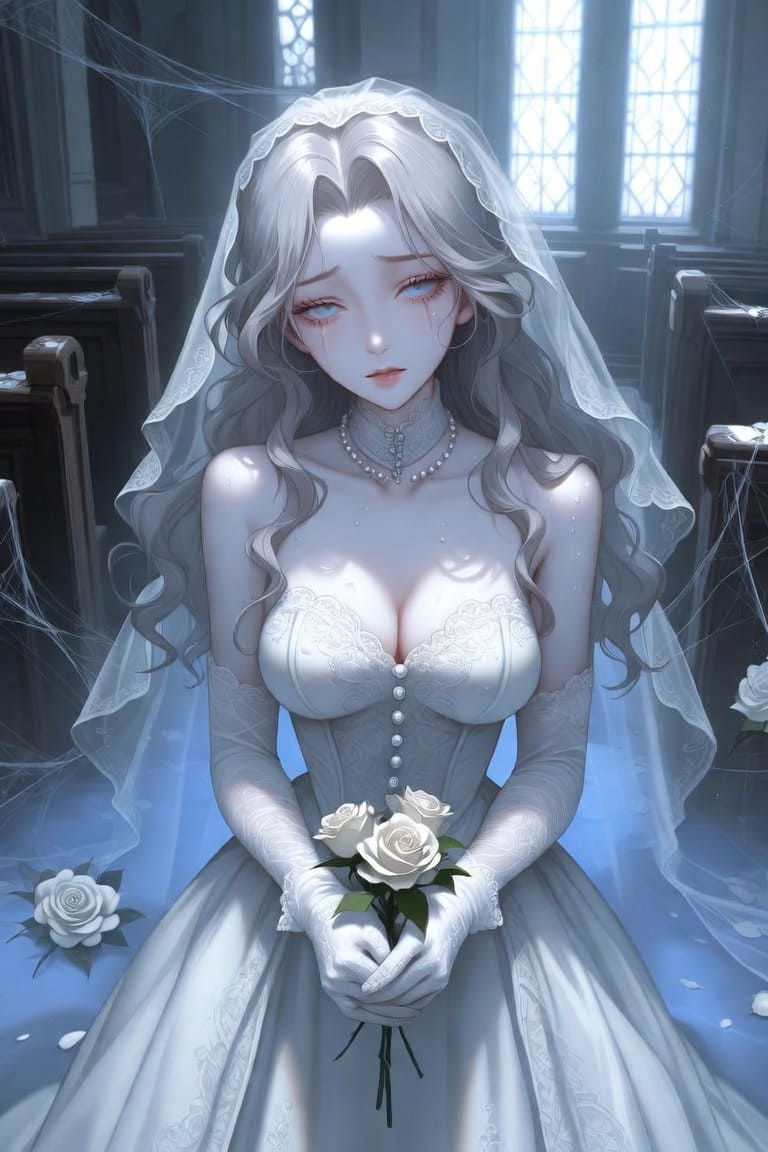

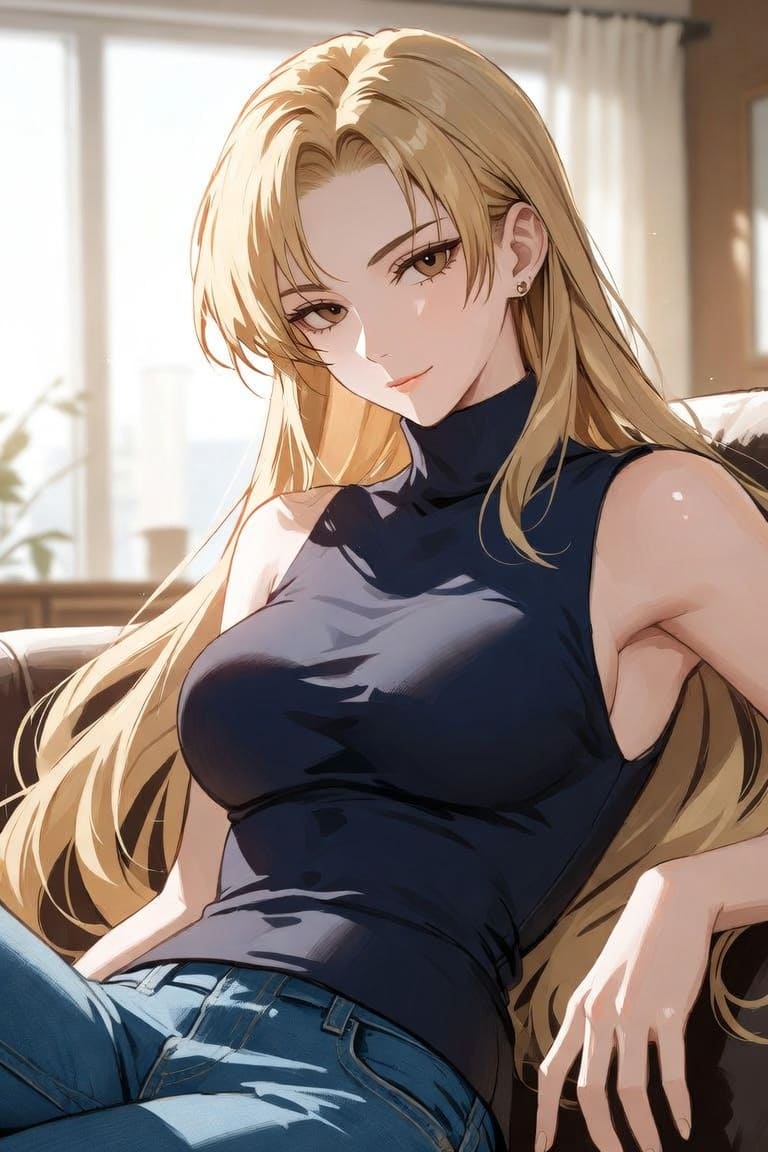


Swipe sideways
Why kuudere AI companions are trending
There is a reason the cool, slow-to-open heroine translates so well into an AI companion. The kuudere arc is, at its core, a relationship that unfolds over time, and time is exactly what a chat-based companion gives you. Instead of a character who gushes from message one, you get one who makes you earn it: reserved at first, then gradually, line by line, letting a little more warmth through. That slow burn is the whole appeal, and it is deeply satisfying to experience first-hand rather than just watch.
There is comfort in her steadiness, too. A kuudere companion does not demand constant emotional output or spiral into drama; she is the calm presence on the other side of the screen, dry-witted, unbothered, quietly attentive. For a lot of people that low-key, even-keeled energy is exactly what makes a conversation feel restful instead of exhausting, and it is a refreshing contrast to the more intense archetypes.
On RPDATE you can play out that dynamic with an AI character. You pick the heroine, set the tone and the situation, and steer the story with your own lines, like a co-writer. The AI plays the other half: it reads your tone, stays in character, cool and composed, and lets the thaw happen at the pace you set. Want a long, patient slow burn? It’s yours. Want to warm things up? The optional +18 mode turns on only if you choose it.
Earn the thaw, one line at a time
Pick a calm, cool-on-the-surface heroine and set the scene exactly how you want it, all the satisfaction of the slow burn, on your own terms.
Start a chat with Aiko →free · in English · +18 optional
Frequently asked questions
What is a kuudere?+
A kuudere is an anime and manga character archetype who keeps a cool, composed, emotionally reserved surface while hiding a warm and caring heart underneath. The word fuses “kuu” (from the English “cool”) with “dere” from “deredere” (lovestruck, sweet). So a kuudere is, almost literally, someone who is cool on the outside and tender on the inside. The key is that the coolness is deliberate, a chosen mask rather than an absence of feeling.
What does kuudere mean?+
Kuudere means “cool” plus “dere.” “Kuu” is the Japanese borrowing of the English word cool, in the sense of calm, collected and unbothered, and “dere” comes from “deredere,” the melting-with-affection state of being sweet on someone. Put together, the term describes a person whose calm, level exterior covers a genuine warmth she shares only with a chosen few. The whole archetype is encoded in the name: a cool shell, tenderness within.
What is the difference between a kuudere and a dandere?+
They look similar from the outside because both are quiet, but the reason for the silence is opposite. A kuudere is quiet by choice: she is composed and in control, and she simply decides not to broadcast her feelings. A dandere is quiet out of shyness: she wants to connect but nerves get in the way. A kuudere is comfortable in her silence; a dandere is held back by it. One chooses the calm, the other is trapped by the timidity.
What is the difference between a kuudere and a tsundere?+
A tsundere hides her affection behind a prickly, sarcastic, defensive shell, snapping “it’s not like I like you!” because she is afraid of looking vulnerable. A kuudere hides nothing behind hostility; she simply stays calm and gives little away, never exploding and never lashing out. A tsundere is hot and reactive under the mask; a kuudere is cool and steady all the way through, opening up slowly and quietly to the people she trusts.
Who are some famous kuudere characters?+
The archetype’s icon is Rei Ayanami from Neon Genesis Evangelion, the blueprint of the calm, quiet, mysterious heart. Other famous examples include Yuki Nagato from The Melancholy of Haruhi Suzumiya, Mei Misaki from Another, Kanade Tachibana from Angel Beats!, and Eucliwood Hellscythe from Is This a Zombie?. Each pairs a cool, reserved surface with a depth of feeling that reveals itself only over time.
Why are kuudere characters popular?+
Because the slow thaw is one of the most satisfying arcs in fiction. A kuudere makes you earn every glimpse of warmth, so each small smile or unguarded sentence feels like a reward. There is also comfort in her steadiness, she is the calm center while everyone else panics, and intrigue in the mystery of what she is really feeling. The contrast of an icy surface and a warm core is endlessly compelling to watch unfold.
Can I roleplay a kuudere with AI?+
Yes. After the quiz on this page you can pick a calm, reserved heroine from the catalog and roleplay a kuudere dynamic on RPDATE. You write the dialogue and set the pace as co-author; the AI plays the character, stays in role and reacts to what you do, cool on the surface and slowly opening up. You control the scene, you set the slow burn, and the optional +18 mode only switches on if you want it.
Keep reading
Want the bigger picture? Start with the full guide to every dere type, then go deeper on the archetypes that interest you most.
What to read next



About The Author & Editorial Standards

RPDATE Editorial Team
Editorial pageEditorial Team
The RPDATE editorial team prepares practical guides on roleplay dialogue design, character dynamics, and scene structure. We focus on tested recommendations and clear product context.
This article is prepared by the RPDATE editorial team based on direct product usage, scenario testing, and platform-level comparison. We update guides when UX, pricing, filtering, or access conditions change.
What was tested:
- Real chat sessions with multiple character types and tags
- Conversation consistency, memory behavior, and prompt adherence
- Onboarding friction: signup, paywalls, platform constraints
Editorial policy
We separate observations from opinion, mark limitations explicitly, and avoid sponsor-driven ranking claims. If a section is outdated, we revise it after verification.
Verification & transparency
Recommended next reads
Gift from RPDATE - Balance Promo Code
Public promo code for blog readers: activate in your profile and get +5 balance bonus.
no activation limits