What Is Hentai? A Guide to the Adult Anime Art Form
Hentai is a Japanese loanword used internationally to describe explicit adult animation, comics, and digital art. The term covers an enormous variety of artistic styles and erotic fantasies, from soft romantic scenes to elaborate supernatural adventures. Understanding hentai means understanding an entire visual culture of adult storytelling that has become a global phenomenon.
Chat with Anime Characters ↓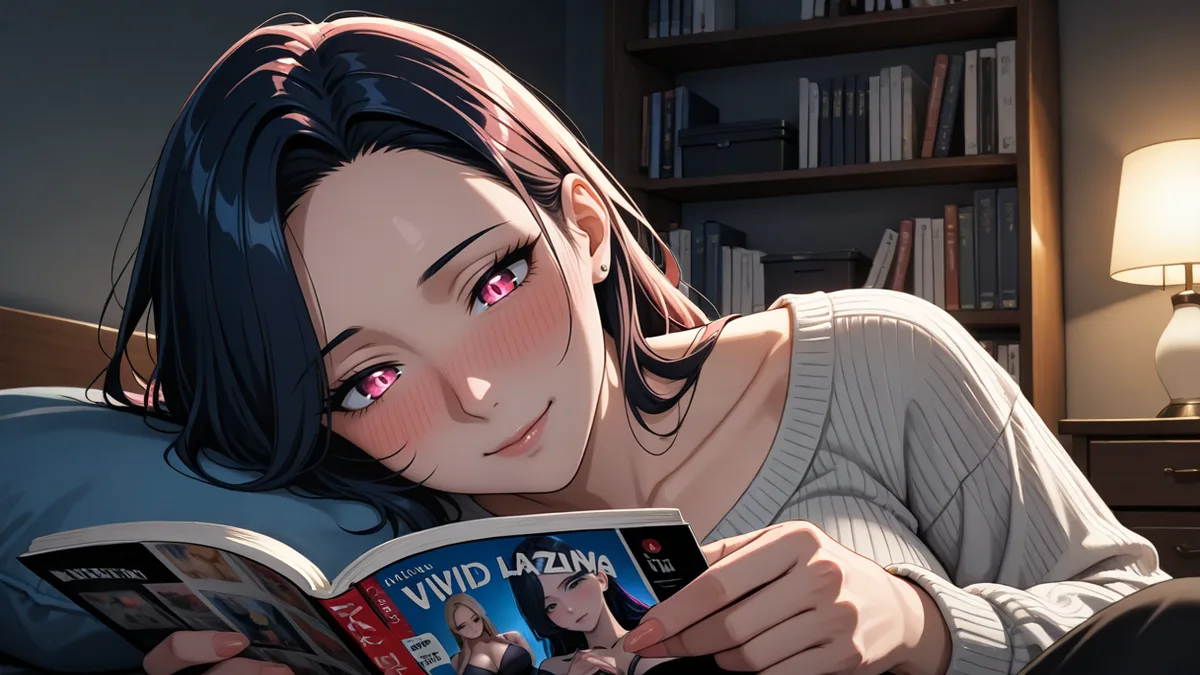
In short
Hentai is the international term for explicit Japanese-style adult animation, manga, and digital artwork. Originally a Japanese word meaning “pervert” or “transformation,” it now refers to illustrated and animated works that depict sexual content through stylized, often highly imaginative characters and scenarios found in anime and manga culture.
Origin and Etymology of the Word Hentai
In Japanese, the word hentai (変態) literally translates to “transformation” or “metamorphosis,” with the kanji 変 (hen) meaning “change” and 態 (tai) meaning “state” or “condition.” Over the twentieth century, the term took on a colloquial meaning of “pervert” or “abnormal,” often shortened from the phrase hentai seiyoku, meaning “perverted sexual desire.”
The word traveled into Western anime fandom during the 1990s as importers and fans needed a label for the growing body of Japanese adult comics, games, and animation. Rather than using clinical terms like “adult anime” or “cartoon pornography,” fans adopted the Japanese word, giving it a distinct cultural flavor. Today hentai functions less as a technical category and more as a familiar umbrella term for any explicit animated or illustrated content rooted in Japanese visual aesthetics, including works produced outside Japan.
| Term | Japanese Origin | Meaning in Practice | Explicitness Level |
|---|---|---|---|
| Hentai | 変態 (hentai) | Explicit adult anime, manga, or art | Full sexual content, graphic |
| Ecchi | エッチ (etchi) | Suggestive, teasing, boundary-pushing | Partial nudity, innuendo, no explicit sex |
| Anime | アニメ (anime) | All Japanese animation, any genre | Any rating, often non-sexual |
| Doujinshi | 同人誌 (doujinshi) | Fan-made or self-published comics | Can be all-ages or fully explicit |
Hentai vs Ecchi: The Blurred Line
The most common distinction fans draw is between hentai and ecchi. Ecchi, a Japanese pronunciation of the letter H, refers to content that is suggestive, flirtatious, or teasing without showing explicit sexual acts. Think of a scene where clothing is barely clinging on, where steam conveniently covers bodies, or where characters stumble into compromising positions. Ecchi builds tension, anticipation, and embarrassment.
Hentai goes further. It depicts the sexual act itself with graphic clarity, removing the strategic steam, camera angles, and conveniently placed objects that ecchi relies on. The emotional register is also different: ecchi tends toward comedy, embarrassment, and youthful awkwardness, while hentai can be romantic, dramatic, dark, comedic, or purely aesthetic depending on the genre.
In practice, the line is not always absolute. Many anime series are labeled ecchi but push very close to explicit, and much hentai opens with extended ecchi-style build-up before crossing into full explicitness. Fans often use the two words as a spectrum rather than a binary: ecchi for the tease, hentai for the release. Understanding this spectrum helps newcomers orient themselves in anime culture and communicate their curiosity precisely.
Major Hentai Genres and What They Explore
Hentai is best understood not as a single genre but as a medium that hosts dozens of distinct fantasy genres. Each genre has its own emotional engine, visual conventions, and audience. Recognizing the main categories helps you choose stories that match your mood, whether you want tender romance or wild supernatural adventure.
One of the most common is the vanilla or romance genre, which centers on consensual, affectionate encounters between characters who care about each other. These works build emotional connection, often taking time to develop a relationship before intimacy. They are popular with audiences who find the emotional context essential to enjoyment.
Other prominent genres include fantasy and supernatural settings, where elves, demons, vampires, and magical beings create encounters impossible in the real world. Science fiction stories use futuristic technology, alien encounters, or cyberpunk aesthetics to explore transhuman desire. There are also genre-blending works that mix comedy, horror, mystery, or action into explicit stories, using adult content as one layer of a broader narrative rather than the entire point.
- Romance and vanilla: consensual, emotionally driven, relationship-focused
- Fantasy and supernatural: elves, demons, magic, and mythological creatures
- Sci-fi and cyberpunk: futuristic settings, alien encounters, transhuman themes
- Comedy and parody: playful send-ups of popular anime and manga tropes
- Dramatic and psychological: adult content woven into deeper character conflicts
- Aesthetic and artistic: visually striking works where style is the primary pleasure
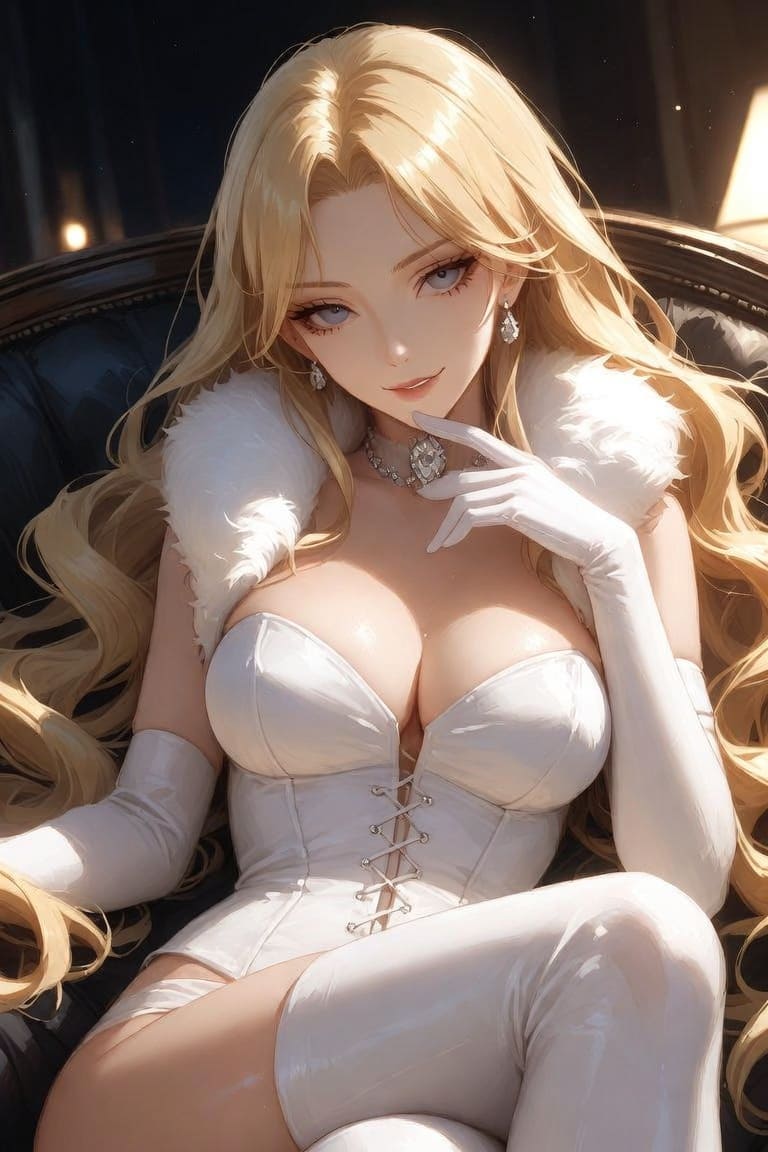
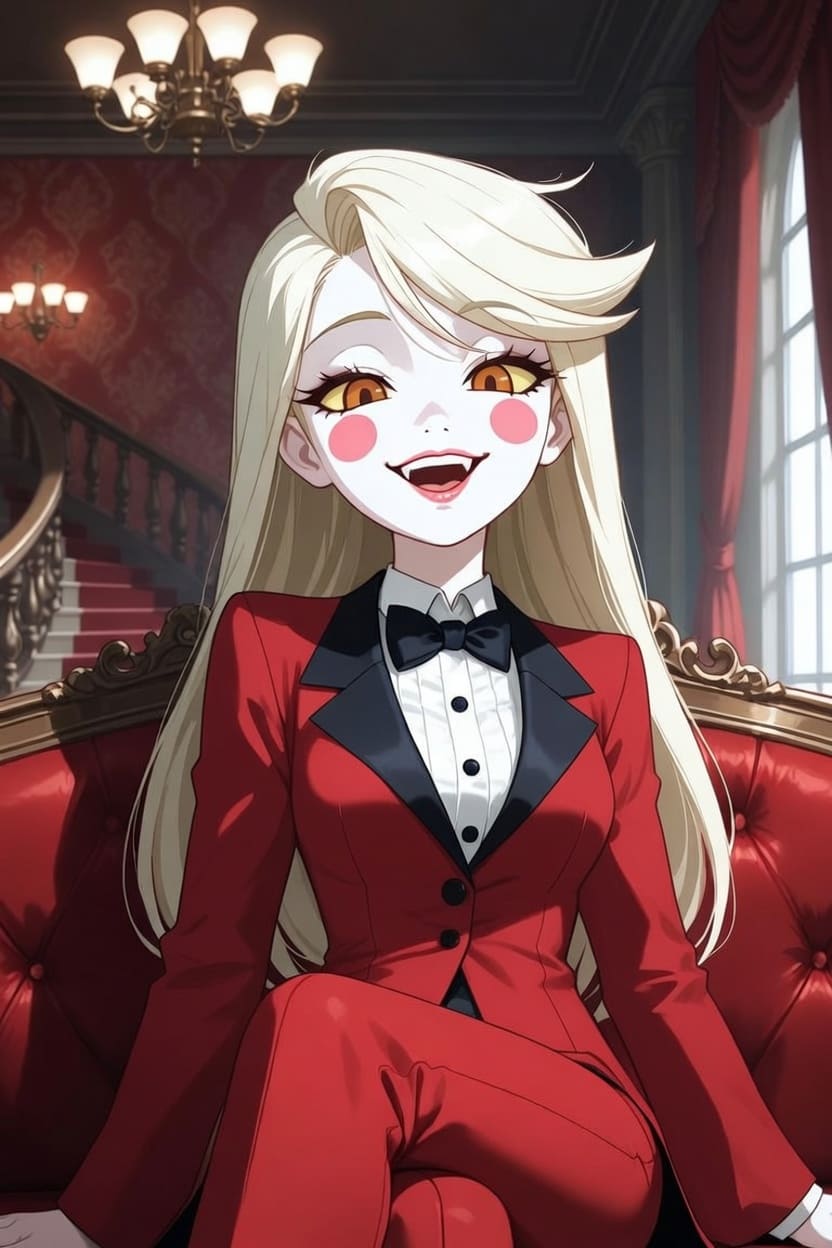
Characters to roleplay with
Anime culture and Japanese aesthetics. Chat with virtual characters in anime style, creating vivid and dynamic stories.

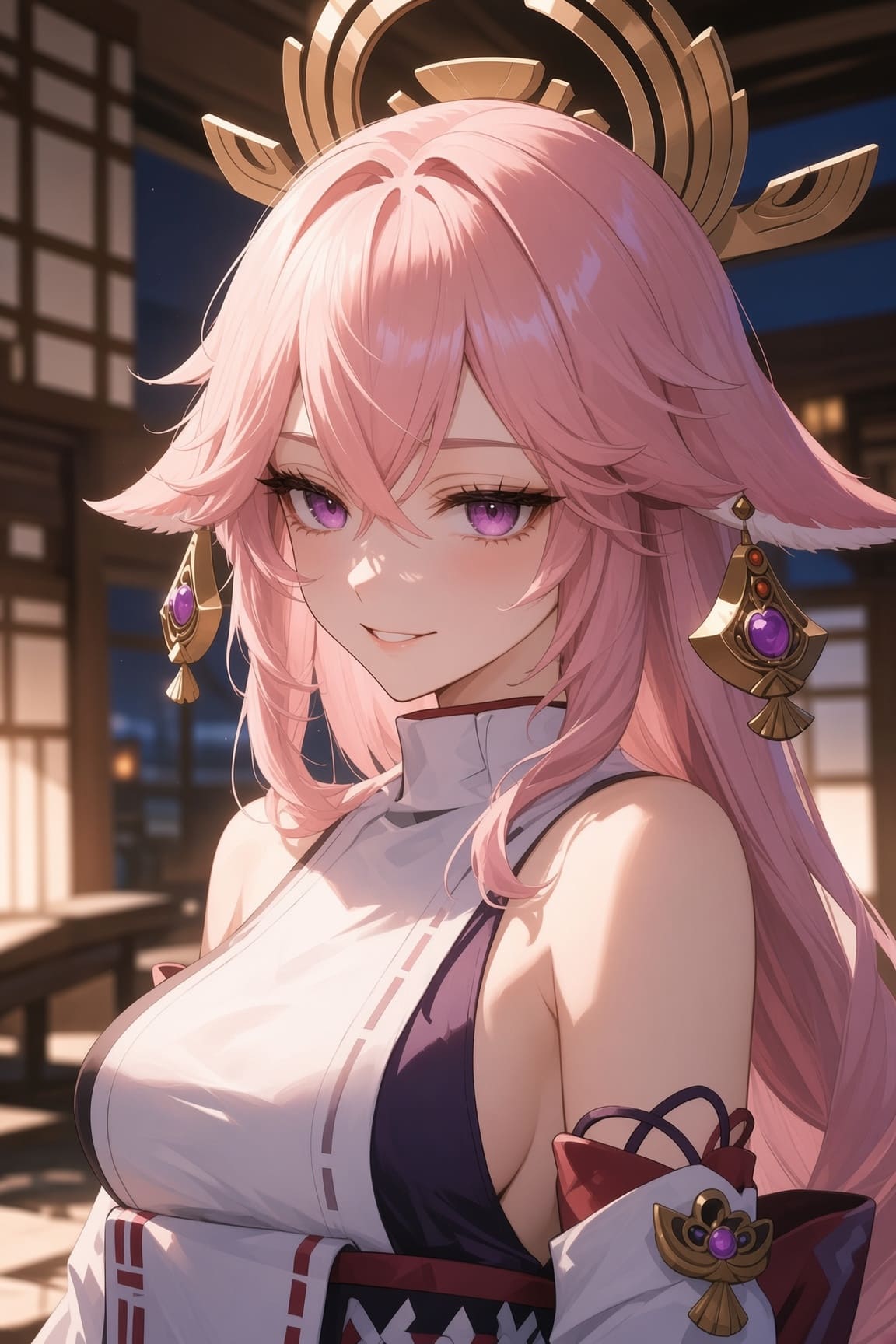

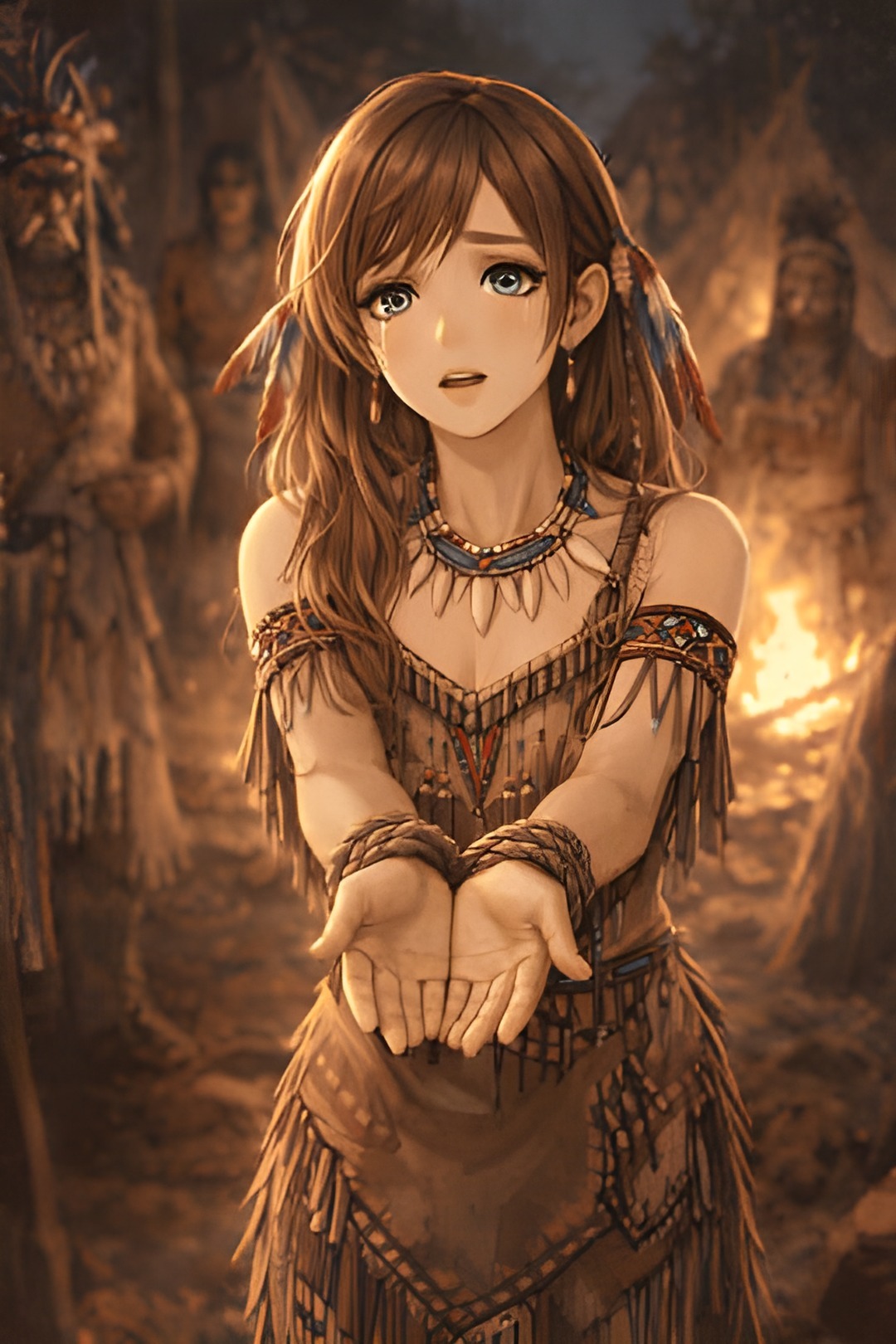
Swipe sideways
The Emotional Engine: Why People Are Into Hentai
At its core, hentai offers a form of fantasy that live-action adult content cannot reproduce. Because every element is drawn or rendered, artists can exaggerate faces, bodies, movements, and settings to express pure emotion. A blush can be impossibly vivid. An embrace can bend physics. An environment can glow with impossible colors. The stylization amplifies feeling rather than simulating flesh.
Many fans are drawn to the emotional safety and imaginative freedom of fiction. Drawn characters are not real people, so the viewer never has to worry about exploitation, boundaries, or the ethical questions that can accompany live-action adult media. This distance lets people explore desires, kinks, relationship dynamics, and scenarios they would never want in reality, often as a form of emotional release or self-discovery.
For others, hentai is simply an extension of their love for anime and manga as art forms. They appreciate the craft of illustration, animation, character design, and storytelling, and see adult content as one more genre within a medium they already enjoy. The visual language of anime, with its expressive eyes, impossible hair, and dramatic lighting, creates a unique aesthetic that live-action cannot match.
There is also a strong social and community dimension. Fans share recommendations, translate works, create their own doujinshi, and discuss character dynamics. Hentai is not just a solitary viewing experience; it is a creative ecosystem.
Common Myths About Hentai
A persistent myth is that hentai is inherently violent or non-consensual. In reality, the vast majority of the medium consists of consensual scenes between adult characters. Like any adult medium, it contains many genres, and audiences choose what fits their comfort level. Equating the entire art form with its most extreme examples is inaccurate.
Another common misconception is that all hentai features exaggerated, unrealistic bodies. While certain famous examples do, the medium is remarkably diverse. Many works feature ordinary-looking characters, realistic proportions, and grounded scenarios. The stylization that defines anime does not always mean hyper-exaggeration; it can mean subtle line work, soft coloring, and quiet emotional intimacy.
Some assume that enjoying hentai means being socially isolated or unable to form real relationships. There is no evidence for this. Fans of adult animation have partners, families, friendships, and rich social lives. The medium is one form of entertainment among many, not a substitute for human connection.
Finally, some believe hentai is a recent internet phenomenon. Its roots in Japanese erotic art stretch back centuries, and the modern form has existed for decades, evolving alongside anime and manga culture.
Exploring Hentai Safely as Fiction in AI Roleplay
AI roleplay platforms offer a unique way to engage with the imaginative world of hentai without the passive consumption of viewing. You become an active participant in a collaborative story, shaping characters, scenarios, and emotional beats with an AI partner. The emphasis stays on fiction, consent, and mutual interest between adult users and adult characters.
The appeal is creative control and deep personalization. You might play a stoic knight romancing an elven healer in a fantasy kingdom, a tired office worker whose quiet colleague has a bold secret life, or a vigilante in a neon-drenched cyberpunk city. You decide the level of explicitness, the pacing, and the emotional tone. You can pause, rewrite, or end any scene at any time.
Because the characters are fictional, the exploration stays within the world of imagination. This is a space for exploring tropes, aesthetics, and fantasies that interest you, without any real-world consequences or obligations. AI roleplay is a natural extension of the creative, community-driven spirit that has always powered hentai and anime fandom.
Starting is as simple as describing a character and a scene. The AI partner responds with descriptions, dialogue, and action, and the story grows through your back-and-forth. Many platforms allow you to define the genre, the relationship dynamics, and the boundaries before beginning, ensuring the experience matches your interests.
Practical Examples and Opening Lines for AI Roleplay
The best hentai-style roleplay starts with a clear setting and an interesting tension. A specific opening line gives the AI partner something vivid to respond to. The following examples demonstrate how you might begin a scene, each flavored by a different genre.
In a fantasy romance, you might open with: “The dragon-slaying festival bonfire roars at the edge of the village, and Lady Elowen, the quiet healer you sparred with this morning, sits alone with two cups of spiced wine.” This establishes a world, a relationship hint, and an invitation for warmth.
A sci-fi scenario could begin: “Your maintenance shift in the lower decks ends at 0300, and when the service corridor lights flicker, you see the new navigation officer waiting by your locker, holding a data-tablet with a nervous smile.” The setting is concrete, the tension subtle.
For a contemporary slice-of-life tone: “After six months of silent lunch breaks in the same office courtyard, your coworker finally sits on the bench beside you, closer than necessary, and says, ‘I drew you in my sketchbook. Do you want to see?'” This creates intimacy and playful vulnerability.
A supernatural noir could open: “The rain-slicked rooftop of the abandoned shrine pulses with violet light as the fox-spirit you challenged to a duel lowers her fan and says, ‘You came alone. Bold.'” The stakes feel high, the mood dramatic.
Bring Your Hentai Fantasy to Life in AI Roleplay
RPDATE lets you step inside the stories that hentai art only hints at. Chat with anime characters, build your own scenarios, and direct the emotional and explicit beats yourself.
Whether you want a tender romantic scene, a wild supernatural adventure, or something playful and comedic, the right AI partner is ready to respond to your imagination.
- Create custom anime characters with detailed personalities and desires
- Explore any genre: romance, fantasy, sci-fi, supernatural noir
- Control pacing, explicitness, and emotional tone at every step
- Pause, rewrite, or redirect scenes instantly
Ready to Write Your Own Hentai-Style Story?
Chat with anime characters and direct every scene yourself. Build custom characters, set the mood, and explore your favorite genres in a private fiction space.
Chat with Anime CharactersFAQ
What is hentai?
Hentai is the international term for explicit adult anime, manga, and digital art. It features stylized Japanese-style drawings and animations depicting sexual content, ranging from consensual romantic scenes to elaborate fantasy or sci-fi adventures. The word comes from a Japanese term meaning “pervert” or “transformation,” and now serves as an umbrella label for adult illustrated and animated works in the anime visual tradition.
What does hentai mean in Japanese?
In Japanese, hentai (変態) literally means “transformation” or “metamorphosis.” Colloquially, it is used to mean “pervert” or “abnormal,” often as shorthand for hentai seiyoku, “perverted sexual desire.” In Western usage, the word evolved from this insult-like label into a neutral category term for explicit adult anime and manga.
What is the difference between hentai and ecchi?
Ecchi is suggestive and teasing, using partial nudity, innuendo, and strategic camera angles to build sexual tension without showing explicit acts. Hentai shows full sexual content graphically. Ecchi tends toward comedy and embarrassment, while hentai can be romantic, dramatic, dark, or purely erotic. Many works blur the line, moving from ecchi-style teasing into explicit hentai territory.
What are common hentai genres?
Common genres include vanilla romance, fantasy and supernatural settings with elves or demons, sci-fi and cyberpunk stories, comedy and parody, dramatic or psychological narratives, and visually artistic works that emphasize style. Each genre has its own emotional tone and visual conventions, letting audiences choose between tender relationship focus, wild adventure, or playful humor.
Is hentai always non-consensual or violent?
No. The vast majority of hentai portrays consensual encounters between adult fictional characters. While the medium includes many genres and some dark material exists, as in any adult medium, most works focus on mutual desire, romance, and imaginative scenarios. Audiences choose what fits their comfort level, and consensual, affectionate stories are among the most popular.
Why do people enjoy hentai?
People enjoy hentai because it offers stylized fantasy that live-action adult content cannot: impossible beauty, exaggerated emotion, and imaginative settings. The fictional nature provides emotional distance and creative freedom, allowing exploration of desires without real-world consequences. Many fans also love anime and manga as art forms and appreciate the craft of adult illustration and storytelling.
What to read next

About The Author & Editorial Standards

RPDATE Editorial Team
Editorial pageEditorial Team
The RPDATE editorial team prepares practical guides on roleplay dialogue design, character dynamics, and scene structure. We focus on tested recommendations and clear product context.
This article is prepared by the RPDATE editorial team based on direct product usage, scenario testing, and platform-level comparison. We update guides when UX, pricing, filtering, or access conditions change.
What was tested:
- Real chat sessions with multiple character types and tags
- Conversation consistency, memory behavior, and prompt adherence
- Onboarding friction: signup, paywalls, platform constraints
Editorial policy
We separate observations from opinion, mark limitations explicitly, and avoid sponsor-driven ranking claims. If a section is outdated, we revise it after verification.
Verification & transparency
Recommended next reads
Gift from RPDATE - Balance Promo Code
Public promo code for blog readers: activate in your profile and get +5 balance bonus.
no activation limits