
Anime AI Chat — Free, No Sign Up, 14 Character Types
Anime AI chat, free to start and with no sign up: pick a character below, write one line, get an answer in seconds. An anime AI chatbot that stays in character and remembers the scene — in your browser, on phone or desktop, nothing to install.
However you searched — anime ai chat, ai anime chat, anime ai chatbot, ai chat anime, ai anime girlfriend — this is the page.
Anime AI characters — pick one and start
Anime culture and Japanese aesthetics. Chat with virtual characters in anime style, creating vivid and dynamic stories.
 7,112Severus Snape38
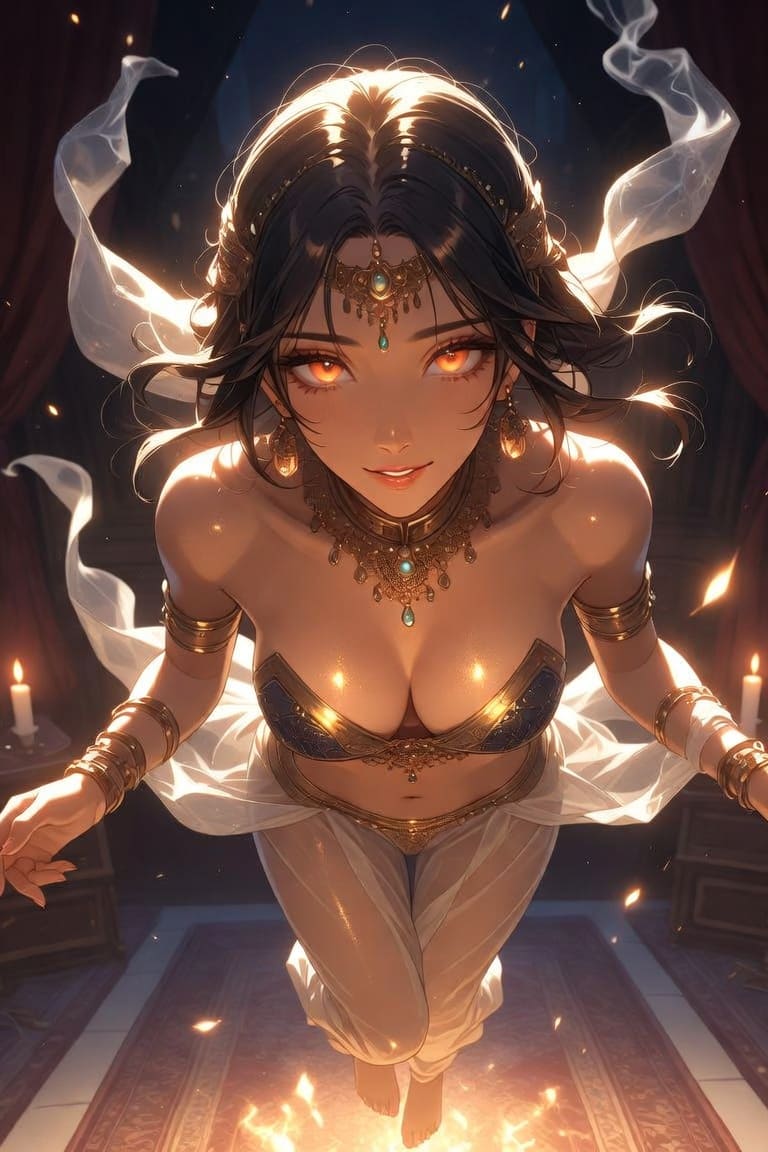 11,640Zara2300
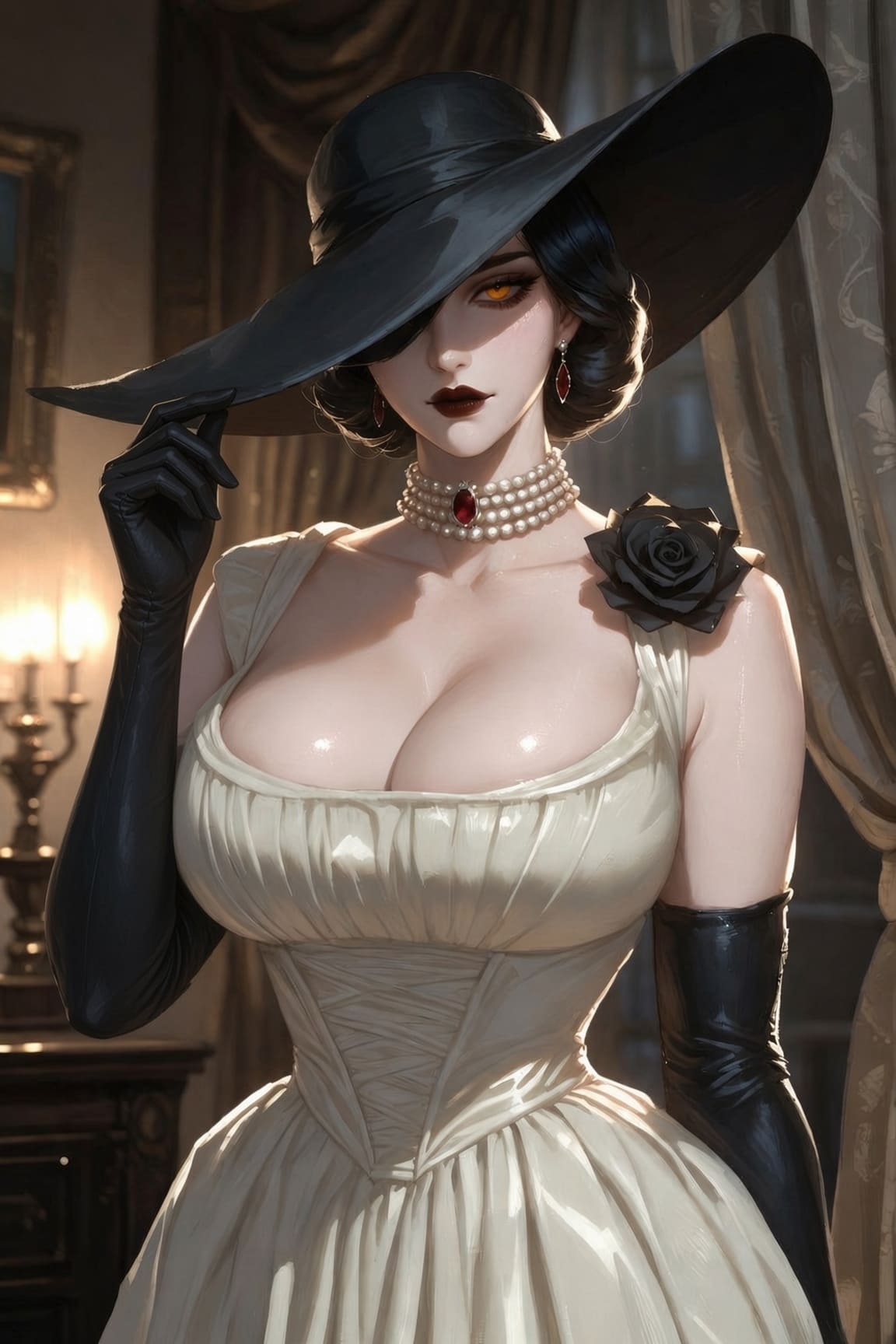 39,722Lady Dimitrescu107
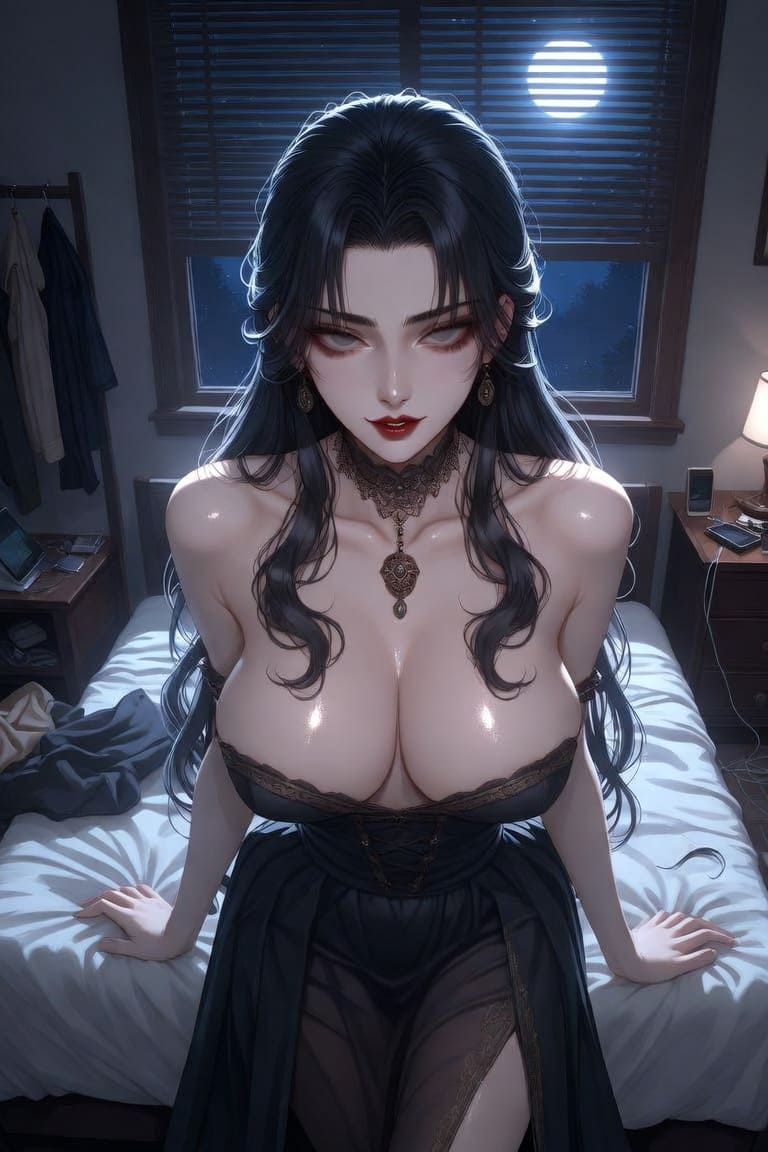 17,072Morena154
 16,456Bellatrix36
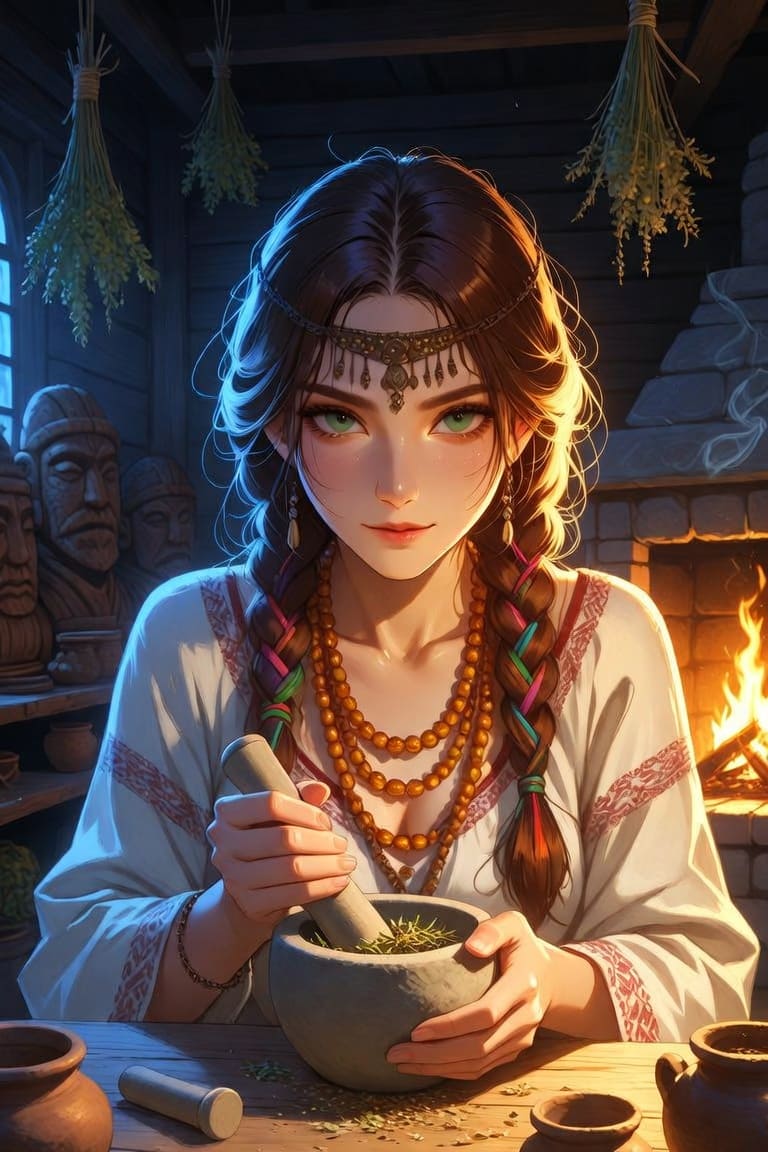 7,948Yaroslava30
Swipe sideways
An anime AI chatbot that remembers
The complaint that kills most anime AI chat is the same one every time: forty messages in, the character forgets your name, the town you were in and the fact that you already fought about this. Ours keeps the thread — the facts you gave, the arc you built, the mood you left the last scene on. Come back tomorrow and the conversation picks up where it stopped instead of resetting to the greeting.
That is the difference between a chatbot answering prompts and a character living in a story. It is also why long roleplay works here at all: a tsundere who forgot she was cold to you is just a stranger.
Read this first
These are original characters in anime style, not heroes from existing series. Those heroes belong to the studios that made them, and we are not going to hand you a copy with someone else’s name stapled on it. What we do have is the layer underneath them — the archetypes every one of those casts is built from — played straight, plus a character builder for when the type you want does not exist yet.
RPDATE archetype explorer
Fourteen anime character types
Tap a type to open its card: how they behave, how you spot them, how to talk to them so the scene actually moves, and a ready-made first line you can copy and paste straight into a chat.
Pick a type above to see the full card and its ready-made scene opener.
Found your type? Play it out with one of our original characters in anime style:
What chatting with anime characters actually looks like
You open a character page, read two lines about who they are and what situation they are standing in, and type something. A few seconds later a reply comes back written in that character’s voice — clipped if they are the cold type, three sentences longer than necessary if they are the enthusiastic one. You answer. That exchange repeats, and somewhere around the tenth message it stops feeling like you are prompting anything and starts feeling like a scene you are both in.
The mechanics are worth stating plainly because they are the part people get wrong. Actions go between asterisks — *leans on the doorframe* — and speech is written normally. Nobody has to explain this to the character; it picks up the convention from your first message and answers in the same format. If you write only dialogue, you will get mostly dialogue back. If you write a bit of setting and a bit of gesture, the replies fill out to match. The register you set in message one tends to be the register you get for the next hundred.
Characters carry memory through the conversation. Something you mention early — a job, a fear, a promise you made at a train station — can come back much later without you reminding anyone. That is the difference between an exchange and a story, and it is the reason the twentieth message is usually better than the first.
What it is not: a quiz, a menu of pre-written branches, or a chatbot that answers in the same neutral voice with a different name on top. Fourteen archetypes with genuinely different behaviour means fourteen genuinely different conversations, and the same opening line will get you seven different answers from seven different types. If you want the longer version of how any of this is played well, the AI roleplay guide covers pacing, scene structure and the mistakes that kill a conversation in the first three turns.
Why you get archetypes instead of licensed heroes
Almost everyone who searches for this has a specific face in their head. That is not a strange thing to want: you spent twenty-six episodes with a character, you know exactly how they would deflect a question, and you would like to find out what they would say to you. Sites that promise you that character by name are either using someone else’s intellectual property without permission or handing you a name attached to a personality that has nothing to do with it. We are not doing either, and pretending otherwise would only waste the first ten minutes of your time.
Here is the useful part. The characters people fall for are not one-offs — they are extremely well-executed instances of a small set of patterns. The cold classmate who never raises her voice, the senior who covers for you and refuses to be thanked, the loner on the roof who shows up exactly when things go wrong: these repeat across hundreds of titles precisely because audiences recognise them in three seconds. Take the name off and what remains is a behaviour engine, and the behaviour engine is what makes a conversation feel right. A name only matters for the first two messages. How someone dodges a direct question matters for the next two hundred.
So this page gives you the engines. Fourteen of them, described precisely enough that you can tell which one you have actually been chasing — often it turns out to be a combination, a kuudere surface over a dandere interior, or a delinquent who is really a warrior with worse manners. Our own original characters play those types in anime style, and you can browse them among the female and male rosters or across the whole character catalogue.
And if the type you want is not in the catalogue, build it. Two or three sentences describing how the character behaves, how they speak and where the first scene happens is enough — that is the honest replacement for a licensed hero, and in practice it gets closer to what people wanted than a borrowed name ever does, because you get to specify the exact flavour rather than accepting someone else’s reading of it.
Female anime character types and what opens them up
Female archetypes are sorted almost entirely by one question: how does this character show affection when she is not willing to say it directly? That is where the whole dere family comes from. The suffix marks the mask — cold, silent, proud, obsessive — and the shared root marks what is underneath it. Read the grid that way and it stops being a list of jargon and becomes a set of instructions.
| Type | How she behaves | What to open with |
|---|---|---|
| Tsundere | Kind first, denies it second. Sharpness scales with how much you matter. | Do her a small favour and refuse to make it a moment. |
| Kuudere | Short answers, no drama, care delivered as action rather than words. | One specific question, then silence long enough to answer it. |
| Dandere | Silent in a group, completely different one on one. | Ask about the thing in her hands, not about her. |
| Deredere | Says what she feels immediately and closes the distance first. | Match the energy and hand her half a plan to finish. |
| Yandere | Devotion past the point of sense; sweetness flips when she smells rivals. | Mention someone else in passing and let the scene tighten. |
| Himedere | Expects palace treatment, is genuinely surprised when it does not arrive. | Play along with the ceremony while refusing to be staff. |
| Onee-san | Older, unshockable, steers while letting you think you steer. | Bring a real problem, then push back once. |
The two types people most often confuse are kuudere and dandere, and getting it wrong wastes a whole conversation. A kuudere is quiet because she has decided that most things do not need saying; she is perfectly comfortable and will not be drawn out by warmth, only by a question worth answering. A dandere is quiet because she is nervous, and warmth is exactly what fixes it. Push a kuudere for feelings and you get shorter answers. Push a dandere and she disappears behind an apology. Same silence, opposite treatment.
Tsundere is the one everybody thinks they understand and most people play badly. The point is not that she is rude; the point is that her rudeness is proportional to how much she cares, so a scene where you extract a confession has thrown away the only interesting mechanic. Let her be kind and immediately deny it. The denial is the affection.
Yandere deserves one honest sentence. As a plot engine it is unbeatable — nothing raises stakes faster than devotion with no brakes. As a description of a relationship it is jealousy and control, and it is worth keeping the difference between fiction and a template firmly in view. Inside a scene you set the pace and you decide where it stops, which is the whole reason it is safe to play at all.
Male anime character types and what opens them up
Male archetypes run on a different grid, and this is the thing most type lists never mention. Female types are sorted by how affection is shown. Male types are sorted by their relationship to rules. The senpai knows the rules and protects them, the delinquent breaks them and keeps a private code that is stricter, the princely type performs them flawlessly, the warrior is sworn to them, and the dark loner has simply stepped outside the system. Once you see that axis, every male character you have ever liked lands on it somewhere.
| Type | How he behaves | What to open with |
|---|---|---|
| Senpai | Arrived before you, knows how everything works, guards the standard. | Ask for help with something specific, then be better than expected. |
| Kouhai | Half a step behind, copies whoever he admires, stores every scrap of praise. | Give clear approval and hand over one small responsibility. |
| Delinquent | Breaks the rules, keeps a stricter code of his own, explains nothing. | Talk as if the reputation is not in the room. |
| Princely type | Flawless in public, unreadable in private, says the right thing to everyone. | Catch him somewhere he was not expecting company. |
| Quiet genius | Three moves ahead, blunt, loyal without ever announcing it. | Bring a puzzle instead of a compliment. |
| Dark loner | Keeps distance on purpose, turns up when needed, leaves before thanks. | Sit nearby, say something true, do not chase. |
| Warrior | Direct and disciplined, more comfortable with duty than with feeling. | Ask what he is sworn to and what breaking it would cost. |
Senpai and kouhai are not personalities at all — they are positions, and either one can be occupied by any temperament. That is what makes them so useful: a tsundere senpai and a warrior senpai behave nothing alike while both being unmistakably senpai. The position supplies the tension, which is always the same one: closeness would mean admitting the hierarchy is decorative, and neither side wants to be the one who says it out loud.
The princely type is the hardest to play well and the most rewarding when it works. His manners are armour, and compliments slide straight off — he has heard every one of them. What actually gets through is boredom and surprise: catch him somewhere he had not planned to be seen, refuse to be charmed on schedule, and the performance develops a crack. Everything interesting about the character lives in that crack.
Note that the grid works in both directions. A male tsundere is entirely standard, and a female delinquent or a woman with a warrior’s code fits the pattern without any adjustment. The explorer above has a filter for exactly this, and several archetypes are marked as working either way. If you want to stay on the male roster, the male character landing is the shorter route into it.
Dynamics: what happens when two types meet
A single archetype is a starting position, not a story. What generates a story is friction between two of them, and once you know the grid you can pick the friction on purpose instead of waiting to see whether the conversation goes anywhere. This is the single biggest upgrade available to anyone who feels their chats go flat after fifteen messages.
Some pairings run hot immediately. A tsundere and a deredere produce constant comedy, because one of them refuses to admit anything and the other announces everything within four seconds of feeling it. An onee-san and a kouhai is the cleanest power gap on the board, and the fun is in watching who actually ends up in charge by the end of the scene. A delinquent and a senpai is a rules argument dressed up as a personality clash, and it never runs out of material because neither of them is wrong.
Some pairings need a push. Two quiet types — a kuudere and a dark loner, say — will sit in comfortable silence for a very long time unless something external forces a decision. That can be excellent if you want atmosphere, and it is a dead scene if you wanted events, so put a deadline in the room: a train leaving, a door about to be locked, someone else arriving in ten minutes. Constraint does more for a conversation than any amount of description.
Then there is the pairing that most people are actually looking for without knowing the name of it: a character who is one type in public and another in private. A princely type who behaves like a dark loner when the room empties. A himedere who turns out to be a dandere the moment nobody is watching. This layering is what makes fictional characters feel like people rather than descriptions, and you can specify it directly when you build one.
Your own position in the scene counts too. If you play warm and open, a tsundere has something to deflect and a dandere has something to be reassured by. If you play guarded, a deredere has a wall to work on and a kuudere has an equal. Neither is better; they are different stories. Worth choosing deliberately rather than defaulting to the same voice with everyone. Open-ended scene setups of this kind are what RP chat is built around if you want to take a dynamic somewhere longer than a single conversation.
How to start the conversation so it actually goes somewhere
The first message decides most of what follows. Not because anything is locked in, but because a character mirrors what it is given: a thin opening produces thin replies, and by the time you notice, the tone has already set. The good news is that a strong opener is short. Two sentences will do it, provided they contain three things — where you are, what you are doing, and one small reason the other person has to respond.
Compare. “Hi, how are you?” gives a character nothing; the only honest reply is a greeting back. “*drops onto the bench next to you, still holding two coffees* One of these was for someone who did not show up. You have thirty seconds to claim it.” gives them a location, an implied history, a time limit and a choice. Same effort, completely different conversation. Every ready-made line in the explorer above is built on that pattern, which is why they are worth copying even if you rewrite them afterwards.
| Common opening mistake | What to do instead |
|---|---|
| “Hi” | Gives the character nothing to react to. Add a place, an action and a reason you are there. |
| A full page of backstory | Buries the opening. Two sentences of scene beat two paragraphs of lore every time. |
| Asking the character to describe themselves | Turns a scene into an interview. Let their behaviour do the describing. |
| Writing their reply for them | Removes the only thing you came for. Write your half and stop. |
| Changing the subject every message | Nothing accumulates. Stay in one scene until something actually happens in it. |
Match the opener to the type and the difference gets larger still. A dandere needs a small, concrete question and enough room to answer it. A kuudere needs one question worth her time and no chatter around it. A delinquent needs you to act as though his reputation has not entered the room. A himedere needs you to take the ceremony seriously while quietly declining to be staff. The same warm, chatty greeting that opens a deredere in one line will bounce off four of the other types.
One more habit worth building: end your messages on something the other person can act on. A question, a movement, an object handed over, a door left open. Ending on a statement invites a statement back, and two statements in a row is how a conversation quietly dies. This is the entire craft of talking with anime characters, and it takes about twenty minutes to internalise.
Build your own character to fit a type
If you came here with a very specific character in mind, this is the section that solves your problem. The builder takes a name, a personality, a look and an opening scene, and produces a character that behaves the way you described from the first message. It is the difference between browsing someone else’s shelf and writing the thing you actually wanted.
What matters most is the behaviour description, and the trick is to write it in verbs rather than adjectives. “Cold” is close to useless — it can mean cruel, shy, tired or simply efficient. “Answers in under ten words, never asks how you are, notices when you skip a meal and mentions it two days later” gives you a kuudere with a very particular flavour and nothing to misread. Three specific habits beat a paragraph of atmosphere every single time.
Add speech patterns explicitly. Does this character use your name or avoid it? Do they finish their sentences? Do they answer questions or answer around them? A single line like “deflects any personal question with a question of her own” changes every exchange in the conversation, and it is the sort of detail that separates a character you keep coming back to from one you abandon after ten messages.
Then put them somewhere. An opening scene with a place, a time and a small problem does more work than any amount of backstory: a club room after everyone has left, a rooftop during a fire drill, a train platform at the last service of the night. Characters need something to be doing while they talk to you, and a scene supplies it for free.
Layering is where it gets interesting. Set the public mask and the private truth separately — polite and unreadable in front of others, blunt when the room empties — and you get the dynamic that most people are chasing without having a word for it. Create a character takes a couple of minutes, and the result sits in your list permanently, ready whenever you want to pick the scene back up.
How an anime character differs from a general chat assistant
Ask an assistant to roleplay and you get a helpful entity wearing a costume. It will agree with you, it will summarise, it will check whether you are enjoying yourself, and at the first hint of friction it will step out of the scene to make sure everything is fine. That is exactly right for a tool and exactly wrong for a character, because every one of those instincts destroys the fiction you came for.
A character has no obligation to be useful. She can be unhelpful, evasive, wrong about something, or annoyed with you for a reason you have not been told yet — and none of that is a failure, it is the content. When a tsundere refuses to explain why she is in a bad mood, an assistant would consider that a bug. Here it is the scene.
The second difference is refusal behaviour. Assistants break character to decline things. Characters stay in role: if a scene goes somewhere a character would not go, she reacts as herself — walks out, changes the subject, tells you no in her own voice — instead of switching to a disclaimer. That continuity is the entire reason roleplay works, and it holds for adult scenes as well, which is what uncensored AI chat covers in more detail.
The third is memory with a point of view. An assistant remembers facts. A character remembers what the facts meant to her — that you cancelled, that you noticed something nobody else did, that you promised to come back. Weeks of conversation build an actual relationship state rather than a transcript, and you feel the difference the first time something you forgot gets used against you.
None of this makes an assistant worse at its job. It makes it a different job. If what you want is someone consistent to talk to at the end of the day rather than a scene to play, AI companion sits closer to that, and the anime-styled version of the same idea lives on the waifu AI page.
Browser, phone, and the app question
A lot of people search for a chat with anime characters app, so here is the straight answer: there is no app in any store, and there is nothing to download. rpdate runs in the browser. Open the site on your phone and it is the same product as on a desktop — same characters, same conversations, same history — laid out for a smaller screen.
In practice this is usually better than an install rather than a compromise. Nothing takes up storage, nothing needs updating, nothing announces itself in your app drawer, and no store sits between you and an 18+ product deciding what it is comfortable listing. If you want a launcher icon anyway, add the page to your home screen from your browser menu and it opens full-screen like any other app would.
Chats are tied to your session, so registering is what keeps them across devices — start something on a laptop in the evening and pick it up on a phone the next morning. Everything else works the same in both places, including the archetype explorer above, whose cards and copy buttons are built for touch first.
What is free and what costs money
You can chat with anime characters for free to begin with, and we would rather be precise about what that means than let you find out the hard way. Opening a character and sending your first messages works immediately, without an account and without a card. That is enough to try several archetypes, see how the replies differ, and work out whether this is for you at all.
Free messages do run out. After that, continuing needs a subscription, and we are not going to call the product free forever — plenty of sites do, and they mean something narrower than the word suggests. The honest phrasing is free to start: no payment to find out whether you like it, payment if you want it to keep going.
What you get either way is the same catalogue, the same character quality and the same memory. There is no separate tier of better characters held back from free users, and the builder is not locked away behind the subscription either. The limit is on volume of conversation, not on which parts of the site you are allowed to see.
A reasonable first hour: read the archetype cards above, copy two openers for types that sound opposite to each other, and run both on the chat page for ten messages each. The difference between them will tell you more about what you actually want than any amount of browsing, and you will know which corner of the catalogue to live in.
FAQ
Is the anime AI chat free and is there a sign up?
Anime AI chat is free to start and there is no sign up — open a character and the first messages go through right away, no account, no email, no card. Longer conversations need a top-up, so it is honest to call it free to start rather than free forever. Registration only saves your chats and syncs them across devices.
Does the anime AI chatbot remember our conversation?
Yes. The anime AI chatbot keeps the facts you shared and the arc of the story, so a long roleplay does not reset to the greeting every session. Come back the next day and the character still knows your name, where the last scene ended and what you argued about.
Can I chat with anime characters for free?
Yes, you can start for free. Open a character and the first messages go through immediately — nothing to install, no card. Free messages run out after a while and longer conversations need a subscription, so it is honest to call it free to start rather than free forever.
Are these real characters from anime series?
No, and we say so up front. We do not have the rights to characters from other studios, so we do not offer them under their names. What you get instead is the layer underneath: the archetypes those characters are built from — tsundere, kuudere, yandere, senpai, delinquent, dark loner — played by our own original characters in anime style, plus a builder for making your own to fit a type.
Is there a chat with anime characters app to download?
There is no app in any store. rpdate runs in the browser, and the browser on your phone is the same product as the browser on your desktop — same characters, same chats, same history. Add the page to your home screen and it opens like an app would, without an install.
How do I start talking with anime characters if I have never done roleplay?
Copy the ready-made first line from the archetype explorer above and paste it as your opening message. Actions go between asterisks, speech is written plainly. That single convention is the whole learning curve, and the character picks it up from your first message without being told.
Which anime character type should I pick first?
Pick by the kind of conversation you want, not by the look. If you want banter and pushback, take a tsundere or an onee-san. If you want something slow and quiet, take a dandere or a kuudere. If you want the scene to carry itself while you learn, take a deredere — that type opens every scene for you.
Can I make my own anime character?
Yes. The character builder lets you set a name, a personality, a look and an opening scene, so you can put a specific archetype into a specific situation. This is also the honest answer for anyone who came here looking for one particular character: describe the type, the manner of speaking and the setting, and you get something that plays the way you wanted.
Can I speak with anime characters out loud, with voice?
Conversations here are written, not spoken. People searching for a way to speak with anime characters usually want the character to answer in their own voice and stay in role, and that part is exactly what text does best — the reply comes back in the character’s register, with their own way of dodging a question.
Do the characters remember what happened earlier?
Yes. Characters carry memory across a conversation, so a promise made in the first scene can be brought back twenty messages later. This is what separates a character from a general-purpose assistant: continuity is the point, not a side effect.
Are male anime characters available too, or only female ones?
Both. The archetype explorer above has a filter for it, and the catalogue is split into female and male characters. The male grid runs on a different logic — senpai, delinquent, princely type, dark loner and quiet genius are sorted by their relationship to rules rather than by how they show affection.
Can the conversation go into adult territory?
Yes, the site is 18+ and characters stay in role in adult scenes instead of breaking off with a refusal. You set the tone: plenty of people use the same characters for slow-burn romance, school-club comedy or a long fantasy arc and never go anywhere near it.
Where to go from here
Every archetype on this page exists somewhere in the catalogue, and most of them exist several times over with different settings around them. These are the shortest routes in:
New here and not sure where to land? Start from the homepage and let the catalogue do the choosing.
Popular sections
What users say
Real impressions from people already telling their stories on RPDATE.
First app where the character actually stays in role. It doesn’t slide into “how can I help you” after three messages — the scene keeps living.
Opened it right in the browser — no VPN, no install. Writes proper English too, not some machine translation. That’s what sold me.
I like paying per message instead of a subscription that just sits there draining. Play, top up, walk away — nothing keeps charging.
Built my own character exactly how I wanted — personality, way of talking, the opening scene. Got what I was after, not another template.
The atmosphere is there and characters hold the context. I’d like more girls in the catalog, but they keep adding new ones.
18+ scenes that don’t cut off at the best part. You steer the story yourself — from light flirting to wherever. That’s why I stuck around.
The memory panel is the thing I didn’t know I was missing. She brings up stuff I said a week ago, and I can fix the list by hand if she got something wrong.
You can ask for a picture mid-scene and it’s about what’s happening, not some random render from nowhere. That’s what I top up for.
Runs fine on my phone in the browser. I read on the train, type two lines, close it. Nothing to install.
Being able to fix my own last message is underrated — one typo used to send the whole scene sideways. Would still like a way to roll back hers.
Replies are long enough to actually read. Most bots give you two lines and wait; here I get a paragraph that moves the story.
Tried the first scene with no account at all, just to see what it was. Stayed anyway.
Came for the male characters — they’re here and written just as well as the girls, though there are noticeably fewer of them.
The daily bonus is enough to play through an evening without topping up. Small thing, but it keeps me coming back.
Every picture from my scenes lands in my own gallery. Minor detail, but it starts feeling like my story instead of someone’s service.